GAZA, (Palestine Foundation Information Center), The Gaza Center for Human Rights said on Monday that grave Israeli violations have continued throughout the first 100 days of the ceasefire in the Gaza Strip, demonstrating the persistence of genocide, albeit through different tools and with lower-intensity methods.
In a statement, the center said that based on daily field monitoring, the ceasefire agreement has failed to provide protection for civilians. Instead, it has become a largely symbolic framework under which killing, targeting, starvation, and the denial of basic means of life against Palestinian civilians have continued.
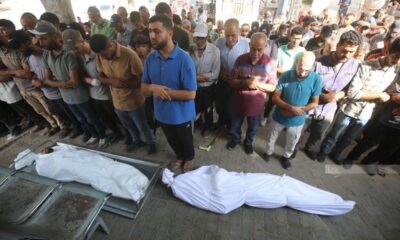
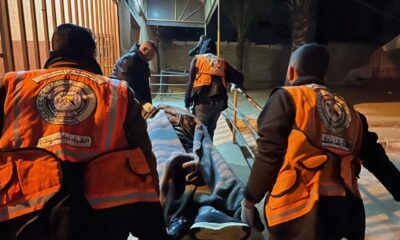
According to the center, during 99 days of the ceasefire, Israel killed 479 Palestinians and wounded 1,280 others, an average of nearly five fatalities and 13 injuries per day.
It noted that 91.9 percent of those killed were civilians, while children, women, and the elderly accounted for 51.6 percent of the total death toll. Among the injured, civilians made up 99.2 percent, all of whom were wounded inside areas that were supposed to be protected under the ceasefire terms.
Pattern of repeated killings
The rights group stressed that these shocking figures do not reflect isolated incidents, but rather a repeated pattern of killing that targets the most vulnerable groups, underscoring the absence of any intention to respect international humanitarian law.
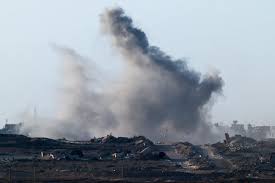
It documented 1,285 field violations over the 99-day period, an average of 13 violations per day, ranging from air and artillery strikes to live fire, military incursions, home demolitions, and arrests.
The center emphasized that not a single day passed without violations, warning that this reality undermines the very essence of the ceasefire and turns it into a tool for managing aggression and genocide rather than ending them.
Aid restrictions and starvation
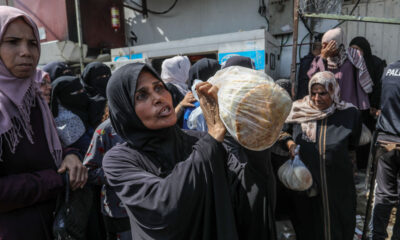
The Gaza Center for Human Rights also said Israel failed to comply with provisions on humanitarian aid. On average, only 260 aid trucks entered Gaza daily, representing just 43.3 percent of the agreed-upon number. Fuel deliveries did not exceed 12.9 percent of the stipulated needs.
This severe shortfall, the center said, has directly affected the daily lives of more than two million Palestinians, leading to the disruption of health services, reduced access to water, and the expansion of hunger, outcomes of a systematic Israeli policy that uses aid as a tool of pressure and collective punishment.
The organization stressed that these actions go beyond ceasefire violations and collectively constitute the continuation of genocide, describing them as part of a broader strategy aimed at exhausting Palestinian society and pushing it toward gradual collapse.
It said the violations, in addition to being blatant breaches of the ceasefire agreement, also represent serious violations of the Geneva Conventions, amount to war crimes, and form part of the ongoing genocide against Gaza’s population.
The center concluded by warning that international silence and continued impunity directly enable Israel to carry out and repeat such crimes. It urged the international community to take immediate and effective action to ensure a genuine ceasefire, unconditional protection for civilians, unrestricted entry of aid, and accountability for Israeli officials and their partners responsible for the crimes committed.