Editor: Dr. Saber Abu Maryam
Secretary General Palestine Foundation Pakistan
(Palestine Foundation Information Center), The US and Israel have committed a historic mistake by attacking Iran, after which the threats to the economy and security of the entire world from American actions have become unjustified. For Iran, this war was an existential war long before its start. While for the opposing sides, the US and Israel and their allies, it was clearly a war of choice. A month after the war, Iran has clearly escaped the attack on it, but the existence of the usurper Israeli state, its status as a regional superpower, the global hegemony of the US, and the future of the petrodollar are all in grave doubt and uncertainty. Iran’s defense strategy in particular has thwarted all the calculations of the US and Israel. If there is any intellectual attraction in the idea of war, it is the uncertainty associated with it. You know how a war begins, but you never know how it will end. America and Israel had their own goals, but they clearly failed to achieve any of them. On the contrary, Iran now looks stronger, more united and more determined than ever. Despite this, there is hardly a state that is hated as much as Israel. And there are hardly any world leaders who are disliked as much as the American leadership and its allies. What is most important in this whole situation is Iran’s defense strategy because Iran is fighting for its survival and protection of its existence.
The current tense situation in the region has once again plunged global politics and economics into uncertainty. Due to the ongoing war environment in the region, the risk of closing two important sea routes, namely the Strait of Hormuz, is now increasing. If these two global sea routes are closed simultaneously, its effects will be felt not only on the region but also on the economy of the entire world.
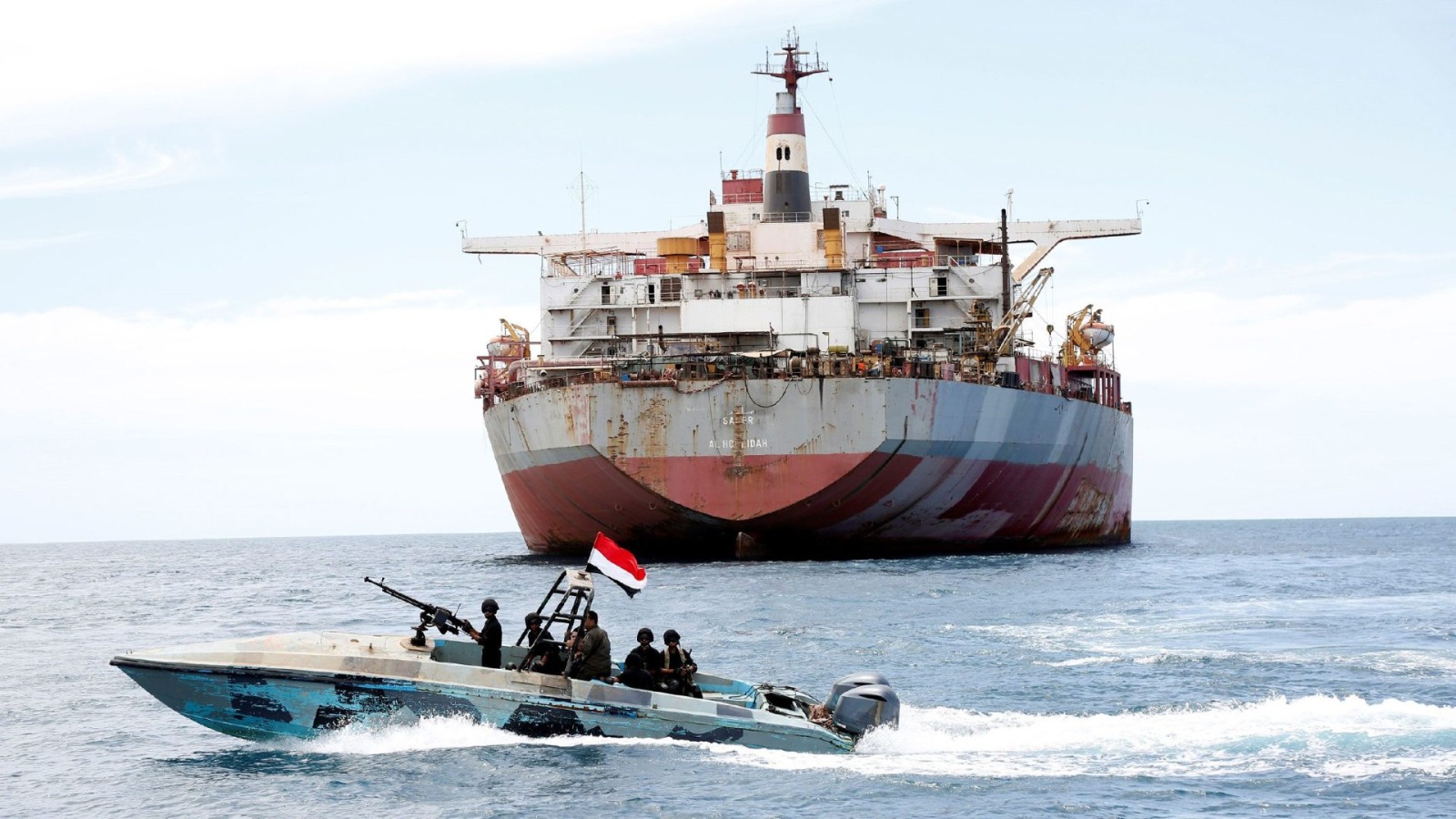
The Strait of Hormuz is one of the most important energy routes in the world. Oil from the Persian Gulf reaches global markets through this route. According to estimates, about 20 percent of the world’s oil supply passes through this strait. About 20 million barrels of oil are transported to different countries every day through this route. This is why the Strait of Hormuz is also called the world’s energy artery. In the past, many political leaders have commented on possible US attacks on Iran and stated that the winner in such a war will be the one who has control of the Strait of Hormuz. Today, Iran has closed the Strait of Hormuz in its defense strategy, after which the economic crisis in the region has engulfed America’s allies. Now the second defense option being considered in this war is Bab al-Mandab. That is, if trade in the Red Sea is stopped, then half the world’s economy is at risk. Bab al-Mandab is a very important sea passage for global trade. It connects the Red Sea Strait with the Gulf of Aden and is a major shipping route between Europe, Asia and Africa.
About ten to twelve percent of the world’s oil trade passes through this route. In addition, thousands of commercial ships pass through this strait every year, transporting goods between Asia and Europe. If this second strait, Bab al-Mandab, is also closed at the same time after the Strait of Hormuz, about thirty to forty percent of the world’s oil supply could be affected. This would result in a severe blow to the global economy and create a major obstacle to international trade.
Similarly, shipping companies would be forced to take a long route around the southern tip of Africa, the Cape of Good Hope, which would not only increase time but also increase trade costs many times over. That is, according to an estimate, a ship would have to make a long round trip of ten to fifteen days.
The most immediate impact of this situation would be on global energy prices. According to experts, if the Strait of Hormuz and the Bab al-Mandab Strait are closed, oil prices could reach $100 to $150 per barrel. While some experts say the price of oil could even reach $200 per barrel.
As a result, there will be a sharp increase in the prices of petrol, diesel and gas around the world. The increase in energy prices will have a direct impact on the global economy. The production costs of industries will increase, essential goods will become more expensive and a new wave of global inflation may arise. Developing countries, especially countries like Pakistan, will be more affected by this crisis because their economies depend largely on imported energy.
If oil prices in the global market increase to this extent, then the prices of petrol and diesel in Pakistan may also reach extraordinary levels, which will directly affect the lives of ordinary citizens. In the current situation, this fear has become more important because the ongoing tension in the Middle East is no longer just a regional issue, but its effects may also affect the global economy and world peace.
If the world powers do not take this situation seriously, this crisis may turn into a major economic storm. Therefore, it is the need of the hour that the international community takes serious and practical steps to reduce tension in the Middle East so that global trade and energy supply can be saved from a major crisis. Because if important sea routes like the Strait of Hormuz and Bab al-Mandab are affected, its effects will only be felt