GAZA, (Palestine Foundation Information Center), Gaza’s Civil Defense said on Sunday that two people have died since the onset of the latest winter storm affecting the Gaza Strip, as the severe weather condition worsens the humanitarian situation for displaced families.
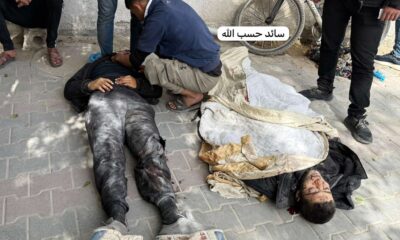
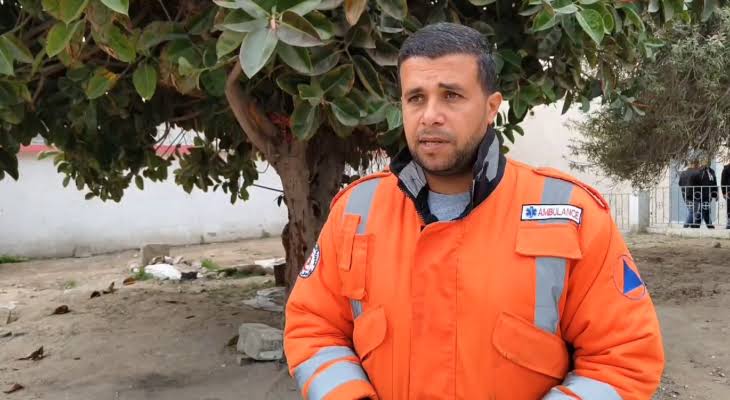
Civil Defense spokesman Mahmoud Basal said a child drowned after falling into a water-filled pit in the al-Sudaniya area north of Gaza City, while a woman was killed when a wall collapsed on her tent near Gaza’s port.
Basal said hundreds of displacement tents were flooded or blown away by strong winds and heavy rain, despite the current storm being less intense than previous systems, deepening the suffering of displaced families.
He added that Civil Defense crews received hundreds of emergency calls related to flooding and managed to intervene in dozens of cases at shelters and across various parts of the enclave.
Basal urged international organizations to take urgent action to allow the entry of construction materials and adequate shelter supplies, stressing that merely talking about providing tents is no longer sufficient under current conditions.
Strong winds and heavy rainfall have flooded large numbers of tents and swept others away across Gaza, further exacerbating the plight of tens of thousands of Palestinian families living in dire humanitarian conditions.
According to earlier Civil Defense data, weather systems that have hit Gaza since December have resulted in the deaths of 17 Palestinians, including four children, while flooding affected around 90 percent of shelters housing displaced people whose homes were destroyed by Israel.
Previous figures from the Government Media Office indicate that weather damage has impacted more than a quarter of a million displaced people out of some 1.5 million Palestinians living in makeshift tents and shelters that provide little protection.
Gaza has been facing a third polar low-pressure system since Saturday afternoon, compounding the hardship of hundreds of thousands of displaced residents living in fragile shelters amid widespread destruction of infrastructure.