BEIRUT, (Palestine Foundation Information Center), Widespread anger has erupted across Palestinian camps and communities in Lebanon following actions attributed to UNRWA (the United Nations Relief and Works Agency), which are seen as a direct attack on Palestinian national identity.
These measures reportedly include the removal of the word “Palestine” from educational materials and the banning of national symbols within UNRWA schools and institutions.
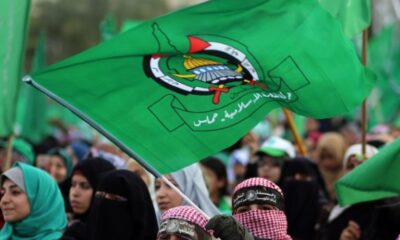
In response, the Popular Action Department of Hamas in Lebanon issued a strongly worded statement accusing UNRWA of orchestrating a systematic campaign targeting Palestinian identity and its symbols.
The Movement warned that these actions appear to be part of a broader effort to erase national awareness and disconnect younger generations from the Palestinian cause.
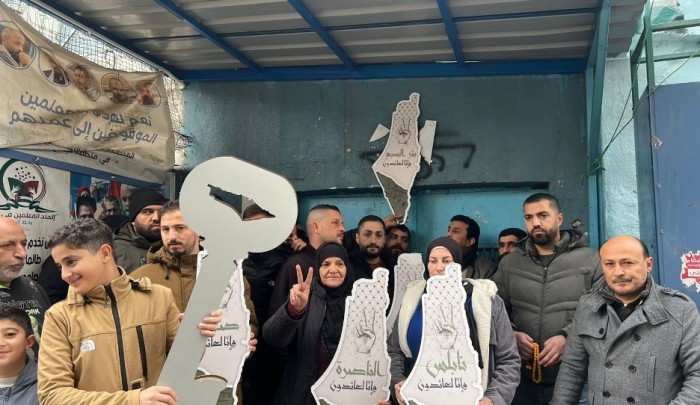
The statement highlighted specific actions such as erasing the name “Palestine” from textbooks, prohibiting the display or use of the map of Palestine, removing all references to the Palestinian cause from curricula, banning the carrying or displaying of national symbols, such as the keffiyeh or map of Palestine, and punishing staff members for engaging in any nationally-themed activity or expression.
Hamas in Lebanon described these moves as a direct assault on the Palestinian cause and identity, serving the Israeli occupation’s goals of erasing Palestinian history and national consciousness. The Movement framed this as a cultural, political, and civilizational aggression against the Palestinian people.
The statement also argued that these actions contradict international laws and resolutions recognizing the Palestinian people’s right to self-determination, the establishment of an independent state, and the right of return for refugees. Furthermore, it emphasized that UNRWA’s actions violate basic human rights principles, particularly those related to freedom of expression.
Hamas held UNRWA fully accountable for this identity-based targeting and demanded an immediate and permanent reversal of such policies. It also called for the reinstatement of all references to Palestine and its national identity within UNRWA’s educational materials and institutions.
The Movement praised the wave of student and public protests rejecting UNRWA’s approach, viewing them as genuine expressions of national belonging and commitment to inalienable rights.
These developments are part of ongoing tension between Palestinian refugees in Lebanon and UNRWA management over educational and administrative policies that have triggered repeated protests in recent years.
Such policies include the dismissal of teachers and staff under the pretext of “neutrality,” as well as the reduction of educational and healthcare services, measures widely viewed by Palestinian factions as attacks on refugees’ national and social rights.