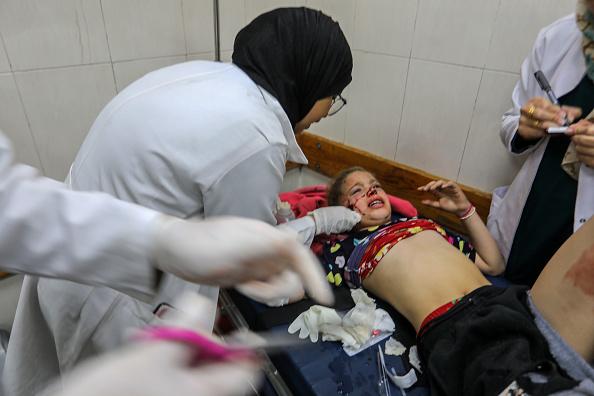
GAZA, (Palestine Foundation Information Center), The Ministry of Health in Gaza reported on Tuesday that more than 20,000 Palestinian patients are waiting for permission to travel abroad for medical treatment. It warned that the continued closure of the Rafah border crossing poses a direct threat to their lives.
In a statement, the ministry said that among these patients are 440 classified as “life-saving” cases, and approximately 4,500 are children with medical referrals for treatment outside the Strip.
“The continued closure of the Rafah crossing by Israel in southern Gaza has critically worsened the patients’ health conditions, especially amid severe shortages of medicines and medical supplies, the collapse of specialized healthcare services, and the destruction of hospital infrastructure.”
“These conditions have led to a swelling backlog of patients awaiting external treatment, while the already struggling healthcare system in Gaza can now only provide emergency or life-saving care.”
According to the ministry, 1,268 patients have died while waiting for permission to travel. Cancer patients are the most affected, with about 4,000 cancer cases currently on the waiting list.
Only 3,100 patients have managed to leave Gaza since the Rafah crossing was shut down on May 7, 2024, though the mechanism by which they left remains unclear.
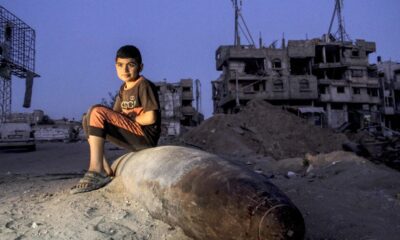
Israel closed the crossing after seizing control of it in May 2024, demolishing its buildings during a ground operation in the city of Rafah as part of its ongoing war on Gaza.
The Ministry of Health warned of unpredictable health consequences, which may lead to rising death tolls and an increase in the number of urgent medical transfer cases. It stressed that reopening the Rafah crossing and facilitating the exit of patients and wounded individuals, in addition to ensuring the entry of medical supplies, is the “last hope” for thousands of patients.
Meanwhile, the office of Israeli Prime Minister Benjamin Netanyahu announced on Sunday that Israel has agreed to reopen the Rafah crossing after locating the remains of Israeli prisoner Ran Gvili. The Israeli army confirmed on Monday it had identified the remains after examining hundreds of bodies in a cemetery in northern Gaza.
Earlier, Ali Shaath, head of the National Administration Committee in Gaza, said the crossing would reopen next week, without providing further details.
Rafah was originally scheduled to reopen last October under the first phase of a ceasefire agreement, but Israel did not comply, tying the opening to the discovery of the soldier’s body.
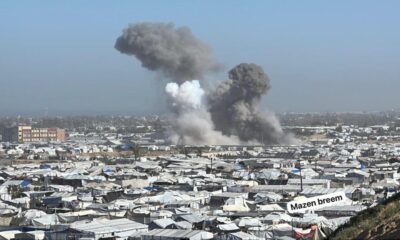
This comes amid the devastating impact of Israel’s genocidal war on Gaza, killing more than 71,000 people and injuring over 171,000 others since October 2023. The war has also destroyed nearly 90% of the civilian infrastructure, with reconstruction costs estimated by the United Nations at $70 billion.