TEHRAN, (Palestine Foundation Information Center), The confrontation between Iran and Israel has entered a more intense phase, with both sides exchanging large-scale strikes targeting each other’s territory, amid signs of deeper US involvement and parallel diplomatic efforts.
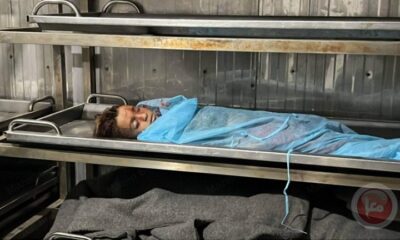
Iranian authorities reported that 636 people have been martyred and 6,848 injured in the US-Israeli attacks targeting around 430 sites in Tehran since the start of the war.
In Israel, air raid sirens sounded Monday evening in Dimona and surrounding areas, as well as in Eilat, following missile launches from Iran. The Israeli military said it intercepted one missile in each area.
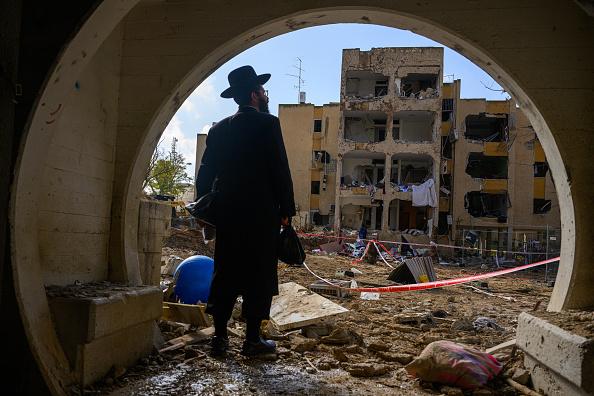
Later developments indicated that two missiles fell in an open area near Beersheba on Tuesday morning, with reports of damage at several locations in southern Israel.
Explosions were also heard over Jerusalem and parts of the southern West Bank as air defense systems responded to additional launches toward the Negev.
On the other side, the Israeli military announced an unprecedented wave of airstrikes deep inside Iran, involving dozens of fighter jets that dropped more than 100 bombs.
The strikes targeted command-and-control infrastructure of the Islamic Revolutionary Guard Corps (IRGC), including the Quds Force, as well as air defense systems, ground forces sites, ballistic missile and naval production facilities, warhead manufacturing centers, and military research hubs.
The military described the strikes as an advanced phase in dismantling Iran’s military capabilities.
Meanwhile, US Central Command confirmed carrying out strikes on command centers, missile launch sites, and IRGC facilities, as well as weapons production sites, including missile and drone factories.
US media reported discussions about deploying a combat brigade from the 82nd Airborne Division and sending additional naval reinforcements to the region.
In response, Iran’s Revolutionary Guard announced the launch of the 78th wave of its “True Promise 4” operations, targeting Israeli sites and US bases as part of ongoing escalation.
Iranian media also reported strikes on energy facilities in Isfahan and Khorramshahr, including gas infrastructure and pipelines linked to power stations.
Politically, Israeli Prime Minister Benjamin Netanyahu said US President Donald Trump sees an opportunity to turn “military gains” into a deal that secures vital interests.
Trump, for his part, said “constructive talks” had taken place with Iranian officials, without disclosing details, while reports suggested strikes would continue with exceptions for certain energy facilities.
In Europe, European Commission President Ursula von der Leyen called for an immediate halt to hostilities, warning of serious risks to global energy supply chains and stressing the need for a negotiated solution to end the escalation.