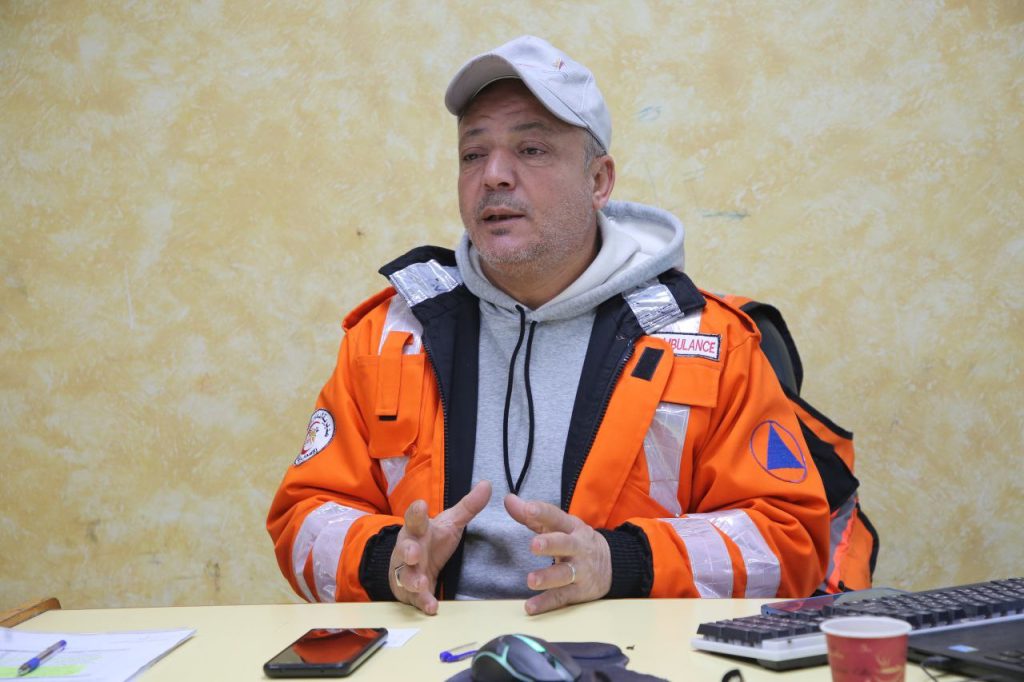
GAZA, (Palestine Foundation Information Center), The director of the Palestinian Civil Defense in Gaza governorate, Brig. Gen. Raed Al-Dahshan, said the agency is facing the most dangerous moment in its history amid Israel’s ongoing genocide against the Gaza Strip, a campaign that has not only targeted civilians and their homes but has also systematically struck rescue crews, facilities, and equipment, leaving the service nearly paralyzed.
Al-Dahshan said Israel’s continued refusal to allow heavy machinery into Gaza has prevented the recovery of an estimated 10,000 bodies still buried beneath rubble.
He stressed that the task could be completed within three months if the necessary equipment were allowed in, but warned that without it, the catastrophe would turn into an open-ended tragedy lasting years. He made the remarks in an interview with Palestine Online.
He cautioned that if the ban on equipment persists, recovery operations could drag on for more than a decade, condemning thousands of families to a prolonged and painful wait.
Depleted capacity
Al-Dahshan explained that the Civil Defense entered the genocide already operating at no more than 45 percent capacity due to a blockade that has lasted more than 17 years and barred the entry of modern equipment. With the escalation of attacks, the service has lost around 85 percent of its assets and is now functioning at just 5 to 7 percent of its pre-war capacity.
Crews, he said, are working with extremely rudimentary means, often with bare hands, after losing most fire engines, hydraulic rescue ladders, ambulances, water tankers, and heavy machinery capable of lifting concrete slabs.
In Gaza governorate, the most densely populated area of the Strip, only one fire engine, one rescue vehicle, and one ambulance remain in service, compared with a fully equipped fleet before the genocide.
A staggering human toll
Al-Dahshan revealed that the Civil Defense has lost 142 of its personnel killed while carrying out their humanitarian duties, most of them veterans with 15 to 30 years of experience. Another 352 staff members have suffered severe injuries that permanently removed them from service, including amputations, lifelong disabilities, and critical wounds.
Before the genocide, the Civil Defense force in Gaza numbered between 800 and 900 members. The scale of losses has created a severe professional imbalance and sharply reduced the agency’s ability to respond rapidly.
He emphasized that Civil Defense teams were directly targeted despite protections under the Geneva Conventions, the wearing of fluorescent uniforms, and prior coordination with the International Committee of the Red Cross and other international bodies.
Destroyed centers and forced redeployment
Al-Dahshan said all 17 Civil Defense facilities across Gaza have been completely destroyed, including five main centers in Gaza City.
In Rafah, operations have nearly ceased due to the mass displacement of residents. Crews have been merged into Khan Yunis and the central areas, with deployment scaled back because of security risks and proximity to frontlines.
As a result, he said, the agency no longer operates according to recognized international standards but under an improvised, irregular emergency mode imposed by harsh realities on the ground.
Bodies without farewell
On the issue of bodies trapped under rubble, Al-Dahshan said Civil Defense teams have so far recovered only about 350 bodies, while thousands remain buried.
Most of the victims are known to their families, he said, but what is often recovered are skeletal remains due to the passage of time and the inability to reach sites quickly.
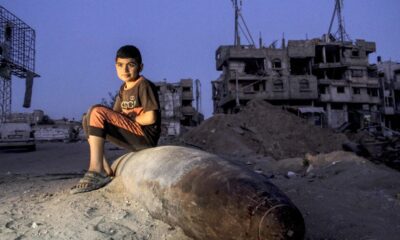
Rubble removal is proceeding at an extremely slow pace because of the lack of bulldozers and heavy machinery. Al-Dahshan added that crews sometimes hear the cries of people trapped beneath debris without being able to save them, leaving civilians to bear the cost alone.
Buildings at risk of collapse
He also warned of the danger posed by structurally damaged buildings, particularly during winter storms. Dozens of buildings have collapsed in recent weeks, killing and injuring residents.
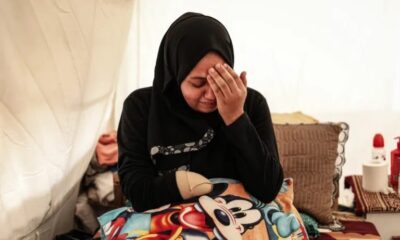
Many families, he said, are forced to live in homes at risk of collapse or in unsafe tents because there are no alternatives, while the Civil Defense lacks the equipment needed to demolish or secure unstable structures.
An urgent humanitarian appeal
Al-Dahshan concluded by stressing that the Civil Defense is a purely humanitarian body with no political role. He urged the international community, UN agencies, and Palestinian authorities to intervene immediately to provide equipment, machinery, fuel, and logistical support.
Supporting the Civil Defense, he said, means supporting life itself. Reviving the agency would save thousands of lives and enable its crews to carry out their humanitarian mission under some of the most brutal conditions imaginable.