
GAZA, (Palestine Foundation Information Center), Israeli authorities are facing growing international pressure to reopen the Rafah border crossing, as Palestinian officials warn that Israeli delays in implementing ceasefire commitments are worsening the humanitarian crisis in the besieged enclave.
Mohsen Abu Ramadan, a member of the coordinating committee of the Palestinian NGO Network, said Israeli authorities are deliberately delaying the implementation of key provisions of the Gaza ceasefire agreement in an effort to impose new political and security conditions.
Speaking to local media on Tuesday, Abu Ramadan warned that the continued stalling by the Israeli government led by Benjamin Netanyahu risks collapsing the existing understandings and further deepening the humanitarian crisis in Gaza.
He said Israel has been slowing progress toward the next phase of the ceasefire arrangement, particularly following the outbreak of the US–Israeli war on Iran, leaving Gaza under sustained political and humanitarian pressure.
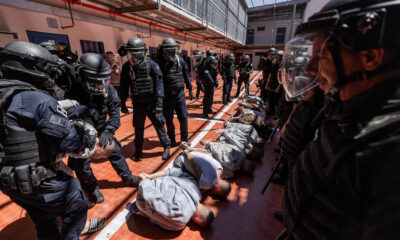
According to Abu Ramadan, Israeli authorities are also using the issue of prisoners and security considerations to introduce conditions that were not part of the original agreement, undermining the fragile ceasefire and prolonging the crisis.
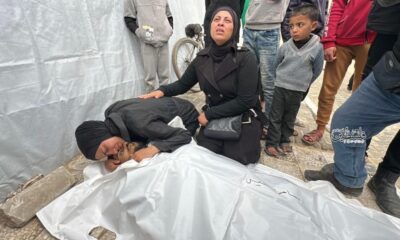
The situation on the ground remains dire. Gaza continues to face severe shortages of humanitarian aid and essential supplies, while strict restrictions remain on the entry of goods, fuel and cooking gas.
Israel has kept tight control over the enclave’s crossings, including the continued closure of the Rafah crossing with Egypt since 1 March, citing security concerns. The Karm Abu Salem commercial crossing was partially reopened this week to allow a limited flow of humanitarian aid.
The UN Office for the Coordination of Humanitarian Affairs (OCHA) said approximately 500,000 liters of fuel and some humanitarian supplies were allowed into Gaza through Israel and Egypt, though aid deliveries remain tightly restricted.
At the same time, international diplomatic efforts are underway to pressure Israel to reopen Rafah, which serves as Gaza’s main gateway for civilian travel.

According to Israel’s Haaretz newspaper, representatives of the so-called “Peace Board” and the office of its Gaza envoy Nikolay Mladenov have been holding talks with the Israeli government aimed at reopening the crossing in both directions.
The report said Aryeh Lightstone, a senior adviser to US envoy Steve Witkoff and a representative of the Peace Board, recently approached Israeli Prime Minister Benjamin Netanyahu directly to discuss the issue.
Despite these efforts, Rafah and other crossings remain closed. Israeli officials say no political directive has yet been issued to reopen the crossing, claiming that current security conditions do not allow it.
Meanwhile, Gaza’s healthcare system is facing a severe crisis as Israel continues to block the entry of medicines and medical supplies.
International and human rights organizations warn that the enclave’s medical system is on the verge of collapse after two years of Israeli genocide, which has devastated hospitals, targeted medical workers and left thousands of wounded people in urgent need of treatment.
Analysts warn that unless Israel fully implements the ceasefire provisions and reopens Gaza’s crossings, the humanitarian situation could deteriorate further and trigger a new round of escalation.