By: Dr. Sabir Abu Maryam
Secretary General, Palestine Foundation Pakistan
(Palestine Foundation Information Center), The holy month of Ramadan is coming to an end, and Eid-ul-Fitr is approaching. Like the rest of the world, Muslims in Pakistan are busy preparing for Eid celebrations. The purpose of writing this article is not to discourage celebrating Eid, but rather to remind ourselves that Eid is, in essence, a feeling and a spirit that draws us closer to God and to His creation. Just as during Ramadan Muslims are mindful of their deprived brothers and sisters, Eid also teaches us to preserve and carry forward this sense of empathy.
Celebrating Eid with simplicity does not mean avoiding happiness; rather, it means maintaining balance in our celebrations, avoiding unnecessary expenses, and directing our resources toward those who truly deserve them. If we slightly reduce spending on clothes, food, and festivities, the savings can bring real joy to a needy family on Eid.
I do not know whether we have made any effort during Ramadan to ease the suffering of our oppressed brothers and sisters, but Eid provides us with another opportunity that we should not let slip away. The true joy of Eid lies not only in new clothes and delicious meals, but in bringing smiles to the faces of others. Let us make this Eid a message of compassion, empathy, and unity.
How can we turn Eid-ul-Fitr into a message of empathy, compassion, and unity? At this moment, emotions alone are not enough. The reality is that only organized, positive, and impactful actions can make a real difference. If we truly want to make this Eid a message of empathy and unity, we must adopt collective and practical strategies, especially in the context of Gaza, Lebanon, Yemen, and Iran.
Today, we witness that Gaza continues to burn, Lebanon is under relentless Israeli bombardment, Yemen faces ongoing threats, and Iran is also facing severe aggression from the United States and Israel. Thousands of innocent people have been killed across Palestine, Lebanon, Yemen, and Iran. In Iran, in particular, Supreme Leader Ayatollah Khamenei has reportedly been targeted by what is described as US-Israeli terrorism, and many of his companions, including Ali Larijani, have also been killed in such incidents. Many of these individuals have been martyred along with their families, with their common message being: “We may not remain, but Islam will remain.”
In Gaza, the sacrifices of our brothers and sisters form an unmatched history before us. Our brothers in Lebanon have also made immense sacrifices and continue to do so. Their shared goal is the liberation of Al-Quds and the end of Zionist occupation over Palestine.
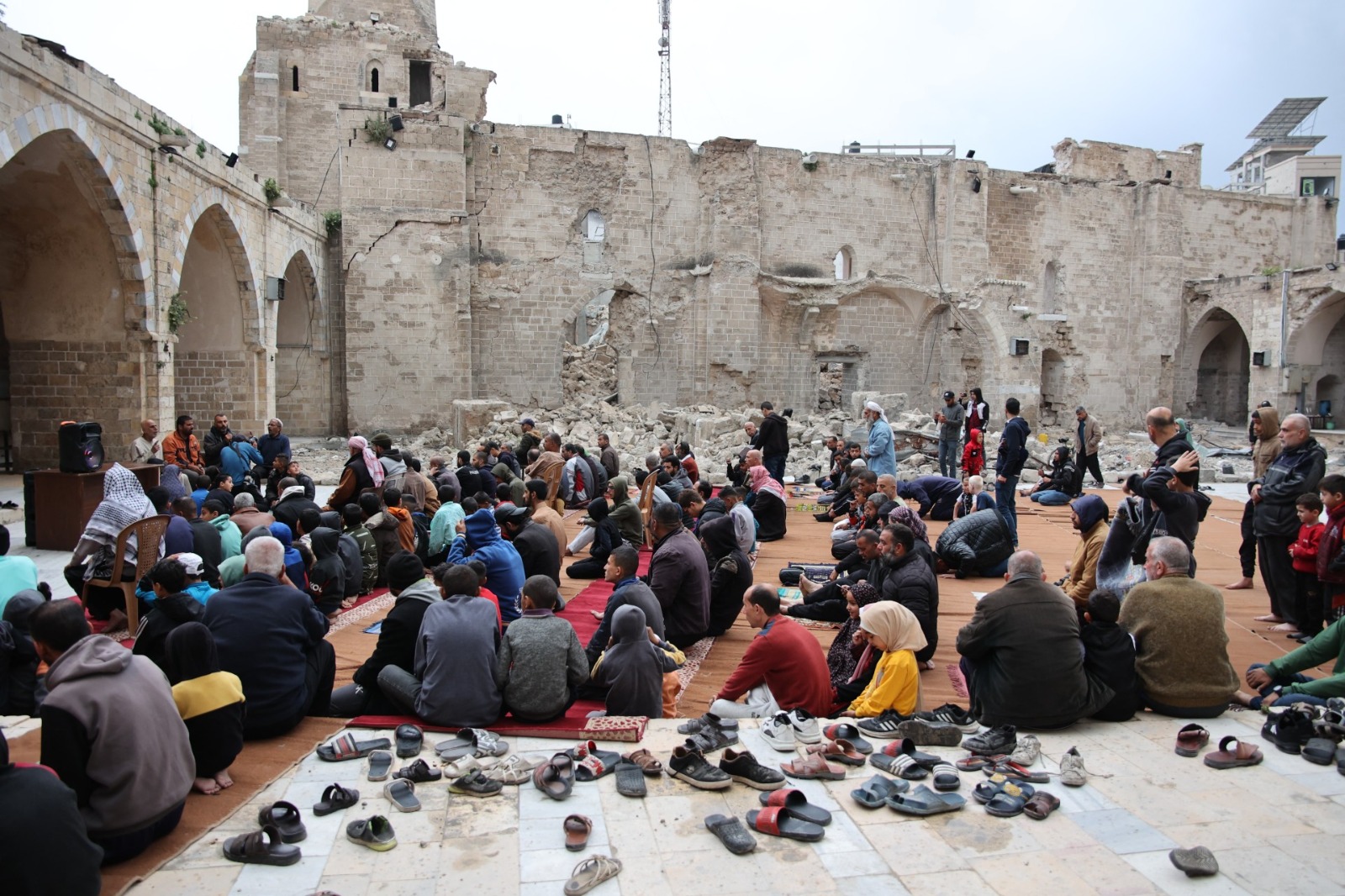
At a time when Muslims around the world are preparing for Eid celebrations, their brothers and sisters in Palestine, Lebanon, Yemen, Iraq, and Iran are facing war, oppression, and humanitarian crises. In some places there is bombing, in others blockades; children suffer from hunger and thirst, and entire families are being wiped out. These situations are not merely wars but tragic human crises, and in many cases, have taken the form of genocide.
In such circumstances, celebrating Eid is natural, but as an Ummah we must reflect: can our happiness ever be complete while our own brothers and sisters are in distress? Islam does not confine us to ourselves alone; it teaches us to feel the pain of the entire community.
At this critical time, as Eid-ul-Fitr arrives, what responsibilities should we fulfill? We should reduce spending on expensive clothing, lavish meals, and decorations, and allocate those resources to aid affected regions. Collective “simple Eid” campaigns can be initiated at community or organizational levels. Let us work together to support the people of conflict-affected regions, especially Palestine, Iran, and Lebanon, by transforming our celebrations into acts of simplicity and service.
During Eid gatherings, we should remember the people of Palestine, Lebanon, and Iran in our prayers after Eid prayers, and supplicate for their success and relief. Welfare organizations should establish dedicated funds for Palestine, Lebanon, and Iran, and the public should actively participate in supporting these initiatives.
Our scholars and intellectuals have a responsibility to effectively highlight the situation in Gaza, Lebanon, and Iran during Eid gatherings. Today’s conflicts are not only fought on the battlefield but also in narratives. It is important to present accurate information, avoid rumors and unverified news, and emphasize the human aspect rather than mere emotional slogans. The oppressive policies of the United States, Israel, and their Western and regional allies should be explained responsibly.
At this time, one of the greatest needs in Pakistani society is national unity and cohesion. Enemies have historically benefited from division through a “divide and rule” strategy. Now is the time to uproot division and strengthen unity among ourselves. Division causes the greatest harm in such situations. Differences regarding Iran and other Muslim countries should be replaced with a shared humanitarian perspective. Sectarian and political differences must be set aside to strengthen the concept of the Ummah.
Iran, Palestine, Lebanon, and Yemen are all currently facing oppression from global powers. In such circumstances, our responsibility is to organize peaceful solidarity rallies, seminars, and awareness campaigns. Legal and dignified means should be used to pressurize governments and international institutions. Care must be taken when sharing information about any person or event. False or unverified news not only misleads people but also harms the cause itself. Responsible communication is true awareness.
In summary, the message of this Eid should not be limited to joy alone, but should include awareness, responsibility, and practical solidarity. If every individual contributes even in a small way, these collective efforts can lead to meaningful change. The people of Pakistan have always stood with the suffering of the Ummah. This is the time once again to recognize our responsibility. Instead of turning Eid into a display of extravagance and unnecessary spending, we should celebrate it with simplicity, empathy, and compassion.
Most importantly, we must ask ourselves: do we truly feel the pain of our Palestinian, Lebanese, Yemeni, Iraqi, and Iranian brothers and sisters? Have we ever imagined how a mother grieving the loss of her child experiences Eid?