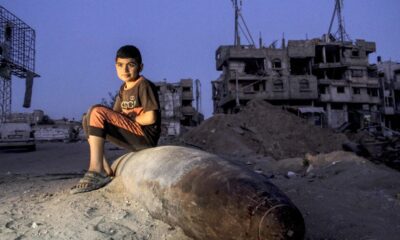
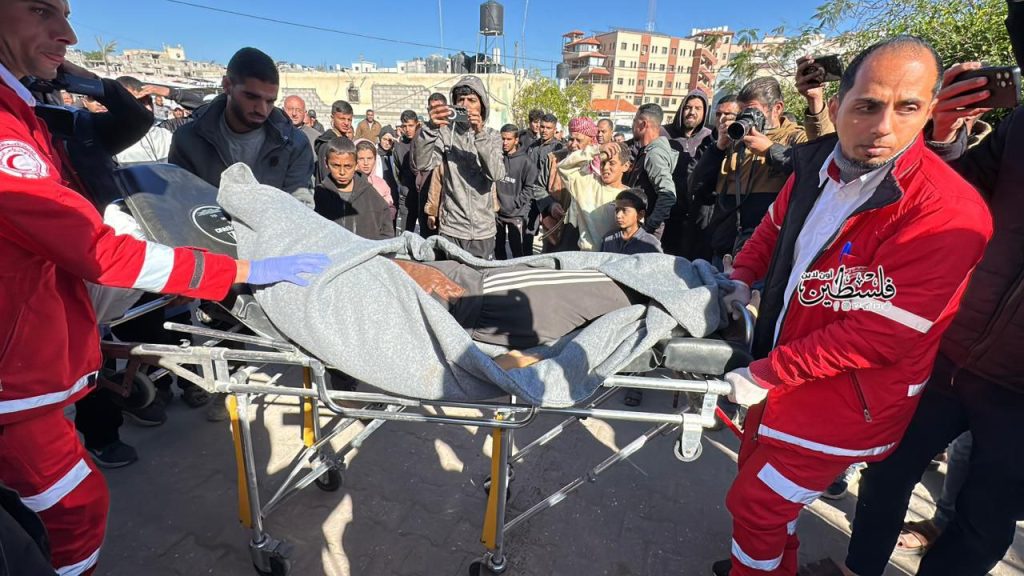
GAZA, (Palestine Foundation Information Center), The United Nations Children’s Fund (UNICEF) reported that more than 100 children have been killed in the Gaza Strip since the ceasefire began last October, including those killed by Israeli drone and quadcopter strikes.
UNICEF spokesperson James Elder told reporters during a UN video briefing from Gaza on Tuesday that “over 100 children have been killed in Gaza since the ceasefire, meaning a boy or girl has been killed almost every day during this supposed pause in hostilities.”
He added that survival in Gaza is still uncertain, and while bombings and shootings have slowed down, they have not stopped.
According to Elder, nearly all the victims, 60 boys and 40 girls, were killed in Israeli military operations, including airstrikes, drone attacks, tank shelling, gunfire, and quadcopter raids. A small number were due to unexploded ordnance.
He noted that the actual death toll is likely underreported, as the data includes only those cases for which sufficient information was available.
Cold weather tragedies add to Gaza’s suffering
Meanwhile, Gaza’s Government Media Office announced on Tuesday that cold weather has now killed 7 more people since winter began, bringing the total to 24 deaths, including 21 children, since the start of Israel’s genocidal war.
The statement highlighted that nearly 7,000 tents have been swept away by recent severe weather.
The Office warned of a catastrophic humanitarian situation, as freezing temperatures hit displaced persons in makeshift camps amid continued blockade and destruction of homes and infrastructure. Over 1.5 million Palestinians have been forcibly displaced into camps lacking basic human necessities.
UN official: Winter now a deadly threat in Gaza
Ajit Sunghay, head of the UN Office of the High Commissioner for Human Rights (OHCHR) in the occupied Palestinian territory, described the current situation in Gaza as “extremely dangerous.”
He warned that winter has become an additional killer, alongside ongoing bombings and displacement that have lasted over two years.
In a statement to Al Jazeera, Sunghay said Gazans had endured harsh winters before, but this one is much worse due to torn tents, flooded zones, and destroyed infrastructure, turning any storm into a direct threat to life.
Sunghay confirmed that children have already died due to the cold, and stressed these losses cannot be separated from forced displacement, lack of adequate shelter, and blocked entry of essential materials needed to protect civilians from extreme weather.
He emphasized that this disaster was predictable, winter storms are a seasonal norm, but leaving hundreds of thousands in “inhumane and insufficient” tents is turning natural events into man-made tragedies.
Sunghay said the real need isn’t just more tents, but high-quality shelters, which Israel currently prohibits. He stressed the need to enter Phase Two of the ceasefire to allow reconstruction materials in.
Sunghay warned that continued restrictions on equipment and construction supplies are a major bottleneck blocking effective humanitarian aid and putting civilians at risk of freezing to death, being crushed by collapsing buildings, and dying from continued airstrikes.
Recent storms have caused over 20 buildings to collapse, with more than 150 suffering partial collapses, killing 24 people, 21 of them children, and injuring many more.
Gaza’s civil defense also warned that an incoming polar storm poses a severe threat to 1.5 million displaced people living in tents, with potential for new casualties, more building collapses, and entire camps flooding from rain and strong winds.
International community failing Gaza
Sunghay blamed the situation on collective international failure, saying the issue isn’t only with UN agencies, but also with member states, especially those with the power to pressure Israel to allow humanitarian access.
He pointed out that Israel has blocked dozens of international NGOs, denied visas to human rights groups (including the OHCHR), and restricted access to UN agencies, crippling humanitarian response efforts.
Sunghay also highlighted that aid trucks are piled up at crossings, but the problem isn’t a lack of supplies; it’s that Israel won’t let them in.
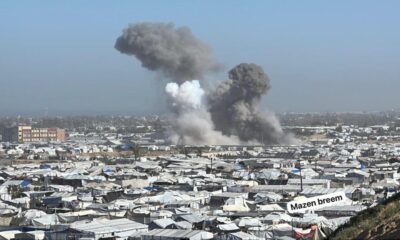
Sunghay warned the world against losing focus after the ceasefire began, emphasizing that “bombing has not stopped. People are still being killed, by airstrikes, gunfire near buffer zones, the cold, and collapsing shelters.”
He concluded by reaffirming that “the United Nations and international agencies will not give up, but we cannot act alone. Member states must take responsibility, apply real pressure, and ensure accountability for what is happening in the occupied Palestinian territory.”