GAZA, (The Palestine Foundation Pakistan)
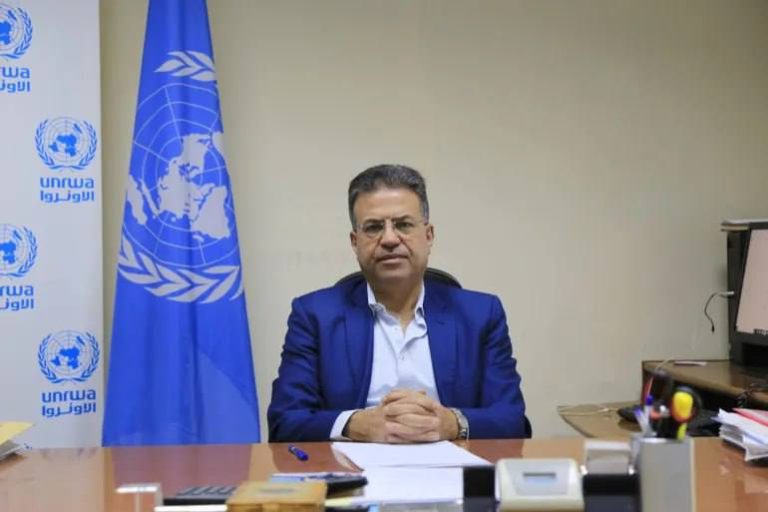
Adnan Abu Hasna, the media adviser for UNRWA, said that the Israeli occupation authorities are holding 6,000 agency trucks loaded with food supplies sufficient for the Gaza Strip for three months, in addition to hundreds of thousands of tents and blankets designated for about 1.3 million Palestinians as the humanitarian crisis worsens.
Abu Hasna explained, in an interview with Al Jazeera, that the number of trucks currently entering Gaza exceeds the average that used to enter before the ceasefire. However, he stressed that these quantities do not match the enormous level of need inside the Strip.
He added that the occupation authorities continue to ban the entry of hundreds of vital items, including health, sanitation, water, and food supplies, noting that they allow more materials to enter for the commercial sector than for humanitarian and relief organizations.
Abu Hasna confirmed that most of Gaza’s population relies entirely on humanitarian aid, as residents have lost their purchasing power, except for a limited number of UN agency employees and what remains of Palestinian Authority staff.
He explained that humanitarian organizations submit requests to bring in essential materials such as spare parts for desalination and sewage plants, medical equipment, and international teams and staff. However, Israel rejects most of these requests, limiting its approvals to basic supplies such as canned food, flour, and some medicines.
Abu Hasna warned that the continuation of this situation will push Gaza back to square one, noting that limited rainfall over the past two days caused rainwater to mix with sewage due to the destruction of infrastructure, leading to widespread collapse of tens of thousands of tents.
Meanwhile, waste continues to pile up, and sewage water floods the narrow streets near displaced persons’ tents in the southern part of the Strip, while children live in an environment rife with diseases and epidemics, according to testimonies from the displaced.
Municipal officials told Al Jazeera correspondent Hani Al-Shaer that the current fuel crisis is the worst since the war began two years ago and has paralyzed all aspects of municipal work. Municipal vehicles, already in poor condition, have stopped operating due to fuel shortages, while the occupation authorities have not allowed new vehicles to enter.
The Civil Defense also faces extreme challenges due to the severe fuel shortage, preventing its teams from reaching distress areas in time, whether for rescue operations during weather depressions or for retrieving victims and removing dangers threatening the population.