GAZA, (Palestine Foundation Information Center), Factional sources reported that an upcoming meeting will bring together Hamas and other Palestinian factions with the UN Special Coordinator for the Middle East Peace Process, Nikolay Mladenov, along with mediators, in the coming days to discuss arrangements for the second phase of the ceasefire agreement in the Gaza Strip.
The sources explained that this meeting comes as a continuation of talks held last week in Cairo, where Hamas and other factions met with mediators to address the issue of resistance weapons within the framework of implementing the second phase of the agreement, without reaching any results.
According to sources speaking to Al-Araby Al-Jadeed, Palestinian factions insist on completing the implementation of the first phase of the agreement, which they say Israel has violated. They had been awaiting a response from mediators after submitting their demands on this issue, but no progress has been made so far.
Hamas spokesperson Hazem Qassem stated that raising the issue of resistance weapons and linking it to other tracks contradicts what was outlined in US President Donald Trump’s plan, saying that this approach reflects bias toward the Israeli position.
Qassem added that Israel is attempting to “criminalize resistance weapons while ignoring the real criminal weapon,” referring to the ongoing Israeli war in Gaza. He emphasized that Palestinian arms are a “legitimate right to defend the Palestinian people.”
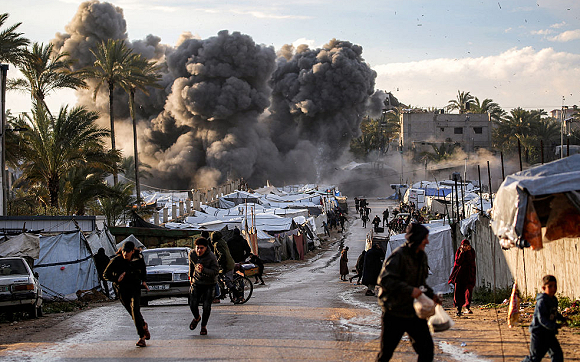
He stressed that priority should be given to fully implementing the first phase of the ceasefire agreement, pointing to continued Israeli violations that have left hundreds killed and thousands injured, as well as ongoing daily air and artillery strikes since the ceasefire was announced.
Qassem also highlighted the continued restrictions on border crossings, including the closure of the Rafah crossing, and the failure to allow agreed-upon levels of humanitarian aid into Gaza. He confirmed that the humanitarian protocol has not yet been implemented.
He said that moving forward to discussions on the second phase, including the issue of weapons or proposals to deploy international forces, should only take place after completing humanitarian measures, reopening crossings, and forming a national committee to manage Gaza.
Qassem warned that addressing the weapons issue in isolation from other files complicates the situation, especially amid ongoing military operations. He noted that continuous communication with mediators is ongoing, alongside internal consultations among Palestinian factions, aimed at forming a unified position ahead of any upcoming meetings.
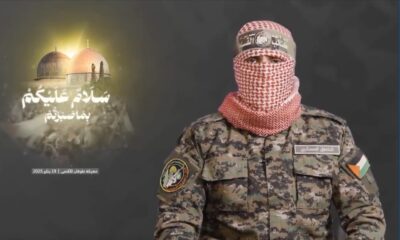
Meanwhile, Abu Obeida, spokesperson for the Izz ad-Din al-Qassam Brigades, said on Sunday evening that “the Palestinian side has fulfilled its obligations with full responsibility and integrity, out of respect for the mediators’ efforts and to remove any pretext from the Israeli occupation.” He called for pressure on Israel to fulfill its commitments under the first phase before moving on to the second.
Abu Obeida held the Israeli government responsible for obstructing the agreement and called on the US administration, which he described as biased, to assume its responsibilities.
He stressed that “raising the weapons issue in this blunt manner is nothing but an exposed attempt to continue the genocide against our people,” adding that what Israel failed to take by force and war, it will not be able to take through politics or at the negotiating table.