GAZA, (Palestine Foundation Information Center), Humanitarian conditions in the Palestinian territories are worsening amid declining aid funding and growing food and health needs, as Israeli military operations continue, settler violence escalates and economic conditions deteriorate.
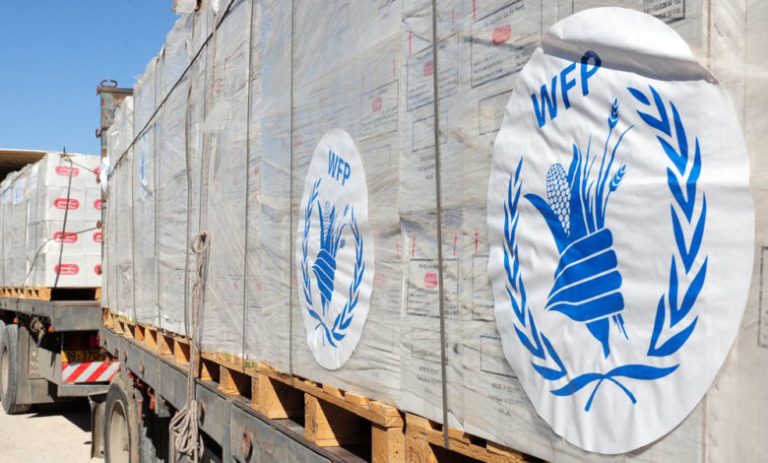
The World Food Program (WFP) said household assistance in the West Bank has been cut by half because of funding shortages, leaving around 200,000 people without support at a time when humanitarian needs have doubled over the past two years.
WFP Palestine Country Director Shaun Hughes said escalating settler violence and Israeli military operations, along with the economic crisis and rising unemployment, have worsened food insecurity in the West Bank.
Hughes said around one-third of West Bank residents are struggling to meet their basic needs, amid declining household purchasing power and rising living costs.
Gaza: Aid declines as needs grow
In the Gaza Strip, the World Food Program warned of the impact of reduced cash assistance, saying it scaled back support to around 75,000 families in July, while humanitarian needs remain at high levels.
The program warned that up to 90% of Gaza’s population could face high levels of acute food insecurity by the end of the year if humanitarian aid does not continue at the required pace.
This comes amid deteriorating living conditions and the continued widespread need for food, water and basic services, making the continued flow of aid a critical factor in preventing the humanitarian crisis from worsening further.
Health warnings over a new crisis in Gaza
On the health front, the World Health Organization warned of a possible public health crisis in the Gaza Strip during the winter because of contaminated water, deteriorating sanitation services and the growing risk of disease outbreaks.
The organization said cases of acute watery diarrhea had risen sharply, from around 30,000 in March to more than 58,000 in August, indicating worsening health and environmental conditions.
The health impact is not limited to infectious diseases. The WHO said more than 6,600 people in Gaza need long-term care after limb amputations.
According to the organization, only 12% of those who have undergone amputations since October 2023 had received prosthetic limbs as of July, reflecting the severe shortage of rehabilitation services and medical supplies.
Calls to secure water and medical supplies
The World Health Organization called for speeding up the entry of medical and laboratory supplies and prosthetic limbs into the Gaza Strip, along with ensuring access to clean water and improving waste management to reduce the risk of disease outbreaks and further health deterioration.
The figures show that the humanitarian crisis in the Palestinian territories has taken on overlapping dimensions, from food and income to water, health and rehabilitation, while funding shortages threaten the continuity of aid programs at a time when needs are rising rapidly.