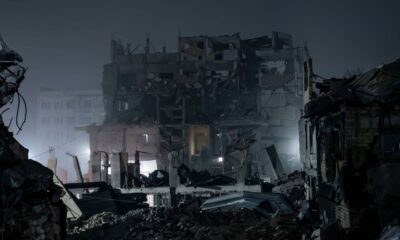
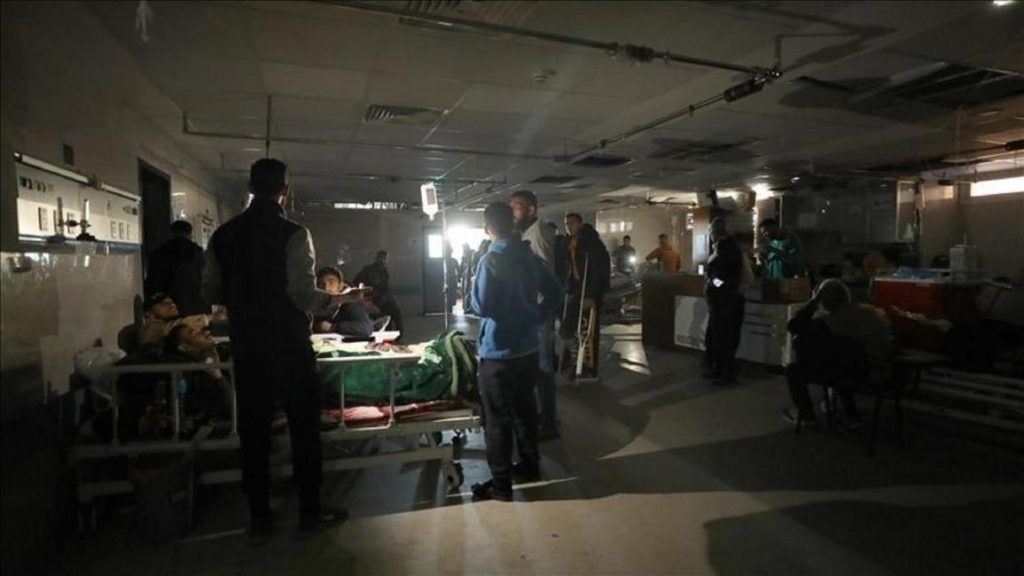
GAZA, (Palestine Foundation Information Center), Gaza’s healthcare crisis continues to worsen as medical facilities are forced out of service and hospitals and health centers struggle to provide essential care amid severe shortages of fuel, medicines, and medical supplies, compounded by extensive damage to healthcare infrastructure caused by the war.
Concerns are mounting over the potentially devastating consequences for patients, particularly those suffering from chronic illnesses, requiring continuous treatment, or needing urgent medical intervention.
In the latest sign of the crisis, Al-Awda Health and Community Complex in the Nuseirat refugee camp in central Gaza has suspended its medical services for the fourth consecutive day due to electrical generator failures that have prevented its departments from operating and delivering essential healthcare.
The complex warned that the continued suspension of services could have serious consequences for thousands of Palestinians who depend on it for basic medical care.
It stressed that the shutdown threatens to further deteriorate health conditions in Nuseirat refugee camp and across central Gaza, where access to medical services has already been severely disrupted.
The incident highlights the extreme vulnerability of Gaza’s remaining healthcare facilities, where the ability to provide treatment increasingly depends on the availability of electricity, fuel, and functioning medical equipment.
At the same time, hospitals are facing critical shortages of medicines and medical consumables, leaving healthcare workers struggling to meet patients’ growing needs.
According to the World Health Organization (WHO), as of September 24, 2026, only 19 of Gaza’s 36 hospitals were partially operational, while none were functioning at full capacity.
The WHO has also warned of severe shortages of essential medicines, diagnostic equipment, medical supplies, and fuel. These shortages have prevented cancer patients from accessing necessary treatment, disrupted regular dialysis sessions, and increased health risks for mothers and newborns.
The shutdown of Al-Awda Health Complex comes as Gaza’s healthcare system faces mounting pressure from rising medical needs, extensive damage to healthcare facilities, and shortages of the resources required to keep them operational.
With hospitals and medical centers already functioning at severely reduced capacity, prolonged equipment failures or further interruptions in essential supplies pose a direct threat to the continuity of healthcare services.
Addressing the crisis requires the urgent provision of fuel to operate electrical generators, unrestricted entry of medicines, medical supplies, and spare parts, and support for damaged healthcare facilities.
Such measures are essential to restoring medical services and protecting Palestinians’ fundamental right to timely and adequate healthcare.
As Gaza’s healthcare infrastructure continues to deteriorate, every additional day of disruption places vulnerable patients at greater risk, underscoring the urgent need to restore essential medical services across the Strip.