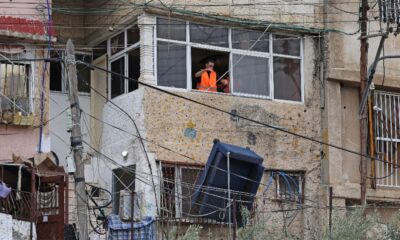
RAMALLAH, (Palestine Foundation Information Center), The head of the Wall and Settlement Resistance Commission, Minister Muayyad Shaaban, revealed that the Israeli occupation forces and settlers carried out 1,965 attacks in the West Bank during the past month of February, within what he described as the continuation of the “series of terrorism” against the Palestinian people, their lands, and their property.
Shaaban explained in the monthly report issued on Tuesday by the Commission under the title “Violations of the Occupation and Settlement Expansion Measures” that the occupation army carried out 1,454 attacks, while settlers carried out 511 attacks, concentrated in the governorates of al-Khalil with 421 attacks, followed by Nablus with 340, Ramallah and Bireh with 320, and Jerusalem with 210 attacks.
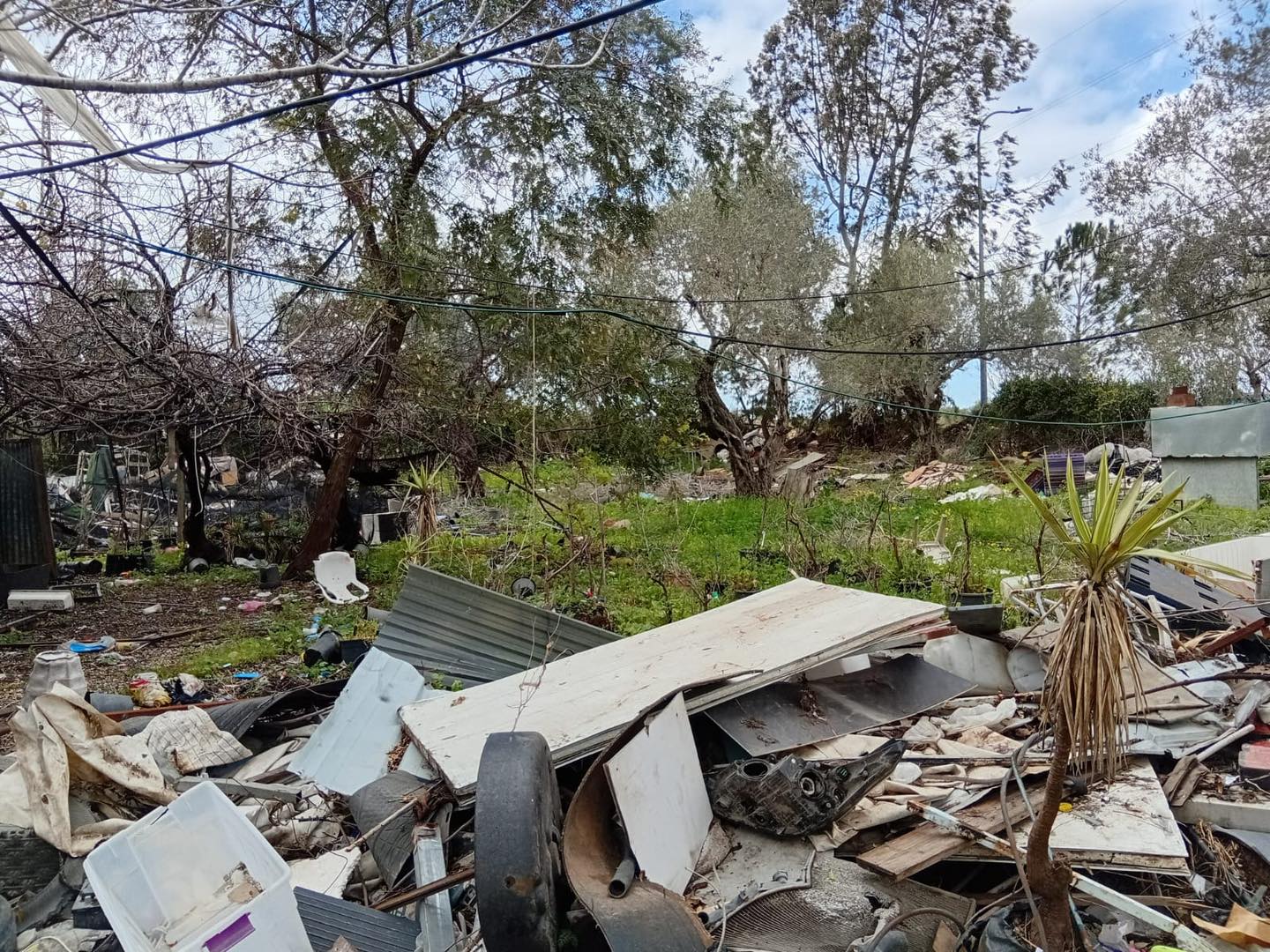
He indicated that the attacks included direct beatings, uprooting trees, burning fields, preventing olive pickers from reaching their lands, seizing property, demolishing homes and agricultural facilities, in parallel with closing vast areas under the pretext of “security” and enabling settlers to expand into them. He affirmed that what is taking place represents an organized methodology aimed at emptying the land of its owners and imposing an integrated racist colonial system.
Uprooting 1,314 trees and damaging property
Shaaban pointed out that the 511 settler attacks were concentrated in al-Khalil with 138 attacks, Nablus with 121, and Ramallah with 98. Settlers also carried out 355 acts of vandalism and theft affecting wide areas, and with the support of the occupation army they uprooted, damaged, and poisoned 1,314 trees, including 1,054 olive trees, distributed as follows: 731 trees in Ramallah, 200 in Bethlehem, 183 in al-Khalil, 180 in Nablus, and 20 in Tulkarem.
Attempts to establish five settlement outposts
He noted that since the beginning of February, settlers have attempted to establish five new settlement outposts of an agricultural and pastoral nature, two in al-Khalil, two in Nablus, and one in Tubas, considering that the escalation of these attempts is taking place under political instructions to impose permanent facts on the ground.
Seizure of 2,022 dunums
Shaaban explained that during February, the occupation authorities seized 2,022 dunums through seizure and expropriation orders, including 21.5 dunums for military purposes under 8 orders. They also confirmed the confiscation of the archaeological site in Sebastia through Military Expropriation Order No. 26/1, which stipulated the seizure of more than 2,000 dunums, describing it as the largest archaeological seizure operation in the Palestinian territories.
Demolition of 122 structures and new notices
He indicated that the occupation authorities carried out 72 demolition operations affecting 122 structures, including 56 inhabited homes, 9 uninhabited homes, 34 agricultural facilities, and 18 sources of livelihood, concentrated in Jerusalem with 46 structures, al-Khalil with 38, followed by Tubas with 9 and other structures in various areas. In addition, 49 demolition notices were distributed, concentrated in Bethlehem with 22 notices, al-Khalil with 10, Jerusalem with 8, 3 in Tulkarm, 2 in each of Tubas and Salfit, and 1 notice in each of Jenin and Ramallah.
Study of 22 settlement plans
He pointed out that the occupation’s planning authorities studied 22 structural plans for the benefit of West Bank settlements and within the boundaries of the occupation municipality in Jerusalem, approved 7 plans and deposited 5 others, allowing the approval of 642 new colonial units over an area of 1,154.5 dunums. The occupation municipality in Jerusalem also approved 3 plans and deposited 6 others, totaling 613 colonial units over an area of 316.45 dunums.
He explained that among the most prominent approved plans is the establishment of a large settlement neighborhood affiliated with the Asfar (Metzad) settlement established on citizens’ lands in the town of al-Shuyukh in al-Khalil governorate, to build 509 units over an area of 342 dunums, in addition to a colonial neighborhood affiliated with the Kfar Tapuach settlement established on the lands of Yasuf village in Salfit, to build 133 units over an area of 118 dunums.