GAZA, (Palestine Foundation Information Center), The health system in the Gaza Strip is facing unprecedented crisis with declining hospital capacity, breakdown of medical diagnostic equipment, and acute shortage of medicines and medical supplies, while thousands of sick and injured people await the opportunity to travel to receive treatment outside the Strip, amid increasing risks to the lives of critical cases.
Zaher Al-Wahidi, director of the Health Information Center at the Palestinian Ministry of Health in Gaza, said that the health sector faces a catastrophic reality as a result of the ongoing Israeli aggression and targeting of medical facilities over three years, which has led to a decline in health services and the inability of remaining facilities to meet the growing needs of the population.
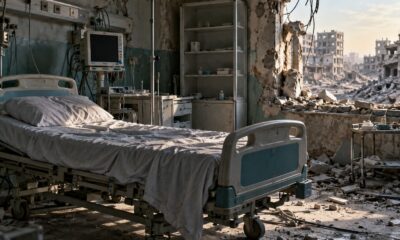
Al-Wahidi explained, in press statements on Sunday, that only 22 hospitals are still operating in the Strip, out of 38 hospitals that were providing their services before the war, all of which are operating at partial and limited capacity, including five government hospitals.
He added that primary healthcare services have also declined, with only 98 health centers operating out of 157 centers, while field hospitals continue to play a supporting role for the health system despite their limited resources.
Deficit in medicines and medical supplies threatened with exhaustion
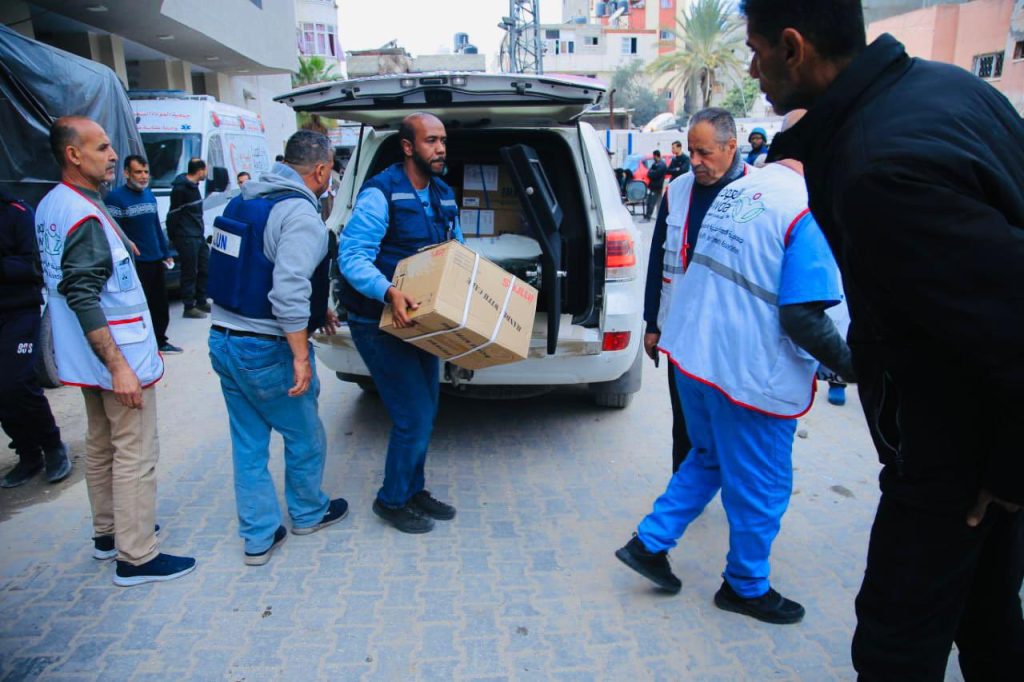
Regarding the shortage of medicines and medical supplies, Al-Wahidi explained that the overall deficit rate in medicines reached 45%, with worsening shortages in emergency and intensive care medicines, cancer treatments, and chronic disease medications, where the deficit rate exceeded 48%.
He pointed out that the deficit in medical consumables reached 56%, including supplies for open-heart surgery, cardiac catheterization, orthopedic surgery, and kidney dialysis, which places medical staff before serious challenges in providing necessary treatment to patients.
He noted that kidney dialysis patients face a severe shortage of sodium bicarbonate, which is essential for operating the machines, especially “Fresenius” devices, which represent about 48% of total dialysis machines in the Strip.
Paralysis in diagnostic equipment and medical imaging
The crisis deepens with the declining ability to accurately diagnose diseases and injuries, amid the breakdown of medical imaging equipment, difficulty of maintenance, and lack of spare parts.
Al-Wahidi said that the Gaza Strip had 17 CT scan devices before the war, only five of which are currently working, with limited capacity, to serve more than 2.3 million people.
He added that all nine MRI machines in the Strip have stopped working, depriving doctors of performing necessary examinations to diagnose neurological and spinal diseases and determine appropriate surgical interventions.
He warned that the continued breakdown of these devices directly impacts patients’ chances of receiving an accurate diagnosis and proper treatment, increasing the complexity of medical conditions and prolonging waiting periods.
21,000 patients awaiting treatment outside the Strip
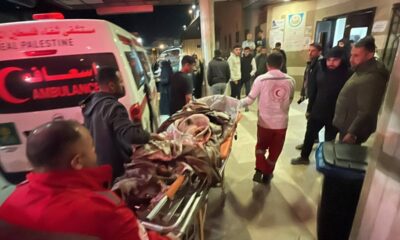
In the medical evacuation file, Al-Wahidi revealed that about 21,000 patients are in urgent need of traveling for treatment outside the Gaza Strip, including nearly 5,600 children and 2,800 cancer patients.
He explained that the list includes 194 cases classified as urgent life-saving cases, in addition to about 2,000 emergency cases requiring rapid medical intervention.
He pointed out the death of 2,027 patients while waiting for the opportunity to travel since the closure of the Rafah crossing on May 5, 2024, according to figures he cited, stressing that these patients needed treatment outside the Strip.
He also mentioned that about 1,500 cancer patients died during the war out of 12,000 registered oncology patients in the Strip, including nearly 600 children, while thousands of patients still need specialized treatment.
These figures reflect the scale of the tragedy experienced by patients deprived of treatment, amid limited medical resources inside the Strip and the impossibility of access for many of them to specialized treatment centers outside it.
Malnutrition exacerbates risks for children and mothers
The repercussions of the health crisis are not limited to the injured and those with chronic diseases, but extend to children and mothers, amid the effects of famine, malnutrition, and deteriorating healthcare conditions.
Al-Wahidi said that malnutrition caused the death of 475 people during 2025, including 165 children under five, according to data he presented, pointing to the registration of 23,000 children under five suffering from severe or moderate acute malnutrition during 2026, in addition to nine new deaths among children for the same reason.
He added that pregnant mothers face increasing health risks due to anemia, explaining that 30% of births are recorded as premature.
He also pointed to a recorded rise in miscarriage cases, reaching its peak last March, at a rate of 377 cases per 1,000 births, according to data he mentioned.
Shortage of incubators threatens newborns
Amid growing health needs, maternity and nursery departments face escalating pressure, with limited beds allocated for newborn care and cases requiring intensive care.
Al-Wahidi explained that the number of beds currently available for care and incubation stands at 117 beds, including 48 beds for neonatal intensive care and 69 beds for special care, compared to about 194 beds before the war.
He added that the number of beds declined at the peak of the war to only 62 beds, before rising again through joint efforts with the United Nations Children’s Fund “UNICEF” and the World Health Organization.
He pointed out that the destruction of a number of hospitals and their removal from service, including the European Hospital, Al-Najjar Hospital, the Emirati Al-Hilal Hospital, and Al-Dorra Hospital, contributed to reducing the capacity to provide specialized care for children.
These data reveal that the health crisis in Gaza is no longer limited to a shortage of medicines or a decline in the number of hospitals, but has come to include all stages of treatment, from diagnosis and examinations to surgical operations, specialized care, and medical evacuation.
Amid continued restrictions on the entry of medical equipment and supplies and the inability of thousands of patients to travel, risks threatening the lives of people with chronic diseases, cancer patients, children, and the injured continue to rise, while the capacity of remaining health facilities remains limited in the face of accumulated needs.