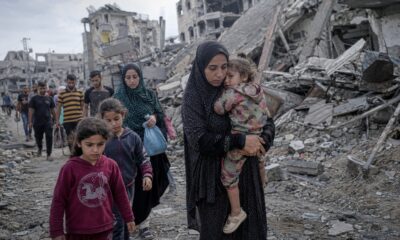
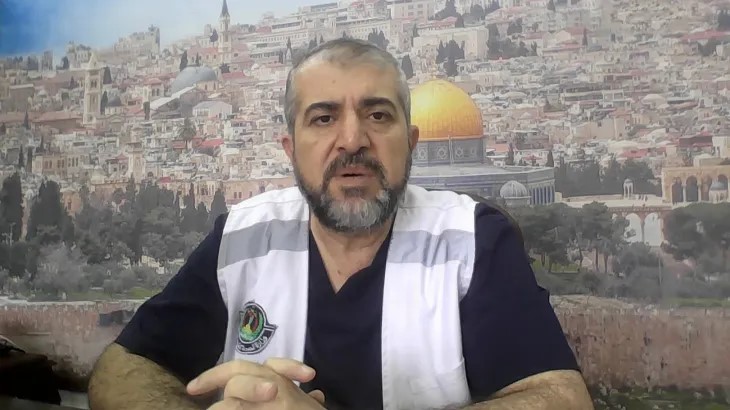
GAZA, (Palestine Foundation Information Center), Munir al-Bursh, director general of Gaza’s Ministry of Health, has warned of the worsening health and reproductive consequences of the environmental destruction caused by Israel’s military assault, amid widespread contamination of water sources and the environment and the collapse of essential healthcare services, threatening the lives of women, girls, mothers, and their children.
Al-Bursh issued the warning Wednesday in a post on X, coinciding with the International Day for the Elimination of Violence Against Women, observed annually on November 25. He cited findings from reports published by Oxfam, the Conflict and Environment Observatory, and Amnesty International examining the environmental, health, and humanitarian consequences of Israel’s war on the Gaza Strip.
Al-Bursh noted that a joint report by Oxfam and the Conflict and Environment Observatory, published two days earlier, documented how the destruction of facilities, water networks, and sanitation infrastructure had turned basic necessities of life into sources of danger to residents’ health and safety.
According to al-Bursh, the report identified indicators of potential contamination across more than 99% of Gaza’s territory, affecting water, soil, and air. He warned that the consequences of this contamination could persist for decades, posing long-term health and environmental risks.
Al-Bursh also cited the findings of an Amnesty International report released Wednesday, which concluded that the genocide against Palestinians in Gaza was continuing despite the ceasefire agreement. He noted that the harm inflicted on women and girls constituted part of the violations documented by the organization.
He explained that the destruction of fertility centers, reproductive healthcare services, and maternal care facilities, alongside the blockade, starvation, and forced displacement, had undermined women’s ability to conceive, carry pregnancies to term, and give birth safely.
He noted that Amnesty International had documented measures that effectively prevented births in some cases and called for an investigation into whether these measures were imposed with the intent to prevent births within the Palestinian group in Gaza, in accordance with Article II of the Convention on the Prevention and Punishment of the Crime of Genocide.
Al-Bursh emphasized that environmental and reproductive harm intersect in the lives of Palestinian women, who need safe water during pregnancy, specialized medical care during childbirth, and neonatal services capable of providing oxygen and essential treatment.
He warned that the destruction of these essential services and resources was placing the lives of mothers and their children at increasing risk, as Gaza’s healthcare system becomes progressively less capable of providing necessary care, further exacerbating the health and humanitarian burdens facing women and girls across the territory.
Al-Bursh called on the international community to take urgent action to protect civilians, ensure the entry of humanitarian aid and medical supplies, rehabilitate water and sanitation networks, restore maternal and childbirth services, and preserve the evidence necessary to ensure accountability.
He stressed that the seriousness of international commitments would be demonstrated through concrete measures to protect the population and save the lives of those who can still be saved.