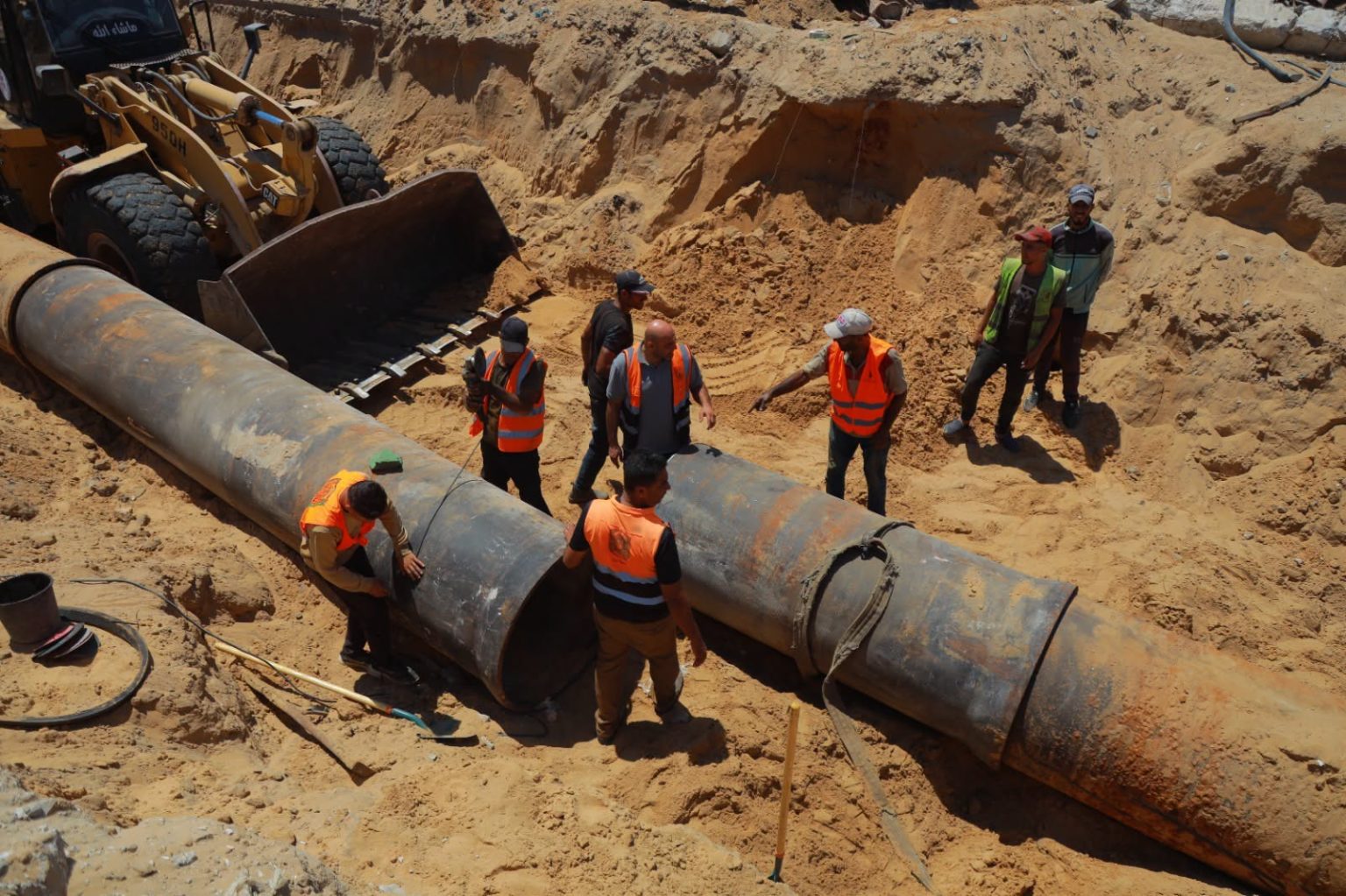
GAZA, (Palestine Foundation Information Center), Gaza City’s water crisis worsened on Monday as a Mekorot water line supplying the city from Israel remained out of service for nearly a week in the Shujaiya neighborhood of eastern Gaza, significantly reducing the amount of water reaching several areas.
The Gaza Municipality said in a statement that it continues to coordinate with relevant authorities to carry out maintenance on the line and repair the damage, with the aim of restoring water pumping and supplies to affected areas as soon as possible.
The disruption comes as water and sewage networks and other critical infrastructure across the Gaza Strip have suffered widespread destruction amid catastrophic humanitarian conditions and the continuing Israeli assault.
The Gaza Municipality and other local municipalities face severe challenges due to extremely limited resources, including shortages of spare parts and the fuel required to operate water wells and pumping stations, further increasing the humanitarian and environmental burden on the population.
In July, the Gaza Municipality said 70% of the city’s water supply had been disrupted as a result of Israel’s systematic destruction of infrastructure networks, combined with restrictions on the entry of fuel and technical supplies needed to operate pumping wells.
According to Mercy Corps, more than 75% of Gaza’s population is experiencing severe water insecurity, while most families currently receive less than six liters of water per person per day. The minimum emergency standard is 15 liters per person per day, compared with approximately 85 liters available per person each day before the war.
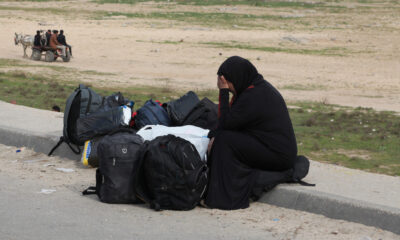
Amid the worsening crisis, more than one million displaced Palestinians across the Gaza Strip are living in deteriorating tents, while 5,000 families are sleeping in the open and approximately 52,000 people are crowded into overcrowded shelters.
High temperatures and increasingly harsh living conditions are compounding the health and humanitarian risks facing Palestinians already struggling with severe shortages of water and other basic necessities.