GAZA, (Palestine Foundation Information Center), The Palestinian ministry of health in the Gaza Strip has released its 2025 Annual Maternal and Child Health Report, revealing alarming health and humanitarian indicators that reflect the devastating impact of Israel’s genocidal war on women and children, amid the collapse of the health care system, the destruction of hospitals, and deteriorating living and nutritional conditions.
The ministry’s Health Information Center said Thursday that the report documents the state of reproductive health services, family planning, prenatal care, childbirth, and newborn care during an exceptional year marked by repeated waves of displacement, a sharp decline in the ability of health facilities to provide essential services, widespread food insecurity, and growing humanitarian needs.
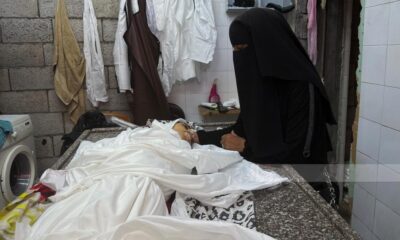
The report documented the deaths of 10,899 women of reproductive age during 2025, along with injuries to another 17,469 women, figures that underscore the devastating human toll of the war and its consequences on women in the Gaza Strip.
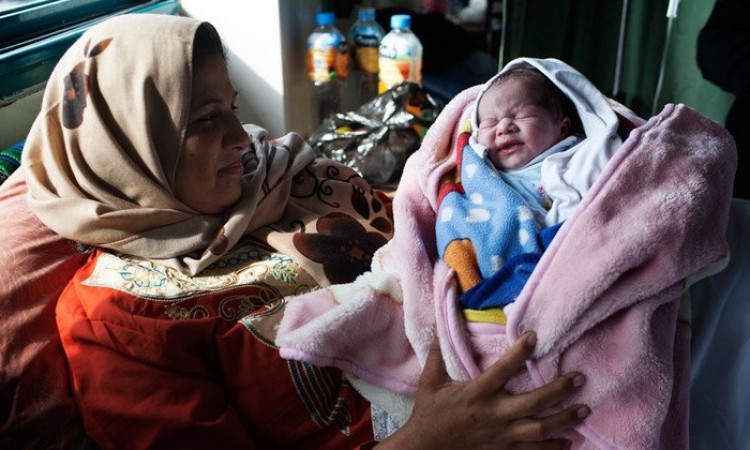
In another indication of the crisis’s profound impact, the report recorded 50,227 live births during the year, a decline of approximately 9% compared with 2022.
Meanwhile, the ministry’s primary health care centers documented 7,402 high-risk pregnancies, highlighting the serious challenges facing pregnant women amid deteriorating health and living conditions.
Anemia threatens mothers and newborns across Gaza
Health indicators revealed that 52.2% of pregnant women in Gaza suffer from anemia, with the rate rising to 85% among postpartum women, amid food shortages, limited access to nutritional supplements, and declining availability of essential health care.
Regarding newborn health, the report found that 6,182 infants, representing 12.3% of all live births during the year, required admission to neonatal intensive care units.
The neonatal mortality rate reached 9.1 deaths per 1,000 live births, with 61.7% of those deaths occurring during the first week of life.
These figures illustrate the severe risks facing mothers and their children from the earliest stages of pregnancy through childbirth and the postpartum period.
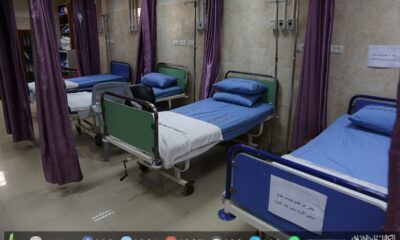
Health facilities continue to struggle with shortages of medical equipment and essential supplies, attempting to provide even the most basic services amid the widespread destruction of Gaza’s health care sector.
The Health Ministry noted that 98.4% of births took place in a limited number of overstretched health facilities following the destruction of hospitals and the closure of others.
This concentration has placed additional pressure on the remaining facilities and further weakened the health care system’s ability to respond to the growing needs of mothers and newborns.
The report also warned that the consequences of food deprivation extend beyond women’s health to affect fetuses and newborns.
Deteriorating maternal nutrition increases health risks during pregnancy and after childbirth, particularly as women struggle to obtain adequate food and specialized medical care.
Urgent international action needed to protect mothers and children
The health ministry called on local and international partners, as well as the broader international community, to take urgent action to protect health facilities and ensure the uninterrupted delivery of medicines, nutritional supplements, and essential medical supplies.
It also urged efforts to fully restore maternal and child health services to reduce the life-threatening risks facing women and children across the Gaza Strip.
The report comes as Gaza continues to suffer the catastrophic consequences of Israel’s war, which began on October 7, 2023, and has involved killings, starvation, destruction, displacement, and arrests.
The war has inflicted extensive damage on infrastructure and medical facilities, prompting repeated international warnings about the worsening humanitarian crisis.
The war has left more than 250,000 Palestinians killed or injured, most of them women and children, according to the report’s account of the humanitarian toll.
More than 11,000 people remain missing, while hundreds of thousands have been displaced.
A severe food crisis has also claimed numerous lives, most of them children, alongside widespread destruction of cities and residential neighborhoods throughout the Gaza Strip.
Taken together, the mortality figures, malnutrition indicators, and deterioration of medical services reveal the exceptionally harsh conditions facing mothers and children in Gaza.
Pregnancy and childbirth, which should mark the beginning of new life, have instead become increasingly dangerous experiences amid shortages of medical supplies and resources and diminishing access to essential health care.