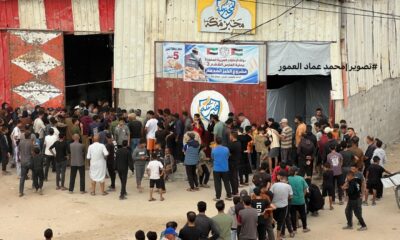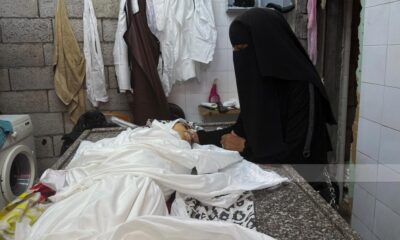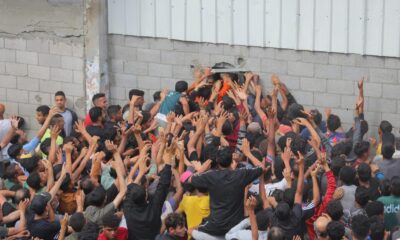
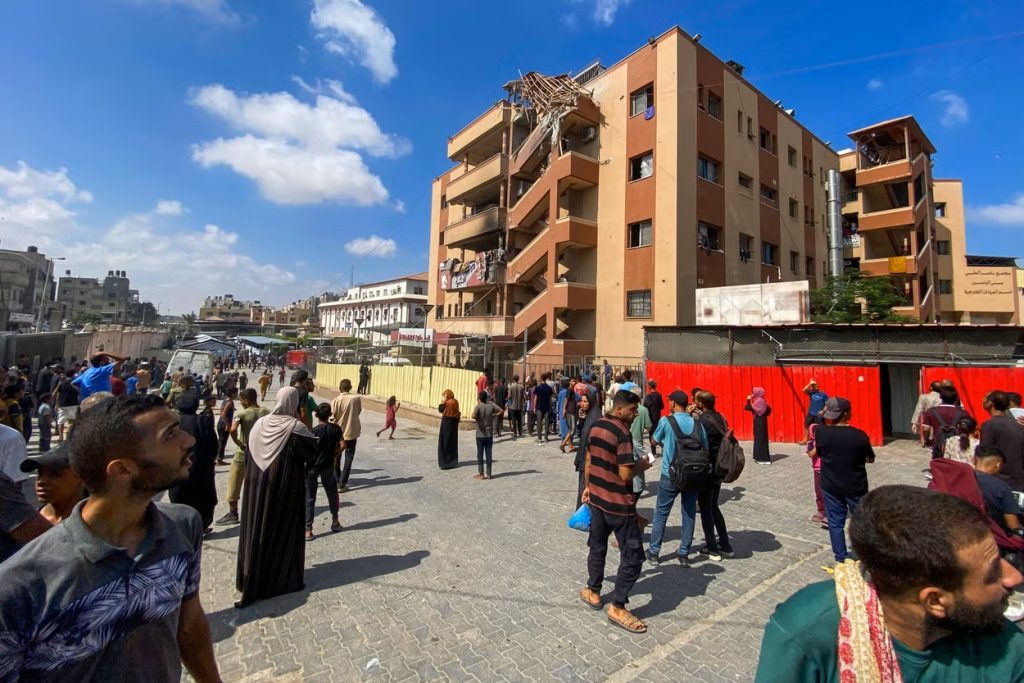
GAZA, (Palestine Foundation Information Center), Gaza’s health crisis continues to deepen as Israeli restrictions obstruct the entry of medicines, medical supplies, and fuel, while Israeli attacks have damaged health facilities across the Strip. Most hospitals are operating at only partial capacity, as international and humanitarian organizations warn of grave consequences for the lives of more than two million Palestinians.
The World Health Organization (WHO) confirmed that restrictions imposed by Israeli authorities on the entry of humanitarian aid and medical supplies into Gaza are hampering the health response and limiting medical facilities’ ability to meet the population’s growing needs.
The WHO said shipments of medical supplies remain stranded at the Kerem Shalom crossing after its teams unloaded them but were not granted the necessary authorization to collect the supplies and bring them into Gaza.
The stranded supplies include approximately 50 intensive care beds, along with 170 shipments of medicines and other critical medical supplies.
The restrictions come as Gaza’s health system faces severe shortages of medicines, medical supplies, equipment, and fuel, limiting its ability to provide essential care and placing further pressure on hospitals and health centers already operating under extremely difficult conditions.
Medical Aid for Palestinians (MAP) has also warned that Gaza’s humanitarian and health crisis continues to deteriorate amid ongoing killings, attacks on health facilities, and severe shortages of essential supplies.
MAP said hospitals across Gaza continue to face acute shortages of medicines, fuel, and medical supplies, preventing the health system from recovering and restoring essential services to the population.
According to MAP, only 35 of Gaza’s 57 hospitals are partially functioning, while not a single hospital is operating at full capacity, underscoring the scale of the destruction inflicted on the health system.
The organization also said Israeli forces have advanced beyond what is known as the “Yellow Line” and now control approximately 70% of the Gaza Strip, while more than two million Palestinians face restrictions preventing them from accessing their homes and essential services.
MAP said Israeli attacks and restrictions on access to health facilities forced the organization to suspend its neonatal intensive care unit project at Kamal Adwan Hospital and relocate a rehabilitation project from the European Gaza Hospital to Nasser Hospital.
These developments are widening the gap between Gaza’s rapidly growing health needs and the ability of medical facilities to respond, particularly as restrictions on essential supplies continue, health infrastructure remains severely damaged, and hospitals lack the resources needed to operate.
WHO Regional Director for the Eastern Mediterranean Dr. Hanan Balkhy also warned that continuing Israeli restrictions on medical aid are obstructing Gaza’s health response, stressing that the deterioration is not caused by attacks alone but also by restrictions preventing Palestinians from accessing health services.
Balkhy warned that the spread of disease in Gaza could pose a threat to the wider region as health and humanitarian conditions deteriorate and restrictions on access to medical supplies and services continue.
In response to the worsening crisis, Medical Aid for Palestinians called for the suspension of arms sales to Israel, including components for F-35 fighter jets, an end to military cooperation, and the suspension of the UK-Israel trade agreement.
The warnings from the WHO and MAP point to a health crisis that extends far beyond shortages of medicines and medical supplies. Gaza’s hospitals themselves are struggling to remain operational and provide care as restrictions on essential supplies persist and the health needs of more than two million Palestinians continue to grow.