GAZA, (Palestine Foundation Information Center), The Euro-Mediterranean Human Rights Monitor warned on Wednesday that Israel continues to deprive children who have lost limbs in the Gaza Strip of specialized medical treatment and the means to live with dignity by restricting medical evacuations and undermining rehabilitation services, prolonging their suffering far beyond the injuries they sustained during the war.
In a press statement, the Geneva-based rights organization said 1,134 cases of amputations among Palestinian children had been reported, arguing that causing such injuries and subsequently obstructing access to treatment forms part of Israel’s ongoing genocide against Palestinians in Gaza.
Euro-Med warned that Israeli restrictions on patient travel and obstacles to medical evacuation are preventing injured children from receiving specialized treatment abroad, while Gaza faces severe shortages of prosthetic limbs, qualified specialists and functioning rehabilitation facilities.
The organization said the collapse of rehabilitation services is compounding the consequences of children’s injuries and significantly reducing their chances of recovering mobility and independence.
Widening gap between injuries and treatment
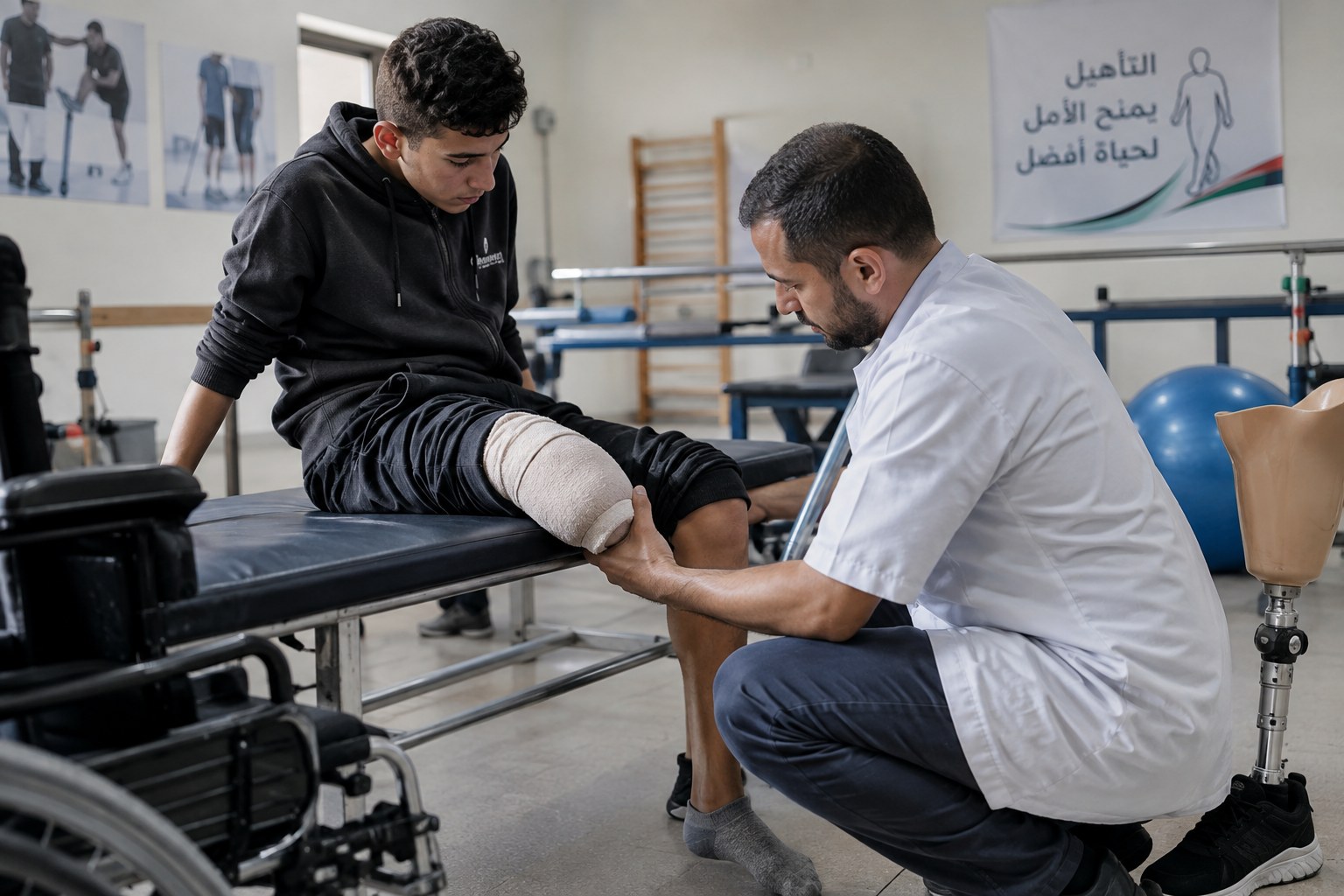
According to Euro-Med, only around 500 people have received prosthetic limbs out of approximately 2,300 cases assessed, highlighting the substantial gap between available treatment and the scale of demand. The organization also noted that only eight prosthetics and orthotics specialists are working in Gaza.
The figures are based on a World Health Organization (WHO) update published in May 2026 and cover amputees of all ages, not exclusively children. The WHO documented 2,277 amputees assessed between September 2024 and May 2026, with 502 prosthetic limbs fitted during that period.
Children accounted for 18% of those assessed, while only eight prosthetics and orthotics specialists were available to provide services across the territory. The figures underscore that amputation surgery is only the beginning of a lengthy treatment process.
Patients require continuous follow-up care, rehabilitation, assistive devices and specialized support to regain mobility and independence. However, restrictions on medical supplies and the limited capacity of rehabilitation services have severely undermined their prospects for recovery.
In May, the WHO reported that none of Gaza’s rehabilitation facilities was operating at full capacity and that more than 400 patients were waiting for specialized rehabilitation beds.
The organization warned that prematurely discharging patients because of pressure on medical facilities interrupts their recovery and increases the risk of permanent disability.
The crisis extends beyond shortages of funding and qualified personnel to restrictions on the entry of essential rehabilitation equipment.
According to the WHO, no equipment for establishing or equipping rehabilitation facilities entered Gaza between May 2024 and mid-April 2026.
Meanwhile, 18 shipments of rehabilitation supplies, including wheelchairs, prosthetic limbs and other essential equipment, were awaiting approval for entry.
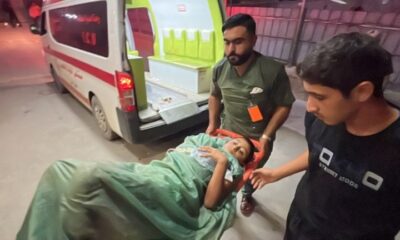
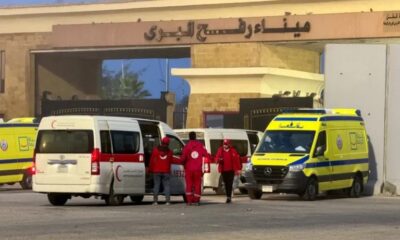
These conditions leave injured children facing two simultaneous obstacles: inadequate rehabilitation services inside Gaza and restrictions preventing them from traveling abroad for specialized treatment.
As a result, waiting for medical evacuation has become part of their daily suffering, while their chances of recovery remain dependent on reopening treatment routes, allowing essential supplies into Gaza and restoring the capacity of healthcare institutions.
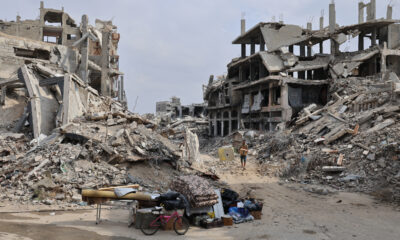
The needs are even greater amid widespread displacement and the destruction of infrastructure. In a report published in September, the UN Office for the Coordination of Humanitarian Affairs (OCHA) stressed the importance of expanding rehabilitation and assistive-device services for children.
It also called for adequate transportation, qualified personnel, safe and accessible facilities, and psychosocial support to address the needs of children with disabilities.
Loss of parental care compounds suffering
Euro-Med also warned that the loss of parental care is worsening the conditions faced by children with amputations. The organization cited figures indicating that 71,846 children in Gaza had lost one or both parents as of October 2026.
According to data attributed to Gaza’s Ministry of Social Development, the figure includes children who have lost either one parent or both parents. It does not mean that all 71,846 children have lost both parents, nor does it refer exclusively to children with amputations.
Losing one or both parents adds further challenges for injured children, including securing transportation to medical appointments, maintaining rehabilitation schedules and obtaining daily care.
These difficulties are compounded when families and caregivers are themselves struggling with displacement, poverty, homelessness and the loss of income.
Euro-Med also referred to findings by the UN Independent International Commission of Inquiry on the Occupied Palestinian Territory concerning the targeting of children and the destruction of the Palestinian community’s future.
In a report published in June 2026, the commission concluded that there were reasonable grounds to believe that harm inflicted on children formed part of a deliberate strategy to destroy the future of Palestinians in Gaza.
The commission linked attacks affecting children to damage to the Palestinian group’s biological and social continuity, stressing that much of the harm was not incidental.
The rehabilitation crisis also comes as Palestinian children continue to be killed and injured despite the announcement of a ceasefire.
During an October briefing, the UN Children’s Fund (UNICEF) reported that more than 340 children had been killed since the ceasefire was announced, while hundreds of others had been wounded.
Euro-Med called on the international community to impose an arms embargo on Israel and hold it accountable for unlawful attacks.
It also urged international organizations to ensure the protection of injured children and amputees, secure regular humanitarian access to Gaza and press Israel to lift restrictions on medical evacuations for children requiring treatment abroad.
The organization warned that without urgent measures to restore rehabilitation services, facilitate medical travel and ensure the entry of essential equipment, thousands of Palestinian children risk facing lifelong disabilities and reduced opportunities for recovery.