
GAZA, (Palestine Foundation Information Center), Anas Ibrahim, the general coordinator of the Global Campaign to Boycott Israel and its Supporters, Qati, reported that the campaign is preparing to launch a series of concentrated boycott campaigns targeting the most prominent consumer products associated with the month of Ramadan, which begins next week, as part of escalating economic pressure on Israel and the companies that support it.
Ibrahim explained that the upcoming campaigns will include well known food products, beverages, and Ramadan juices, and will be implemented in a manner tailored to each country, taking into account differences in consumer habits and popular products from one society to another.
He added in an interview with Felesteen newspaper on Monday that the national campaigns operating under the umbrella of Qati possess precise knowledge of the local market and of the companies involved in supporting Israel, which enables the effective targeting of boycotts, highlights safe alternatives, and supports local products.
He clarified that the goal of these efforts is to create a real impact in isolating Israel, increasing the cost of its crimes, and reinforcing its global rejection, alongside supporting the Palestinian people, national products, and clean alternatives that are free of any connection to Israel or its economic system.
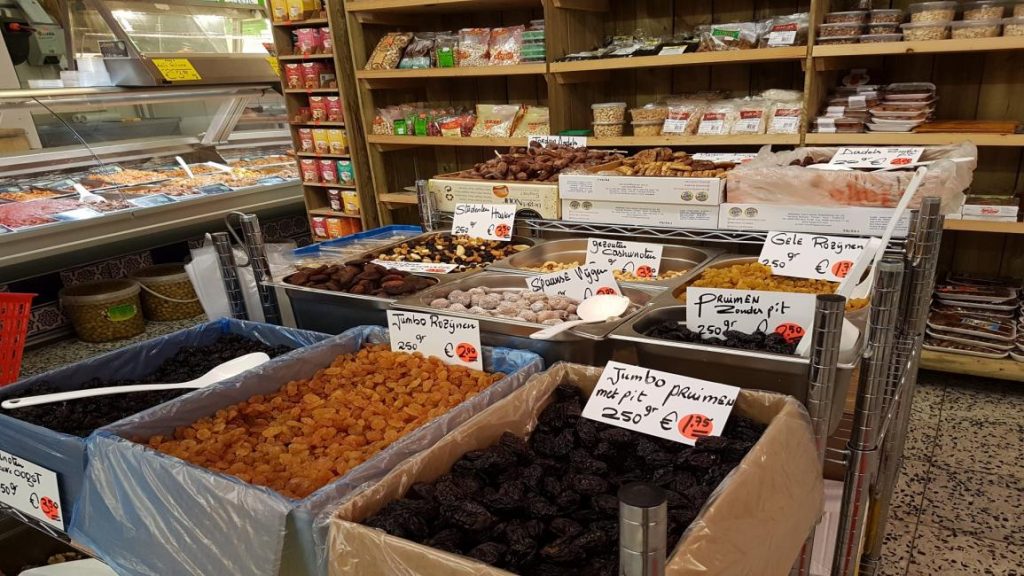
Ibrahim pointed out that Qati launched, approximately two weeks before the month of Ramadan, a wide global campaign to boycott Medjool and Majhool dates, as part of continuing the path of economic pressure and alerting Arab and Islamic audiences, as well as free people around the world, to attempts by Israel to circumvent the boycott through manipulating the country of origin, packaging, and marketing to promote its products.
He explained that the campaign tools varied between awareness raising, media, emotional, and collaborative efforts, focusing on highlighting the impact achieved by economic boycott as one of the most important forms of practical support for Palestine. This was in addition to educating consumers on the importance of checking barcodes and country of origin, and encouraging them to prioritize national products and local dates, given the availability of Arab and Islamic alternatives, and even alternatives from countries not involved in supporting Israel.
Ibrahim revealed that the campaign launched at the beginning of the current year what it called the Boycott Calendar, a systematic timeline plan to organize campaigns and direct efforts in a thoughtful and gradual manner, by defining clear time periods to target specific products, ensuring sustained public momentum and achieving the greatest possible impact. He added that the campaigns also focused on highlighting the economic losses suffered by companies that support Israel, with the aim of motivating the public and strengthening confidence in the effectiveness of the boycott.
Wide popular response
Regarding the level of public interaction, Ibrahim said that the response included various consumer sectors, noting widespread engagement across the Arab and Islamic world, as well as Europe, America, Asia, and Africa. He explained that products of Israel and companies supporting it have become socially rejected goods, viewed as ethically and humanely forbidden, and even religiously prohibited among wide segments of society.
He added that any company proven to be involved in supporting Israel, financially, politically, or through media, becomes a direct target of the boycott, turning these campaigns into a real burden on companies allied with Israel and disrupting their marketing and advertising plans. He pointed out that some advertising campaigns were met with angry reactions and resulted in counterproductive outcomes that increased public outrage.
He noted that a number of celebrities who participated in promoting these products were subjected to wide boycott and criticism campaigns on social media, which damaged their public image, indicating growing public awareness and sensitivity toward any form of complicity with Israel.
Divergence in official positions
At the level of official interaction, Ibrahim pointed to a clear divergence, explaining that boycott is a legitimate and legally protected right under international law, yet activists in the United States and some European countries face legal and administrative prosecutions due to the influence of the Zionist lobby and its political and media pressure.
In contrast, he affirmed that other European countries, along with most Arab and Islamic countries, are witnessing a more open environment toward boycott campaigns, allowing civil society and trade unions to operate with greater freedom. He highlighted the emergence of significant positions in recent periods, represented by strikes and movements by port workers in several countries who refused to turn their ports into bridges for transporting weapons or supplies to Israel.
He referred to positions witnessed in ports in Spain, Italy, Belgium, Greece, Chile, and South Africa, considering them an expression of a living human conscience and a victory of moral values over political pressure. He noted that popular pressure contributed to pushing some governments to adopt more advanced positions, such as labeling settlement products or banning their import, and terminating contracts with companies involved in supporting Israel.
A long-term strategic option
In the context of the impact of the boycott, Ibrahim said that before the war of genocide, Israel was seeking to entrench itself as a normal entity in the region, but the war exposed its brutality and showed that it poses an existential threat to the entire region, which removed masks and deepened its political and moral isolation.
He explained that boycott campaigns have expanded globally to the point that they now represent one of the most dangerous existential challenges facing Israel, referring to reports that spoke of the cancellation of a massive marketing campaign estimated at approximately 300 million dollars to promote Medjool and Majhool dates, following the failure of attempts to circumvent the boycott and a sharp decline in demand.
Ibrahim confirmed that economic boycott is likely to continue and escalate, and should be transformed into a strategic option adopted by civil society and human rights institutions, trade unions, and activists, with the aim of isolating Israel and stripping it of any political or moral legitimacy. He added that the boycott will remain a duty even after the war stops, because it is a long struggle path that will not end until the Israeli occupation ends.
He called on the masses of the Arab and Islamic nation and free people around the world to make boycott a way of life and daily behavior, warning that Israel, even if it changes its methods, will not stop its crimes as long as its policy is based on injustice and aggression.
Ibrahim concluded by noting that the Qati campaign was established in October 2023 in response to global popular protests, and within a short period managed to transform into a specialized reference in economic boycott and a platform for coordinating efforts and launching qualitative initiatives.
He explained that the campaign expanded to more than 15 countries and contributed, alongside other campaigns, to the closure or decline in performance of branches of major companies that support Israel, such as Carrefour, McDonald’s, and Starbucks, in a number of countries, confirming that boycott has today become an organized action.