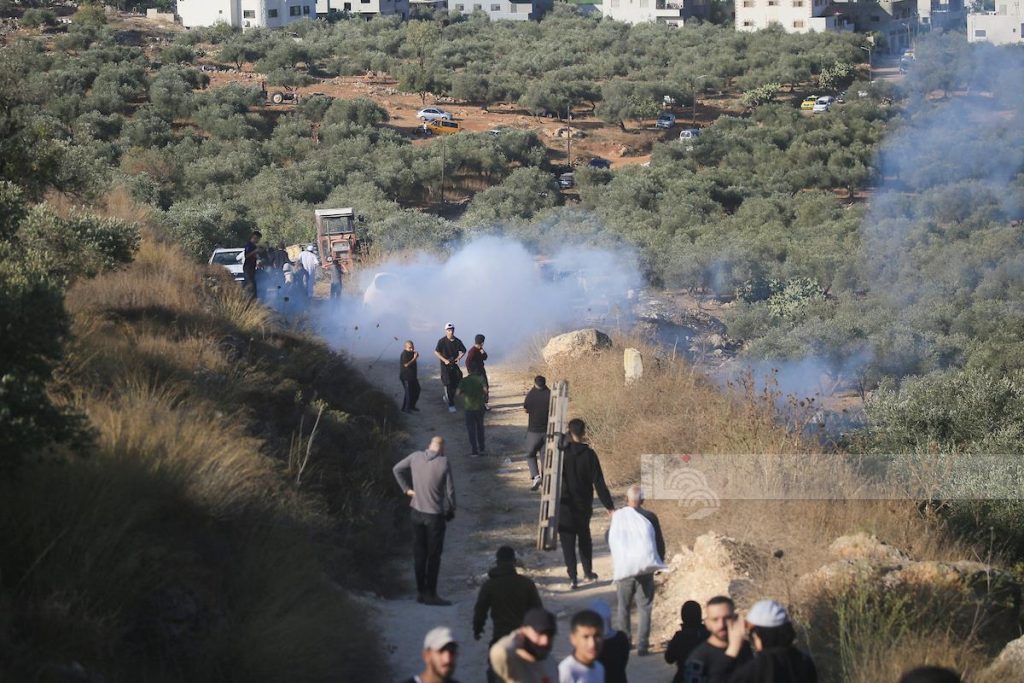
WEST BANK, (Palestine Foundation Information Center), The Israeli occupation forces (IOF) and settlers carried out 11 attacks against Palestinian olive harvesters and their farmland across five governorates in the occupied West Bank within just 12 hours, assaulting farmers, stealing agricultural equipment, damaging olive trees, and preventing families from accessing their land as the annual harvest season comes under increasing threat.
The Wall and Settlement Resistance Commission documented the attacks in a statement issued Sunday, reporting that they occurred between 6 a.m. and 6 p.m. and involved physical assaults resulting in injuries, theft of agricultural property, damage to vehicles and trees, and restrictions preventing Palestinian farmers from completing their harvest.
The attacks coincided with Israeli land-clearing operations targeting olive groves to construct settlement roads and expand existing settlement outposts, raising concerns that the assaults are part of broader efforts to consolidate Israeli control over Palestinian agricultural land.
Israel expels 14 international activists supporting Palestinian farmers
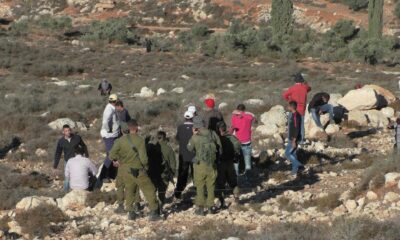
The escalation also coincided with an Israeli decision to expel 14 international solidarity activists after arresting them while they were supporting Palestinian farmers near the village of al-Lubban al-Gharbi, northwest of Ramallah.
The activists came from the United States, Italy, Ireland, Switzerland, Portugal, the Netherlands, and Australia.
Their expulsion comes amid increasing Israeli restrictions on international activists who accompany Palestinian farmers during the olive harvest, document Jewish settler attacks, and provide a protective presence in communities facing repeated assaults.
The commission warned that targeting international solidarity activists alongside Palestinian farmers further undermines efforts to protect agricultural communities and ensure their safe access to their land.
Ramallah and Salfit: Farmers beaten, property stolen and olive groves damaged
In the Ramallah and al-Bireh governorate, Jewish settlers attacked Palestinian olive harvesters in the town of Kafr Malik after entering privately owned farmland.
The settlers physically assaulted the farmers, forced them to leave their land, and smashed the windows of a Palestinian-owned vehicle.
In Burqa, settlers released their livestock into agricultural fields, damaging trees, and stole a donkey belonging to a local farmer.
In al-Mughayyir, settlers entered farmland in the eastern plain and al-Dhahrat area, where they used a tractor belonging to settler Avitar Karwa to cultivate privately owned Palestinian land while preventing its owners from accessing it.
Settlers also released their livestock into olive groves near the home of Hajj Abu Atta, causing further damage to agricultural land.
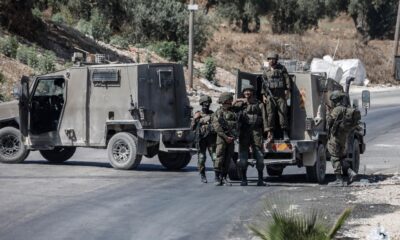
In the Salfit governorate, the IOF forced farmers in Yasuf to leave their land in the Bab Israb area, preventing them from completing the olive harvest.
At the same time, Israeli bulldozers began clearing tree-covered agricultural land in the al-Hariqa area in preparation for the construction of a settlement road.
Jewish settlers also attacked farmers in the western area between Deir Istiya and Qarawat Bani Hassan, beating them and causing bruises before stealing their agricultural equipment.
Bethlehem and Nablus: Attacks on harvesters and destruction of olive land
In the Bethlehem governorate, Palestinian farmers came under attack from Jewish settlers while harvesting olives near the entrance to Marah Rabah.
Other settlers assaulted Palestinians from Beit Fajjar while they were working in the Wadi Saif area in the southern part of the governorate.
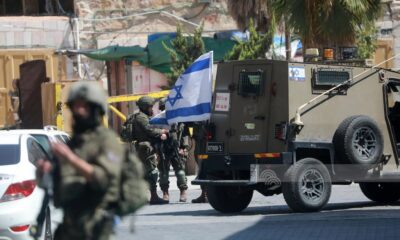
In al-Minya, IOF stormed agricultural fields and detained Palestinian resident Mohammed Yasser while he was working on his land, disrupting farming activities and restricting farmers’ movement during the harvest season.
In the Nablus governorate, Israeli bulldozers began clearing land planted with olive trees west of the settlement outpost established on Jabal Sbeih in Beita, south of Nablus.
According to the commission, the work is intended to expand the outpost and extend Israeli control over surrounding Palestinian agricultural land.
In the village of Salem, Jewish settlers expelled several farmers from their land in the Najmat Salem area, preventing them from continuing to harvest their olives.
Al-Khalil: Settlers attack Palestinian family in Masafer Yatta
In the al-Khalil governorate, Jewish settlers attacked members of the Ubaid al-Masri family while they were harvesting olives in the al-Rahiniya area of Masafer Yatta.
The assault was aimed at forcing the family to leave its land and preventing its members from completing the harvest, according to the commission’s account.
For Palestinian families whose livelihoods depend on olive cultivation, such attacks threaten not only their immediate income but also their ability to maintain access to agricultural land that has sustained their communities for generations.
Commission warns attacks are part of wider land seizure efforts
The Wall and Settlement Resistance Commission warned that the continuing attacks during the olive harvest demonstrate a direct connection between assaults on Palestinian farmers and Israeli plans to expand settlement control over Palestinian land.
The commission stressed that these incidents go beyond isolated or seasonal attacks, describing them as part of efforts to impose new realities on the ground and gradually deprive Palestinians of access to their property.
It pointed specifically to the clearing of olive groves for a settlement road in Yasuf, the expansion of the settlement outpost on Jabal Sbeih in Beita, and attempts by settlers to cultivate privately owned Palestinian land in al-Mughayyir.
According to the commission, these practices represent increasingly direct forms of land seizure and changes in land use that ultimately prevent Palestinian owners from benefiting from their property.
The commission also warned that physical assaults on farmers, theft of agricultural equipment, destruction of olive trees, and the expulsion of international solidarity activists are collectively weakening Palestinians’ ability to protect and cultivate their land.
It cautioned that continued restrictions on access to agricultural areas could turn temporary barriers into permanent exclusion, allowing Israeli settlement expansion to consolidate control over Palestinian farmland.
The commission called on the international community to fulfill its responsibilities by intervening to stop attacks by IOF troops and settlers, ensuring the protection of Palestinian farmers and their right to safely access their land, and ending the targeting and expulsion of international activists who accompany them.