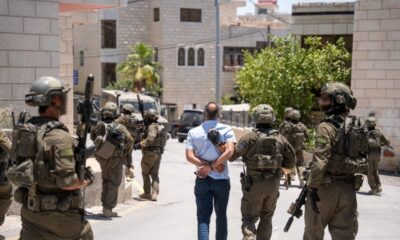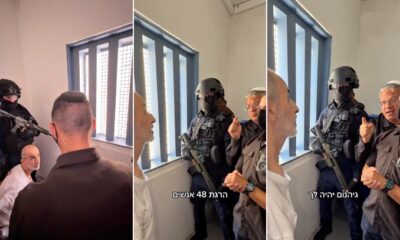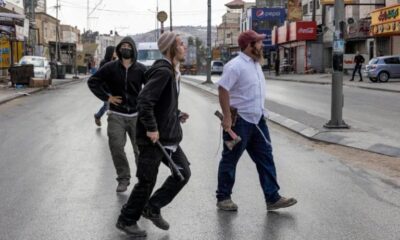
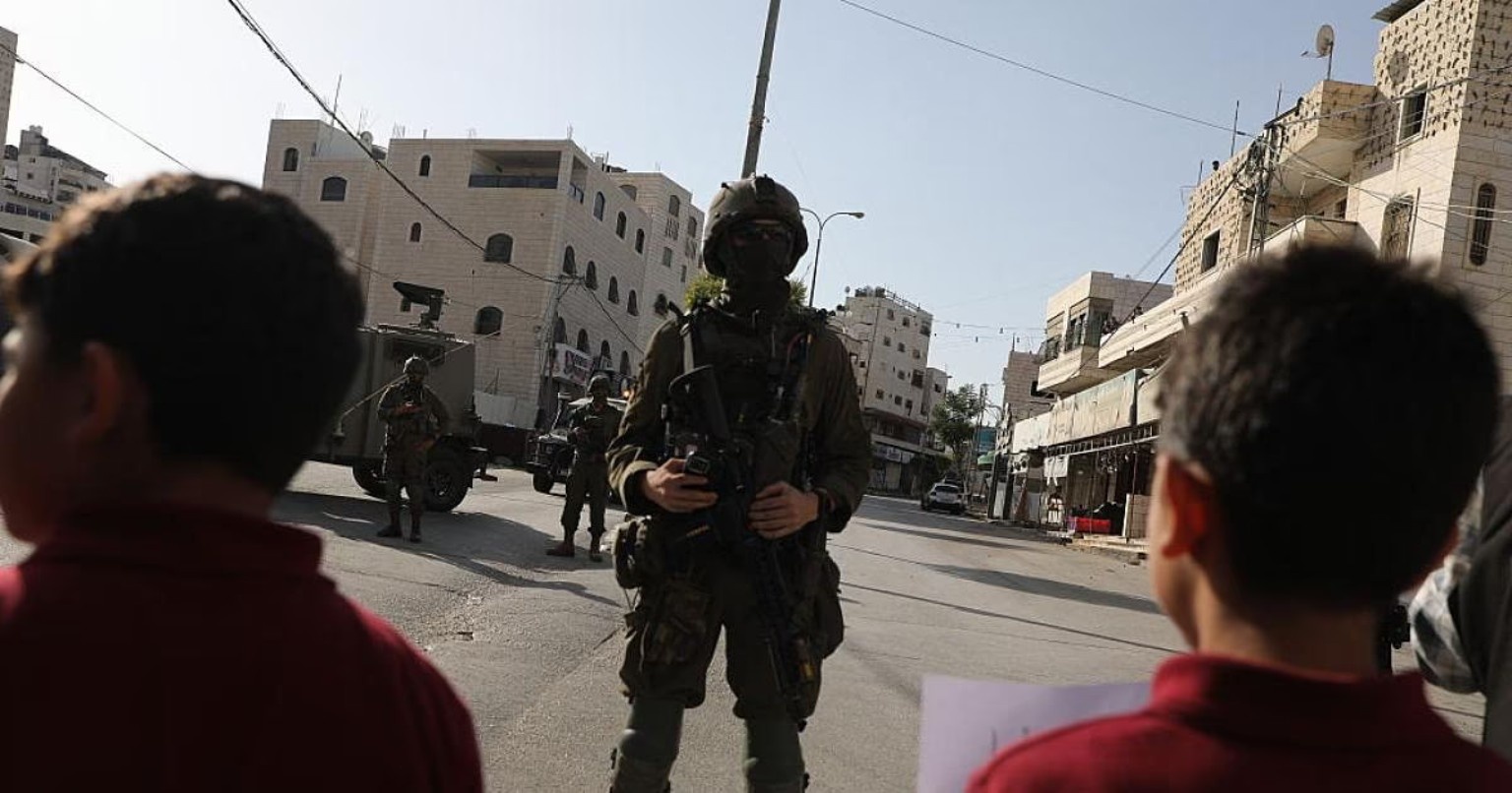
AL-KHALIL, (Palestine Foundation Information Center), Israeli occupation forces (IOF) withdrew from neighborhoods across the city of al-Khalil in the southern occupied West Bank early Monday, ending a 10-day military operation that displaced hundreds of Palestinian families, caused widespread destruction and deprived approximately 80,000 students of in-person education.
Al-Khalil Mayor Yousef al-Jabari said IOF withdrew from all neighborhoods at around 6:00 a.m., allowing displaced residents to begin returning to their homes and assessing the damage left behind.
According to al-Jabari, Israeli forces converted approximately 540 homes and residential units into military barracks during the operation, while bulldozing roads, damaging infrastructure, destroying vehicles and causing extensive damage to residential properties.
He said the municipality would begin assessing the destruction and documenting losses across various sectors as daily life gradually resumes, including the return of students to schools and universities following days of disruption caused by military raids and road closures.
Hundreds of families displaced
The Israeli military operation began on October 23 following a shooting attack targeting a military checkpoint at the city’s northern entrance, killing two Israeli soldiers and wounding three others. The two Palestinian attackers were subsequently killed by Israeli forces.
During the operation, Israeli forces imposed a sweeping siege on large parts of al-Khalil, particularly the neighborhoods of al-Jalda, Ein Deir Baha and Khallet al-Maghariba.
Troops closed roads and entrances, raided and searched homes, and seized residential buildings, converting some into military positions and observation posts while forcing hundreds of Palestinian families to flee.
According to figures from al-Khalil Municipality and local relief committees, 537 families comprising approximately 3,361 Palestinians were displaced from their homes.
Israeli forces also demolished residential buildings and other structures, damaged infrastructure and main roads, and closed 327 commercial establishments.
Direct economic losses resulting from the closures exceeded 12 million shekels per day, alongside extensive damage to infrastructure and essential services.
As IOF withdrew Monday, displaced families began returning to affected neighborhoods, where they faced damaged homes, destroyed property and uncertainty over the scale of reconstruction needed.
80,000 students deprived of education
The military operation also severely disrupted education across al-Khalil Governorate. The General Union of Palestinian Teachers reported that approximately 80,000 students were deprived of in-person education, with classes suspended at 220 schools, including public, private and UN Relief and Works Agency for Palestine Refugees (UNRWA) schools.
The affected schools are concentrated in the central al-Khalil education district, where students were unable to attend classes during the previous week because of military restrictions and road closures.
The union said displacement had also left some children without their textbooks and school supplies, while teachers faced serious difficulties and safety risks traveling to their workplaces amid military checkpoints and closed roads.
In one incident, Israeli forces detained 10 teachers from Janba Coeducational Elementary School in the Masafer Yatta area, south of al-Khalil, along with their vehicle, for several hours.
The detention prevented the teachers from reaching the school on time and left students waiting in uncertainty.
The teachers’ union condemned the road closures and restrictions affecting educational staff and students, describing them as violations of the right to education and measures that undermine Palestinians’ ability to maintain normal lives in their communities.
Calls for international action
The General Union of Palestinian Teachers called for a broad international trade union and human rights campaign, led by Education International and its affiliated unions worldwide, to pressure Israeli authorities to end violations affecting education in al-Khalil and Masafer Yatta.
The union urged international labor organizations and institutions to contact governments, parliaments and diplomatic missions to demand the reopening of closed roads, the protection of students and teachers, and guarantees that Palestinians can access education and employment safely and with dignity.
It also called for an international trade union and human rights delegation to visit al-Khalil and Masafer Yatta, document violations, hear testimonies from affected residents and submit findings to relevant international bodies to support accountability.
The union stressed that international solidarity must translate into practical measures to end Israeli military restrictions, ensure the safe return of displaced families and allow schools to resume normal operations.
Economic losses and lasting damage
Beyond displacement and disruption to education, the military assault dealt a severe blow to al-Khalil’s economy.
The closure of commercial establishments, restrictions on movement and disruption of transportation prevented businesses from operating normally, obstructed the movement of goods and workers, and intensified the financial difficulties facing Palestinian families.
The closure of 327 businesses and estimated daily losses exceeding 12 million shekels illustrate the scale of the economic damage caused during the operation.
The military measures also affected essential services and public infrastructure, leaving municipal authorities facing extensive repair and reconstruction work.
Although Israeli forces have withdrawn from the city’s neighborhoods, the consequences of the operation remain evident in damaged homes, disrupted livelihoods and the difficulties facing families seeking to rebuild their lives.
The assault came amid broader Israeli military escalation across the occupied West Bank, including raids, arrests, home demolitions and attacks on Palestinians and their property.
As residents return to their neighborhoods and educational institutions begin reopening, local authorities face the challenge of restoring essential services, assessing losses and helping displaced families regain stability after 10 days of military operations.