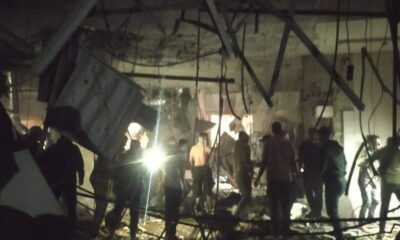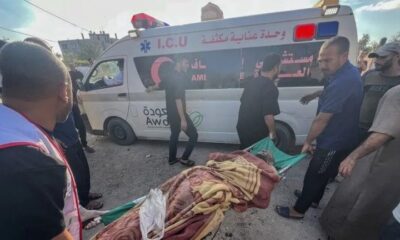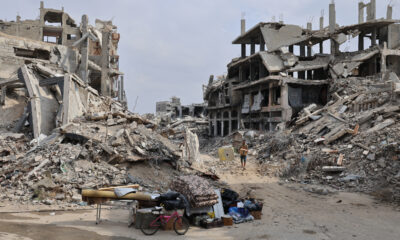
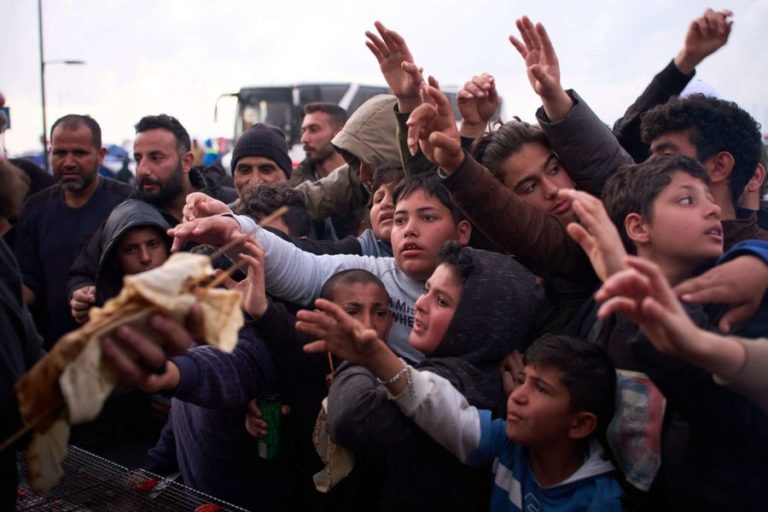
BEIRUT, (Palestine Foundation Information Center), More than one million people in Lebanon are facing crisis-level food insecurity or worse as the consequences of Israeli attacks continue to devastate the agricultural sector, damage vast areas of farmland, and prevent farmers from accessing their land and sources of income.
An Integrated Food Security Phase Classification (IPC) analysis published Wednesday found that approximately 1.05 million people, representing 21% of the population assessed, are expected to face crisis-level food insecurity or worse through February 2027.
The analysis projected that the number would rise to approximately 1.15 million people, or 24%, by mid-2027. The number of people experiencing emergency levels of food insecurity is also expected to nearly double, from 52,000 to 97,000.
The World Food Program (WFP) warned that Lebanese households have exhausted many of their options for coping with deteriorating living conditions. Savings have been depleted, debts have accumulated, and families have reduced spending, leaving many unable to meet their basic food needs without humanitarian assistance.
Allison Oman Lawi, WFP’s representative and country director in Lebanon, warned that families that have exhausted their coping mechanisms are increasingly vulnerable to slipping into more severe levels of food insecurity, even in the event of relatively minor additional shocks.
Southern Lebanon, Akkar, and Baalbek-Hermel among hardest-hit areas
The analysis, conducted by Lebanon’s Ministry of Agriculture in September in cooperation with the Food and Agriculture Organization (FAO) and WFP, identified southern Lebanon, Akkar, and Baalbek-Hermel as the areas facing the most severe conditions.
The destruction of agricultural land and rising production costs have significantly reduced rural household incomes, deepening food insecurity in communities already struggling with the consequences of the conflict.
FAO Representative in Lebanon Veronica Quattrola called for urgent support to help farmers recover their productive assets, resume agricultural activities, and protect their livelihoods.
The analysis also revealed significant disparities in food insecurity among different population groups.
People who arrived in Lebanon from Syria after December 2024 were the most severely affected, with 45% experiencing crisis-level food insecurity or worse.
The rate stood at 35% among Palestinian refugees, 28% among Syrian refugees who have lived in Lebanon for years, and 18% among Lebanese nationals.
The proportion of Lebanese nationals experiencing crisis-level food insecurity or worse is projected to increase to 21% by mid-2027.
Israeli attacks damage more than one-fifth of Lebanon’s agricultural land
Lebanese Agriculture Minister Nizar Hani previously told Anadolu Agency that Israeli military operations and occupation had damaged approximately 22.5% of the country’s agricultural land.
He said the damage affected nearly 52,000 hectares in the South and Nabatieh governorates, along with approximately 4,000 hectares in the Baalbek-Hermel region.
Southern Lebanon has also lost approximately 70% of its livestock resources, according to the minister.
Hani further alleged that Israel had used white phosphorus and sprayed the herbicide glyphosate over wooded areas near the border.
He said the Ministry of Agriculture had not yet been able to fully assess the damage because of difficulties accessing affected areas and collecting new samples of soil, crops, and water.
According to the report, Israeli attacks have killed approximately 4,400 people in Lebanon since March 2, 2026, and displaced hundreds of thousands more.
Israeli forces also remain present in parts of southern Lebanon, further complicating efforts to restore agricultural production and support affected communities.