GAZA, (Palestine Foundation Information Center), Pierre Krähenbühl, director-general of the International Committee of the Red Cross (ICRC), has warned that the humanitarian catastrophe in the Gaza Strip continues amid deteriorating living and health conditions, calling on the international community to fulfill its responsibilities toward the population and ensure the evacuation of patients who require medical treatment outside the enclave.
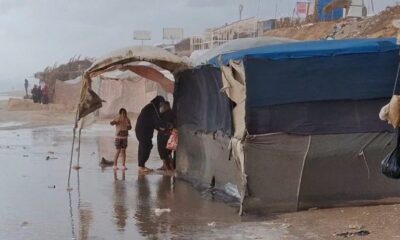
In an interview with Al Jazeera on the sidelines of the Global Security Forum in Doha, Krähenbühl described the conditions facing Palestinians in Gaza as “hell on earth,” pointing to their suffering in displacement tents amid shortages of medical care and water, as well as continuing fears for their lives and futures.
He also noted that Palestinian families still do not know the fate of missing relatives believed to be buried beneath the rubble, stressing the need for a stronger international response to the growing humanitarian needs in the Gaza Strip.
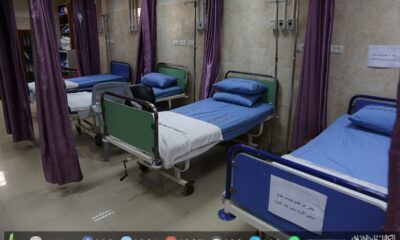
Regarding medical efforts, Krähenbühl explained that the ICRC’s field hospital provides lifesaving services, including maternity care and medical consultations, while the organization is also working to repair facilities that supply water to residents.
Despite these efforts, he emphasized that humanitarian organizations have the capacity to provide only the bare minimum of the assistance required.
He stressed that achieving sustainable improvements in living conditions requires political action that goes beyond humanitarian aid and relief operations.
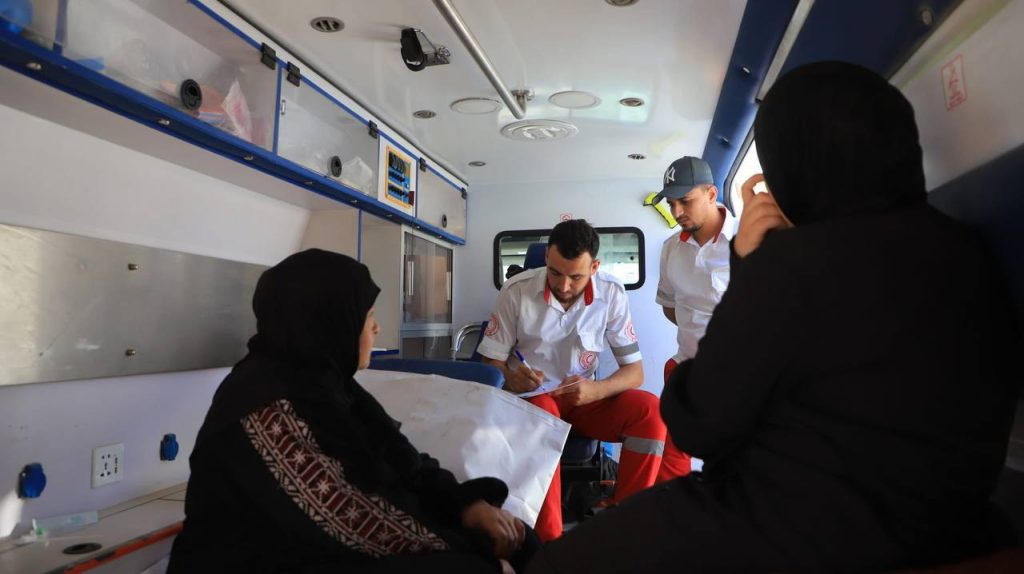
The ICRC director-general renewed his call to ensure that every patient receives the treatment they need and that those whose medical conditions require evacuation are allowed to leave Gaza to obtain appropriate care.
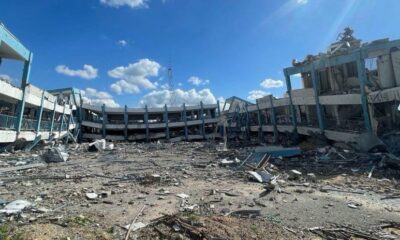
Krähenbühl attributed the declining availability of medical treatment in Gaza to the destruction of hospitals and the health system’s reduced capacity to provide services, despite the continuing efforts of health care workers, the Palestine Red Crescent Society, and the ICRC.
He also highlighted the suffering of hundreds of children living with long-term injuries and amputations, emphasizing the need for treatment, rehabilitation, and medical care in both the short and long term.
Concluding his warnings, Krähenbühl stressed the serious consequences of funding shortages affecting the humanitarian response.
He urged governments and donors to continue supporting relief operations in the Gaza Strip, where medical and humanitarian needs remain critical and suffering continues to spread among the population.