By Dr. Sabir Abu Marym
Secretary General, Palestine Foundation Pakistan
(Palestine Foundation Information Center), The concept of resistance is deeply rooted in history, yet its contemporary relevance is most vividly reflected in the evolving political and military landscape of West Asia. The post-World War II order, particularly the establishment of the State of Israel in 1948, fundamentally reshaped the region. Since then, recurring cycles of conflict, instability, and geopolitical maneuvering have defined the trajectory of West Asia, often linked to broader strategic visions such as the idea of a “Greater Israel” and initiatives associated with a reconfigured “New Middle East.”
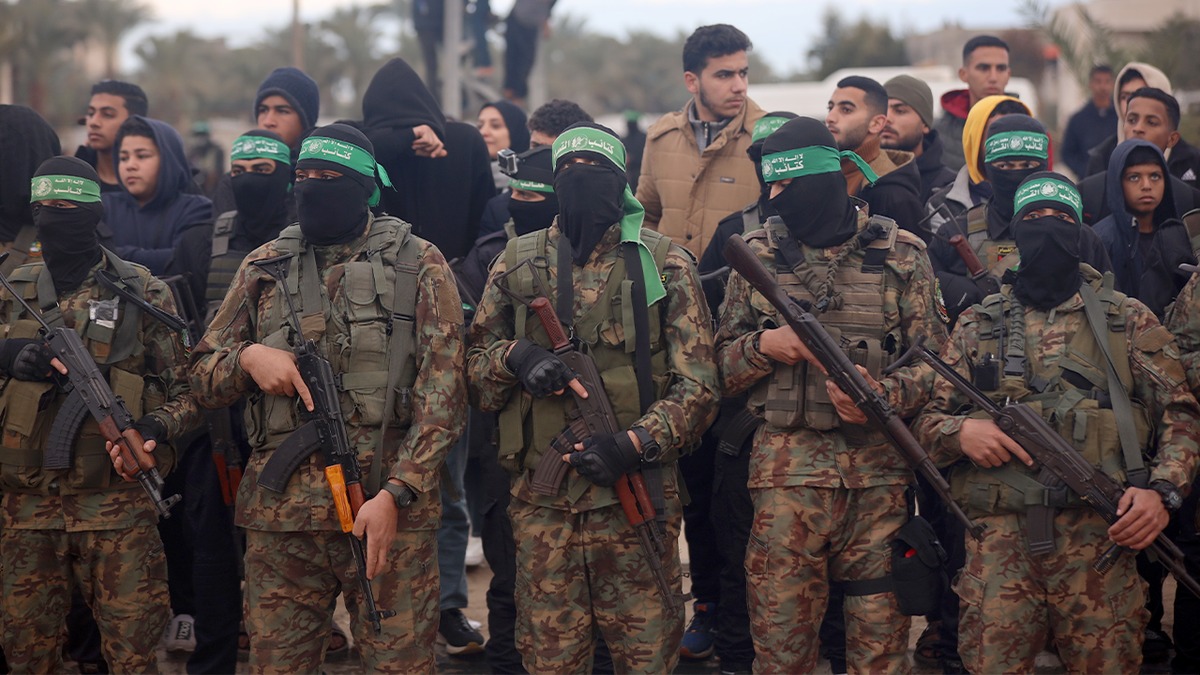
Within this context, resistance has emerged as a defining force. Despite Israel’s advanced military capabilities and consistent support from Western powers, it has not achieved decisive or uncontested dominance in the region. This raises an important question: why has overwhelming technological and military superiority not translated into lasting success? The answer lies in the persistence and evolution of resistance movements.
A pivotal moment in this trajectory was the Iranian Revolution of 1979, which significantly altered the balance of power and inspired new forms of political and ideological resistance across the region. Over the decades, this resistance has extended beyond Iran to Palestine, Lebanon,Syria, Iraq), and Yemen, manifesting in diverse forms but united by a shared opposition to external domination and occupation.
From 1982 to the present, resistance movements have repeatedly demonstrated their capacity to adapt and endure. They have acted as a counterweight to regional and international power structures, often preventing the realization of broader strategic ambitions attributed to dominant global actors. More recently, the developments associated with “Al-Aqsa Storm” have further underscored the shifting dynamics of conflict in the region, with implications extending beyond immediate battlefields to global political and economic systems.
The humanitarian dimension of these conflicts remains deeply concerning. InGaza, large-scale military operations have resulted in significant civilian casualties, widespread displacement, and severe infrastructural damage. Targeted killings of political and military leaders have further intensified tensions. Yet, despite these pressures, the Palestinian struggle for self-determination continues with notable resilience.
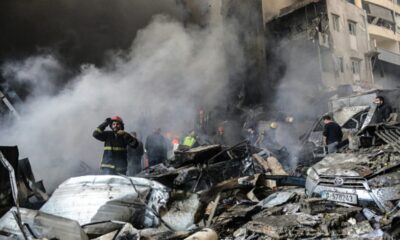
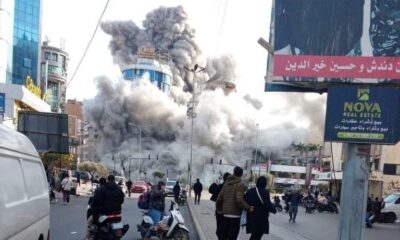
Lebanon presents a parallel case. In recent years, the country has faced sustained military pressure, including targeted strikes against Hezbollah leadership and infrastructure. Civilian populations have borne a heavy cost, with women and children among the primary victims. Reports of intensified aerial bombardments, particularly in urban centers such as Beirut, highlight the scale of destruction and the urgency of international attention.
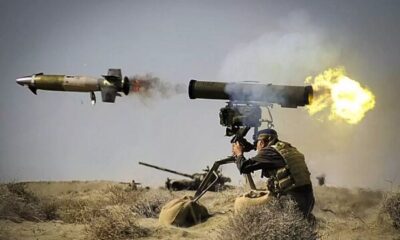
At the same time, resistance groups in southern Lebanon have demonstrated their ability to challenge Israeli ground operations, reportedly forcing tactical withdrawals in certain instances. While such claims are contested and require independent verification, they nevertheless reflect the broader perception of an ongoing and unresolved confrontation.
A notable aspect of the current situation is the limited and often muted response from the international community. The absence of a unified and decisive stance has raised questions about the effectiveness of global governance mechanisms in addressing protracted conflicts and protecting civilian populations.
Despite these challenges, the societies affected particularly in Palestine and Lebanon continue to exhibit remarkable resilience. Their persistence underscores a broader reality: resistance is not solely a military phenomenon but also a social, political, and moral force sustained by collective identity and lived experience.
In conclusion, the unfolding situation in West Asia highlights a complex interplay of power, resistance, and human endurance. While state and non-state actors continue to pursue their strategic objectives, the enduring presence of resistance suggests that the region’s future will remain contested. Whether through diplomacy, conflict, or a combination of both, the path forward will require a nuanced understanding of the forces at play and a renewed commitment to peace, justice, and stability.