RAMALLAH, (Palestine Foundation Information Center), The Detainees and Ex-Detainees Affairs Commission said on Wednesday that Palestinian prisoners in Israel’s Ofer military prison are living in extremely poor detention and health conditions that threaten their lives and bodily safety, amid the continuation of punitive and retaliatory policies imposed on them by the prison administration.
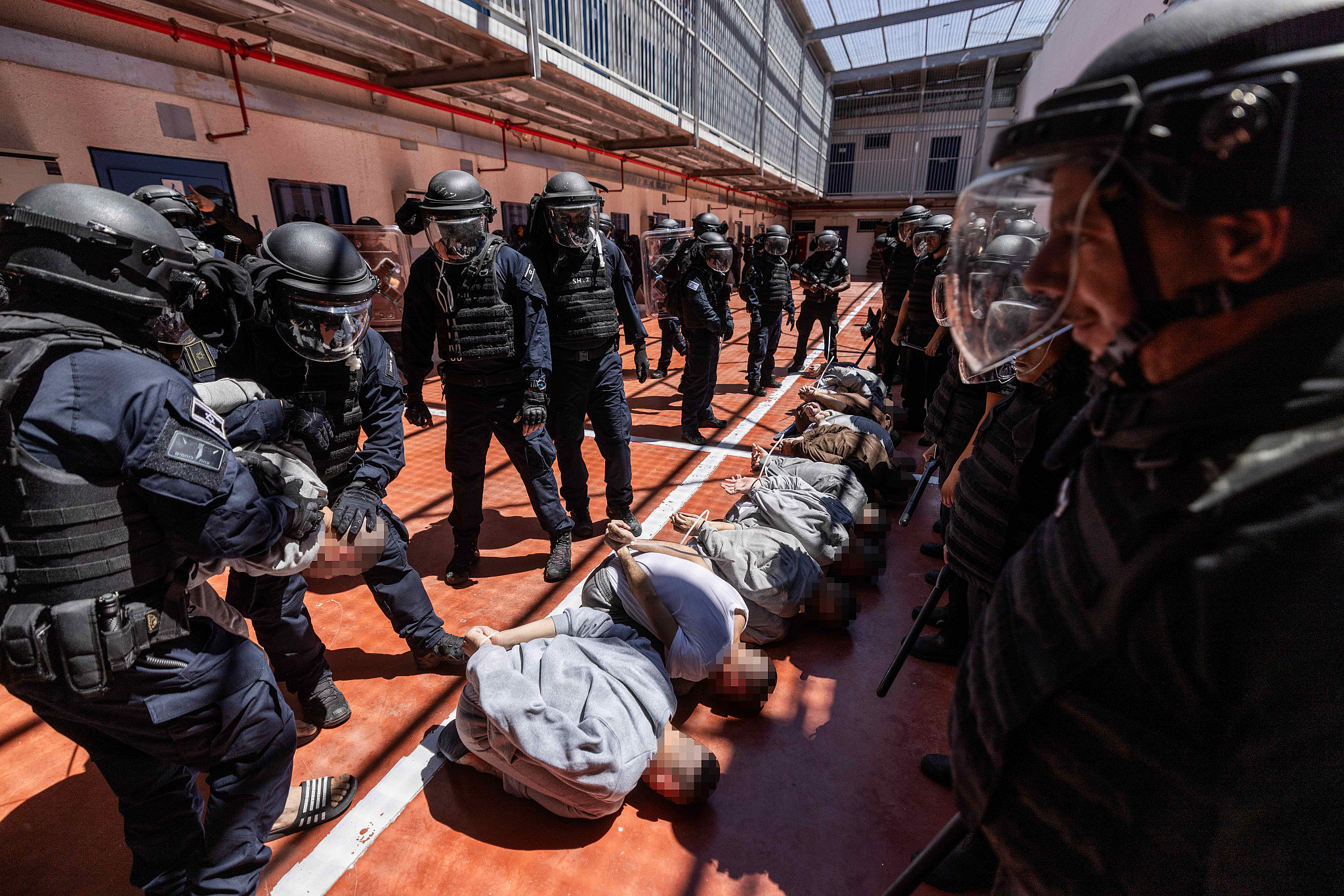
The Commission confirmed in a statement that Ofer prison administration practices ongoing violations against prisoners that have turned into daily practices, including providing poor food in terms of quantity and quality, depriving sick prisoners of medicines and treatments, and aggravating skin diseases, in addition to withdrawing mattresses in the early morning hours and returning them in the evening.
It clarified that prisoners are subjected to raids, beatings, abuse, cursing, and insults, and receive only 15 minutes for outdoor recreation and showering, while they lack adequate clothing and blankets, with each prisoner possessing only prison attire and pajamas, in addition to being deprived of cleaning and sterilizing tools.
Testimonies document violations
The Commission pointed out that these facts were documented by its lawyer during his recent visit to Ofer prison, where he met a number of prisoners and listened to their testimonies regarding the detention conditions and treatment they are subjected to.
It mentioned that the lawyer visited prisoners Mahmoud Aweiwei from al-Khalil, Musa A’mar and Mosa’b al-Wahadin from the town of Beit Ummar, Adam Atta from the town of Deir Abu Mash’al, and Hassan al-Bayedh from Fawwar camp.
Harsh conditions in Ganot
The Commission also revealed a dangerous deterioration in living and humanitarian conditions inside Ganot prison, pointing to continued beatings, suppression, and the absence of healthcare and basic personal supplies.
It reported that the prison administration allows prisoners to use the washing machine only once every 12 to 14 days, while underwear and outerwear are often not replaced, alongside ongoing assaults and the absence of healthcare.
It added that some rooms hold 12 prisoners for only 10 beds, forcing two prisoners to sleep on the floor, while the prison administration forces prisoners to sleep on their stomachs.
It pointed out that the prison administration withdraws mattresses following the morning headcount until the evening headcount, in addition to depriving sections of basic necessities, including razors and nail clippers, which prisoners are forced to share.
9,400 prisoners in Israeli prisons
The number of Palestinian prisoners in Israeli prisons, as of early August, reached about 9,400 prisoners, including 94 female prisoners, 350 children, and 3,244 administrative detainees, in addition to 1,320 detainees from the Gaza Strip whom occupation authorities classify as unlawful combatants, while the number of arrest cases since the start of the war on Gaza exceeded 24,600 cases.
Prisoners’ institutions documented the martyrdom of at least 91 prisoners whose identities are known inside Israeli prisons since October 2023, alongside dozens of detainees from Gaza whose detention conditions and fates remain unknown.
Calls for urgent international action
Palestinian human rights institutions confirmed that prisoners face escalating policies including starvation, reducing food and water quantities, deprivation of treatment, and the spread of diseases, as well as physical assaults, suppression operations, and the confiscation of personal belongings and copies of the Holy Quran.
Human rights institutions held the Israeli authorities responsible for these practices, considering that they constitute grave violations of prisoners’ rights, while pointing to Articles 32 and 85 of the Fourth Geneva Convention.
The Commission called on the International Committee of the Red Cross and international and humanitarian institutions to take urgent action to stop these violations, and to ensure the provision of basic rights to prisoners, primary among them medical treatment, clothing, food, and a suitable healthy environment.