By: Dr. Sabir Abu Maryam
Secretary-General, Palestine Foundation Pakistan
(Palestine Foundation Information Center), It was not the pro-Palestinian left that broke Washington’s bipartisan consensus in support of Israel; rather, it was the pro-Israel right. The year 2015 proved to be a major turning point. Then, as now, Iran was at the center of the dispute. When the Obama administration pushed for a nuclear agreement with Iran, the Israel lobby launched an unprecedented campaign against a highly popular Democratic president. AIPAC reportedly spent nearly $40 million lobbying against the nuclear deal.
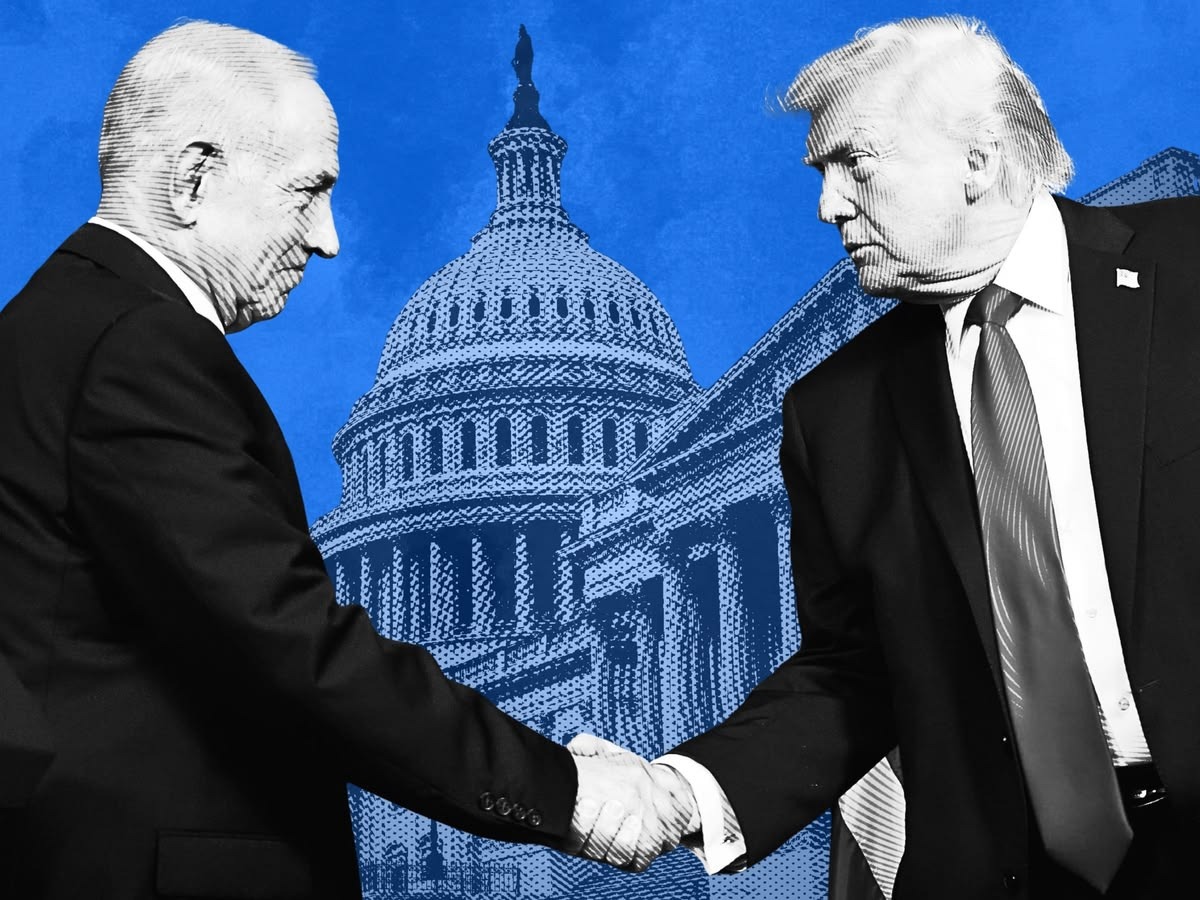
Republican House Speaker John Boehner invited Benjamin Netanyahu to address a joint session of Congress without informing President Obama in advance, a move widely viewed as a serious breach of political protocol and basic diplomatic courtesy. Standing at the podium, Netanyahu strongly criticized the Obama administration’s proposed nuclear agreement, warning that it would further destabilize the Middle East.
The Israeli lobby’s campaign failed to prevent the nuclear agreement. Instead, it exposed the remaining weakness of its supposedly bipartisan image. Pro-Israel groups increasingly began functioning openly as an extension of the Republican Party, particularly as some Jewish organizations moved away from presenting themselves as representative of the views of American Jews and increasingly aligned themselves with the priorities of right-wing wealthy donors.
Donald Trump’s first presidency deepened this political divide over Israel. He adopted a far more aggressively pro-Israel position than previous administrations, closing the PLO office in Washington, moving the US embassy to Jerusalem, and recognizing Israeli sovereignty over the Golan Heights. More than any pro-Palestinian activist, Trump contributed to distancing ordinary Democratic voters from Israel.
The year 2015 also marked an important turning point in Netanyahu’s own political trajectory. During a difficult election campaign, he appeared increasingly inclined toward extremism. He abandoned the image of a conventional Israeli right-wing leader and embraced the authoritarian populist tendencies emerging in politics around the world. Whereas Netanyahu had previously paid lip service to a negotiated solution with the Palestinians, he increasingly turned openly toward regional expansionism.
After corruption charges were brought against him in 2019, Netanyahu became even more desperate to remain in power. He formed political alliances with some of the most extreme forces in Israeli politics, not only accepting followers of the semi-fascist rabbi Meir Kahane and hard-line ideological settlers, but also empowering them with ministerial positions in his government.
Against the backdrop of democratic decline within Israel itself, the deepening occupation of the West Bank and the siege of Gaza, few American liberals could still convincingly claim that their values were identical to those of Israel’s leadership.
Meanwhile, a new generation of progressives emerged that had known only Netanyahu’s Israel. This younger generation was far more diverse than previous generations, including significant numbers of Americans from immigrant families originating in South and Southeast Asia and the Middle East. Many rejected the traditional pro-Israel consensus in American politics and developed increasingly critical views of Israel. They also had little connection to the Holocaust narrative that had become a central pillar of American political culture.
A growing number of American Jews, meanwhile, began questioning the idea that support for Israel should remain a fundamental pillar of American Jewish identity. Some even became prominent figures in anti-Zionist movements.
During these same years, between the killings of Michael Brown in Ferguson and George Floyd in Minneapolis, American progressives experienced a profound racial awakening that dramatically reshaped their understanding of identity and power. This transformation was eventually to have major consequences for debates over Israel within the Democratic Party’s left wing.
In 2016, long before October 7, the Movement for Black Lives published a policy platform describing Israeli policies toward Palestinians as genocidal. This reflected the growing convergence between racial justice activism in the United States and criticism of Israel’s policies toward Palestinians.
More recently, a section of the MAGA right has also joined the progressive left in questioning the future of the US-Israel relationship, although for very different reasons. Beyond the antisemitic conspiracy theories that have influenced some young people and sections of the online right, those associated with MAGA non-interventionism have begun calling for a reassessment of US support for Israel.
They argue that the interests of the two allies are no longer aligned and that Israel and its supporters exercise excessive influence over US foreign policy. Seeking a retreat by Washington from the management of what they view as an American empire, they support reducing US aid to traditional allies and see no reason why Israel should receive special treatment.
If the old bipartisan pro-Israel consensus has collapsed, a new anti-Israel consensus may be emerging on the fringes of both the Democratic and Republican parties.
For Democrats, the primaries ahead of the 2028 elections are likely to become a referendum on Israel. Activists are already urging candidates to distance themselves from AIPAC and other organizations associated with the Israeli lobby. Universal healthcare was one of the defining issues of the 2020 Democratic primaries; in 2028, conditioning or ending US military aid to Israel could play a similar role.
Within the progressive movement, increasingly strong opposition to Israel is becoming an important measure of commitment to progressive causes.
Among Republicans, much will depend on the aftermath of the Iran war. If the American public believes that the conflict caused diplomatic and economic damage, Israel and its supporters may bear much of the blame. Such a situation could further empower the new isolationist and non-interventionist forces whose leading figure is currently Vice President JD Vance.
If those forces are discredited by the outcome of the Iran conflict, however, other figures could emerge to fill the political space, including conservative commentator Tucker Carlson, whose presidential ambitions are still discussed cautiously. On the right as well, reducing military assistance to Israel could become a position capable of gaining broad support among MAGA voters.
The central question, therefore, is where Netanyahu stands after all these developments.
The Israeli prime minister has increasingly presented the expected reduction in US military assistance as an opportunity to avoid a political battle that Israel may not be in a position to win. Netanyahu has pledged to make Israel completely independent of American aid over the next decade.
The Heritage Foundation has developed a proposal outlining how this might be achieved, replacing the existing model of preferential access to US military equipment with joint weapons-technology initiatives. This would not represent a return to the American arms embargo imposed on Israel during the early years of the Cold War.
Nevertheless, Netanyahu may be overly optimistic about Israel’s future after the decline of this particular alliance. Having treated the alliance as an unquestionable certainty, he may ultimately prove to be one of the individuals most responsible for its rapid deterioration.
When Netanyahu eventually leaves office, he may leave Israel in a significantly weaker and more isolated position than the one in which he found it.