
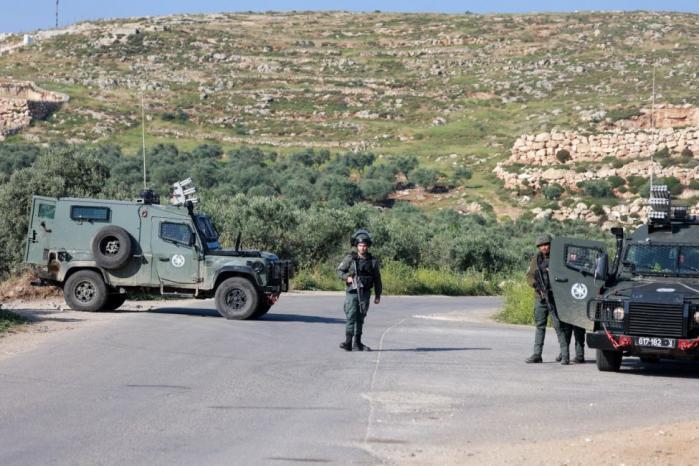
RAMALLAH, (Palestine Foundation Information Center), In the eastern alleys of Al-Mughayyir, near Ramallah, the faces of residents tell a story of steadfastness in the face of a fierce Israeli campaign of systematic abuse.
Attacks by Israeli occupation forces and settlers are no longer isolated incidents. They have become a clear and sustained strategy aimed at uprooting Palestinians from the land of their ancestors, stripping them of the most basic sense of safety inside their homes, and clearing the way for settlement expansion in the area.
The Abu Alia family was subjected to one of the most violent raids witnessed in the town. Israeli forces stormed the family home and directly assaulted those inside, beating them and breaking bones. Several family members suffered serious injuries, including broken hands and ribs, inside their own home.
The assault did not stop there. Israeli forces also demanded that the family remove the metal supports and barbed-wire fence surrounding the house, in an apparent attempt to strip the home of its protection and make it easier for pastoral settlers seeking to seize nearby land to target it directly.
The attack comes amid worsening conditions in towns east of Ramallah and Nablus, where settler assaults are intertwined with daily Israeli army raids.
Last night saw a new escalation when settlers attacked the home of Turmus Ayya school principal Mohammed Aref Muslim and threatened him and his family after storming Khirbet Al-Marajem, located between Al-Mughayyir and Duma.
The incident signaled an expansion of the campaign of intimidation to include educators and local residents alike, as part of continued pressure on the population.
Despite the harsh attacks surrounding Al-Mughayyir and neighboring villages, including previous violence that led to the killing of young Fadi Al-Naasan while confronting settler attacks, residents insist on staying and resisting all forms of coercion.
Members of the Abu Alia family say their roots in the land are deeper than all these practices, pointing to olive trees planted before 1967 as witnesses to their historic and national attachment to the area.
They stressed that remaining in their home and on their land is an irreversible choice, and that they will only leave it as martyrs.