WEST BANK, (Palestine Foundation Information Center), Israeli attacks on Palestinian water sources in the occupied West Bank are no longer limited to demolishing individual wells or damaging water networks. They have become part of a broader policy aimed at controlling wells and springs and restricting Palestinian access to them, alongside expanding Israeli settlements and land seizures.
A series of recent incidents points to an escalation in the targeting of water resources. Jewish settlers seized a water well in the al-Farsh area, between Khallat al-Hummus and Wadi al-Rakhim, south of Yatta in the al-Khalil governorate. Available data also indicates that settlers have taken control of around 10 wells in the area in recent months.
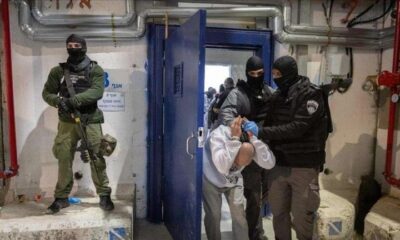
In the northern Jordan Valley, Israeli occupation forces (IOF) demolished three artesian wells in the village of Atouf, which residents rely on for agricultural and daily needs. The IOF also detained workers from the al-Khalil Rehabilitation Committee while they were rehabilitating water wells in the Old City’s Jaber neighborhood, while other wells have been demolished in Beit Ummar, north of al-Khalil.
The impact extends far beyond access to drinking water. Rural and farming communities depend on wells and springs to irrigate their land, raise livestock and sustain their livelihoods. Destroying, restricting or seizing these water sources therefore directly affects Palestinians’ ability to farm, graze their animals and remain on their land.
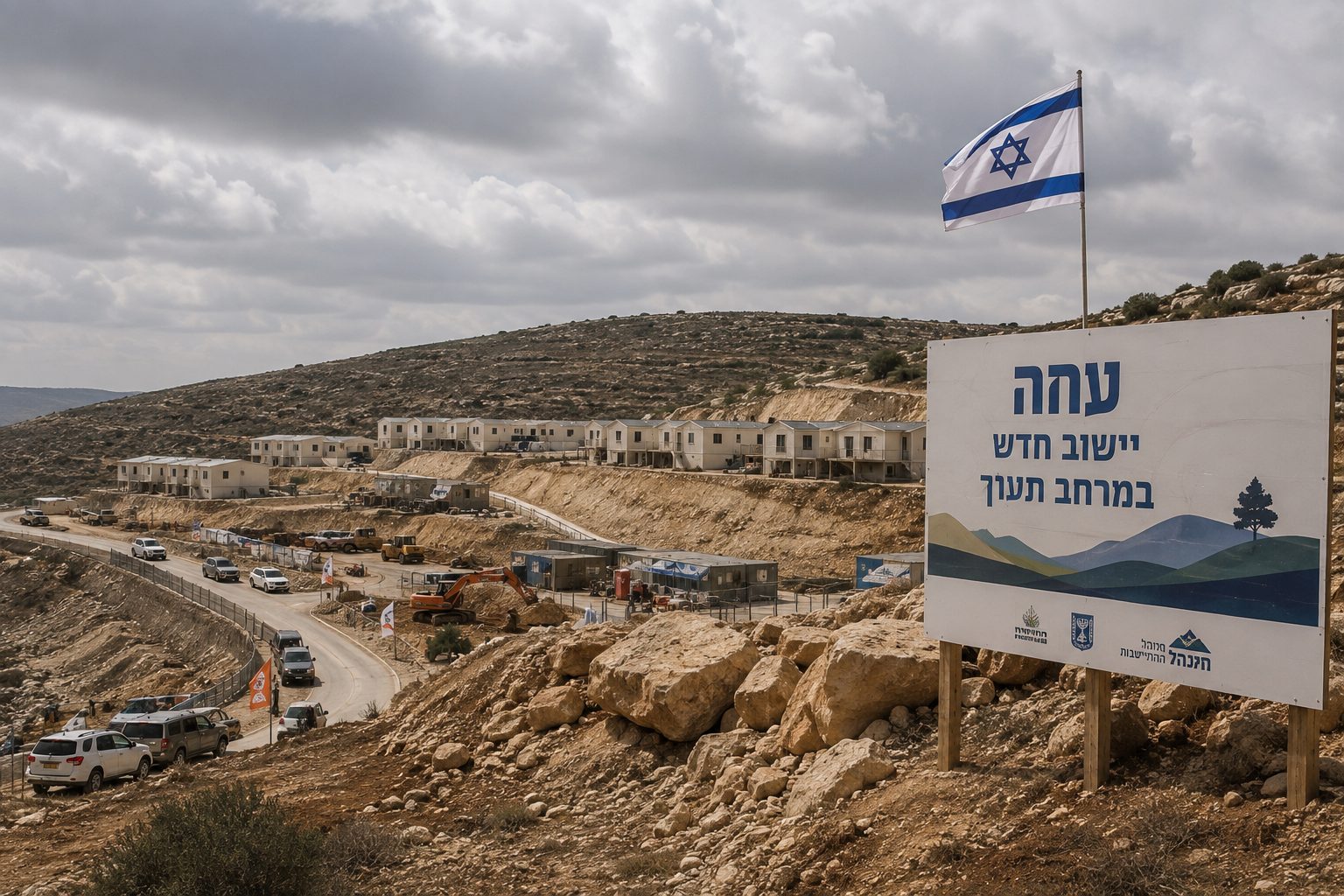
This comes amid expanding Israeli settlement activity across the West Bank, where the establishment of settlement outposts and construction of settler roads are accompanied by the seizure of Palestinian land and natural resources, including springs and wells. Elsewhere, Israeli military operations have destroyed parts of water networks, storage tanks and other infrastructure.
The stark disparity in water consumption between Palestinians and Jewish settlers illustrates the unequal control over this vital resource. Israel controls more than 84% of the West Bank’s groundwater and surface water resources. A Jewish settler consumes an average of around 247 liters of water per day, compared with approximately 80 liters for a Palestinian. In some Bedouin and herding communities, consumption falls below 15 liters per person per day.
These policies turn water from a basic natural resource into a means of pressure on Palestinian communities, particularly those heavily dependent on wells and springs. Every well demolished or seized reduces residents’ ability to meet their daily needs while undermining agriculture, livestock farming and other sources of income.
The struggle over water in the West Bank is therefore inseparable from the struggle over land. Control of water resources intersects with land confiscation, settlement outposts and the expansion of roads serving Jewish settlers, contributing to changes in the geographic and demographic conditions on the ground.
As wells and springs continue to be targeted and Palestinians face restrictions on maintaining and rehabilitating them, concerns are growing that control over water is becoming another instrument of Israeli settlement expansion and pressure on Palestinian communities, threatening both their livelihoods and their ability to remain on their land.