WEST BANK, (Palestine Foundation Information Center), Settler attacks in the occupied West Bank are no longer isolated incidents that end when the assault is over. The toll recorded in August reveals a wider trajectory in which attacks on Palestinians and their property intersect with land confiscation, home seizures and the expansion of settlement outposts.
The Palestine Information Center, Muta, documented 1,223 settlement-related crimes in a single month.
The figure means an average of around 39 crimes per day, in one of the clearest signs of escalation in terms of both the variety of settlement means and their expanding geographic scope.
The report’s details show that settlers carried out 721 attacks during the month, targeting residents, farmers, herders and their property. The attacks included gunfire, threats, abuse, damage to crops and the burning of trees.
But the other face of the escalation was seen in land and housing. Muta center recorded 299 cases of confiscation of Palestinian property, along with 49 cases of home seizures, incidents whose impact goes beyond material losses and pushes owners to face the risk of losing their land or homes and being forced to leave.
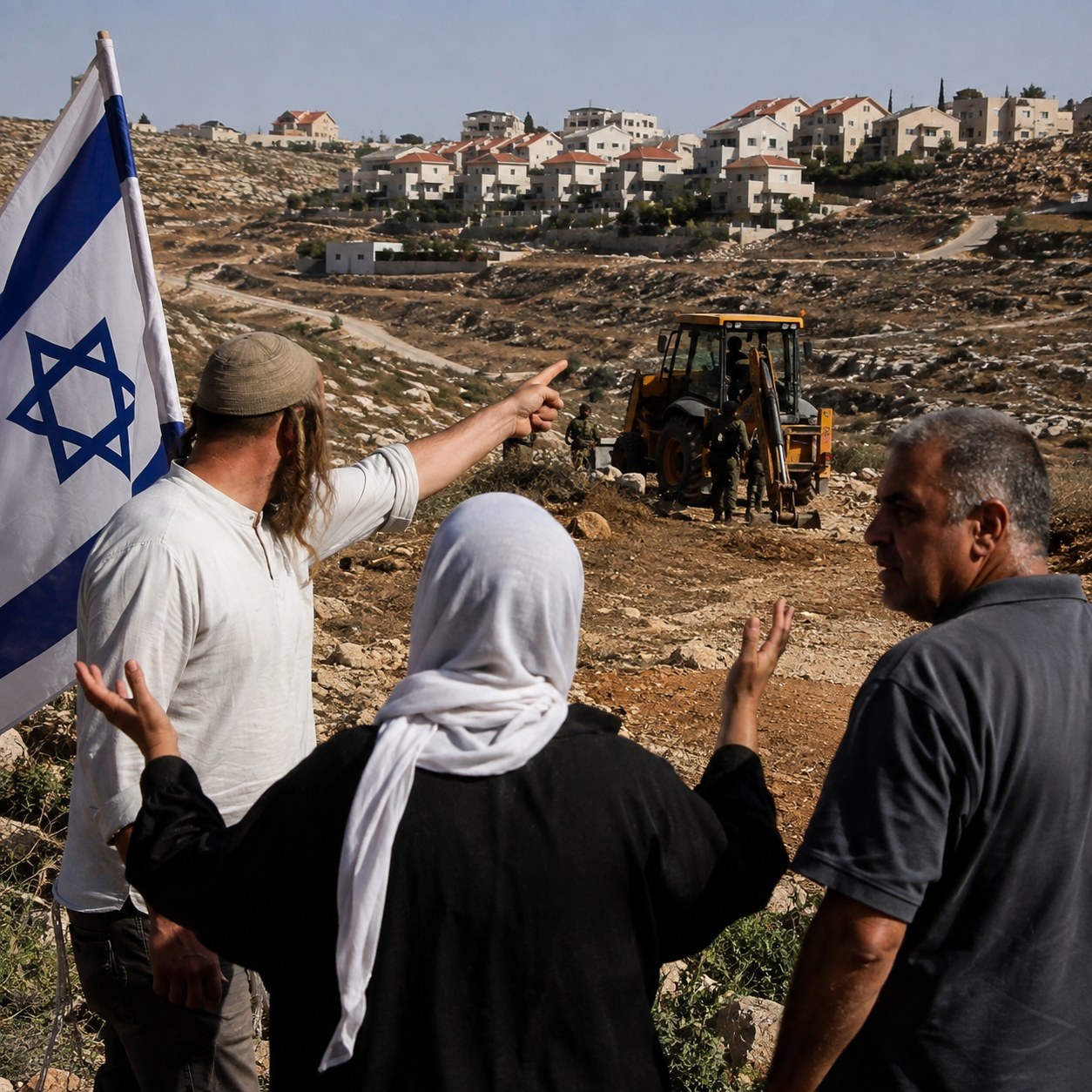
At the same time, the center documented 154 settlement activities in August, including the expansion of outposts and the establishment of new infrastructure, reflecting continued efforts to entrench and develop the settlement presence in parallel with attacks on the ground.
The significance of these figures lies in the convergence of these tracks at the same time. The scene is not built on separate attacks, but on sustained pressure against Palestinians accompanied by the expansion of the settlement presence.
While a farmer faces an attack or loses access to his land, construction or expansion work may appear in the same area at a settlement outpost.
The danger of this pattern is particularly concentrated in areas witnessing growing settlement activity, where attacks become a tool to pressure residents, while expansion and infrastructure work give settlements and outposts greater capacity to endure and spread.
In this context, the figure of 1,223 is not merely a monthly toll. It is a picture of a trajectory in which different tools intersect to achieve one result: changing the reality on the ground. Property confiscations and home seizures shrink the space of Palestinian presence, while settlement activities expand and entrench the opposing presence.
Muta said these crimes took place across various West Bank governorates, amid escalating settler attacks and the expansion of settlement outposts.
August therefore leaves behind more than 1,000 documented incidents, but their consequences do not end with the month. The land confiscated, the home seized, the outpost expanded and the farm attacked are all incidents that can turn into fixed facts on the West Bank map.
That makes settlement escalation an issue that goes beyond the number of attacks and raises a broader question about the future of Palestinian land.