GAZA, (Palestine Foundation Information Center), Alaa Al-Din Al-Batta, deputy head of the Gaza Municipalities Union, warned on Tuesday of an imminent public health and environmental disaster threatening the Gaza Strip as drinking water shortages worsen and sewage overflows increase amid continued Israeli restrictions on the entry of fuel and spare parts needed to operate generators.
Al-Batta, who also serves as mayor of Khan Yunis in southern Gaza, issued the warning during a press conference addressing the severe water shortage and deterioration of essential municipal services.
He said more than two million Palestinians are facing severe shortages of drinking water and water for household use, warning of the risk of “mass thirst” amid soaring temperatures and the deterioration of Gaza’s healthcare system since the Israeli genocide began on October 8, 2023.
Al-Batta said municipal crews have continued working since the beginning of the Israeli genocidal war to repair water and sewage networks, reopen roads, and remove waste and rubble. However, shortages of equipment, fuel and spare parts are severely limiting their ability to continue operating.
He warned that dozens of generators powering water wells and sewage facilities are at risk of shutting down because of severe fuel shortages.
Al-Batta said municipalities have received no diesel fuel for rubble-removal operations since March. Previously, only very limited quantities had been allowed in to support rubble removal and road-clearing operations backed by international organizations.
He criticized delays by the international community and international organizations in facilitating the entry of supplies essential to municipal operations. Around 700 generators require lubricants, he said, yet the quantities allowed into Gaza have been sufficient for only about 40 generators.
The severe shortage of lubricants has driven prices for the remaining supplies in Gaza up by around 1,000%, further undermining municipalities’ ability to operate generators and maintain essential services.
Al-Batta said available generators are currently operating at no more than 20% of their capacity, forcing municipalities to prioritize water provision, followed by sewage management, while rubble-removal operations have been suspended because of fuel shortages.
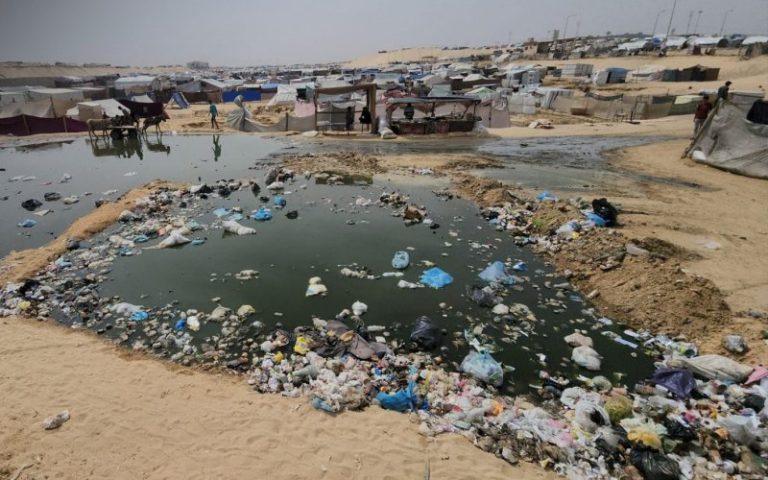
He warned that the shutdown of sewage facilities could cause wastewater to overflow into streets and reach displacement shelters, creating conditions for the spread of disease and further worsening Gaza’s public health and environmental crisis.
Al-Batta called on the international community, the United Nations and mediators in Egypt, Türkiye and Qatar to exert pressure to allow the entry of fuel, spare parts and essential equipment and to establish an urgent humanitarian corridor to meet municipalities’ needs and keep vital services operating.
He also called for protection for municipal technical crews, holding the Israeli occupation responsible for the “imminent disaster” and stressing that municipalities would continue performing their duties despite the severe humanitarian and field conditions.
Since the beginning of the Israeli genocide, Gaza’s municipalities have faced mounting challenges caused by the widespread destruction of infrastructure and shortages of fuel, operational supplies and spare parts. The crisis has severely degraded water, sewage and sanitation services, increasing the risk of disease outbreaks among residents and displaced Palestinians.