GAZA, (Palestine Foundation Information Center), A satellite data analysis revealed that, after about two years and nine months of sharp decline in night lighting, Gaza Strip retained only about 19% of its pre-war lighting level.
A separate spatial analysis, which excluded the area within the Israeli control range defined by the Yellow Line, showed that the observed lighting in the remaining area represented only 12% of its level during the pre-war reference period.
In light of this decline, the residents of the Strip face daily repercussions affecting various aspects of their lives, as operating ventilation, cooling, and food and medicine preservation means inside tents is difficult, while the suffering of patients increases in accessing limited health services and necessary care for chronic diseases, according to Al Jazeera.
Water wells, pumping stations, hospitals, and bakeries suffer
The crisis extends to operating water wells, pumping stations, hospitals, bakeries, and communication networks, while device limitations, weak internet, and charging difficulties prevented some high school students from taking their exams.
The Open-Source Unit at Al Jazeera Network relied in its analysis on night lighting data from NASA’s “Black Marble” project.
The analysis included equal time periods, each consisting of 28 nights, starting from the pre-war reference period between 9 September and 6 October 2023, up to the latest analytical period between 12 June and 9 July 2026.
The lighting decline reflects an electricity crisis beyond the absence of lighting, as water wells, pumping stations, hospitals, bakeries, and communication networks rely on energy, making the lighting drop an indicator of the deterioration of basic services.
Daily life in Gaza affected
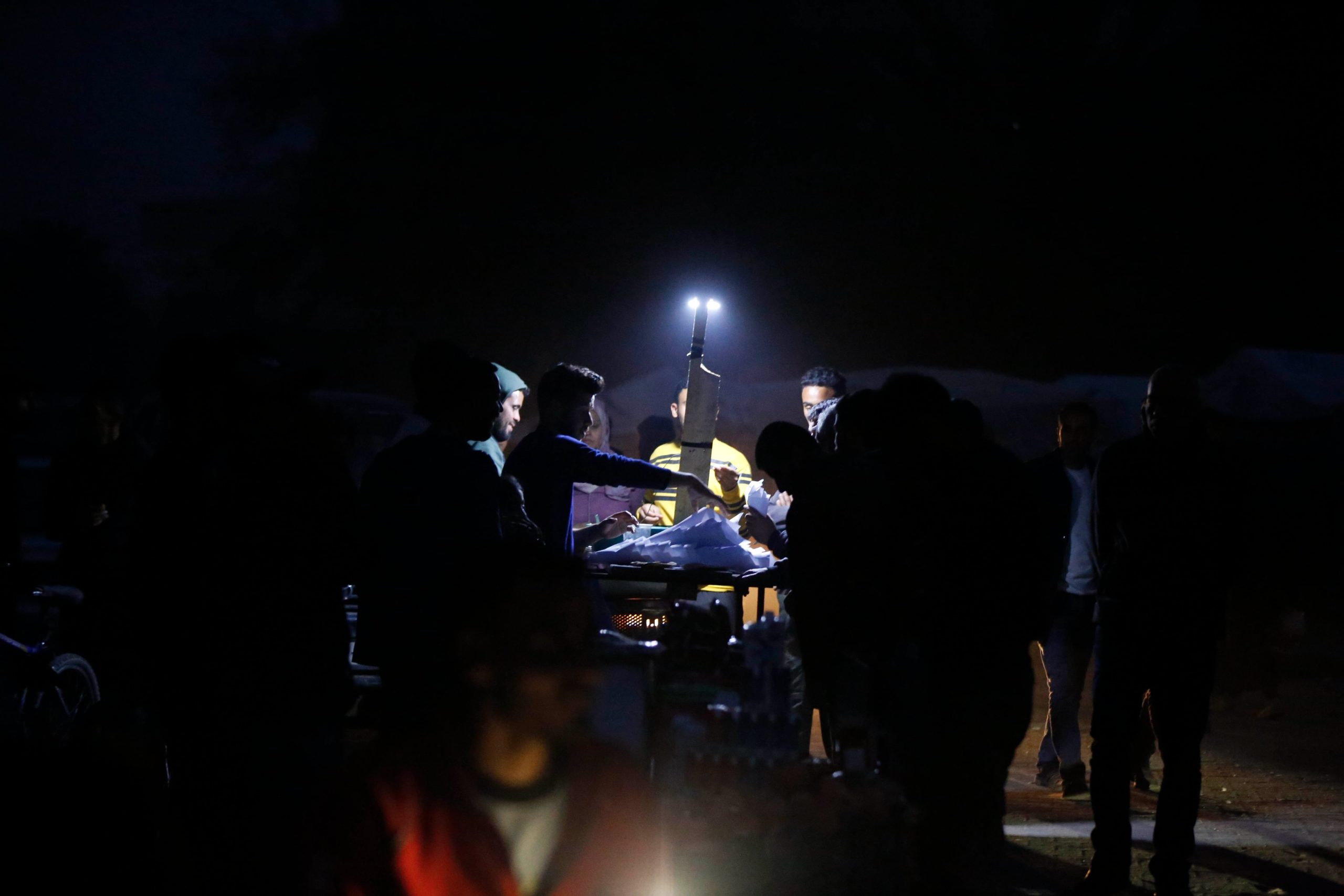
The satellite results align with a field testimony by Palestinian journalist Bisan Owda, who documented the impact of electricity absence on daily life in Gaza Strip, and how energy-related needs, from lighting to phone charging, transformed into a daily challenge amid reliance on limited and unstable sources.
The analysis showed that total observed lighting inside the remaining area outside the Israeli control range this July did not exceed about 12% of the pre-war lighting level in areas inhabited by the Strip’s residents.
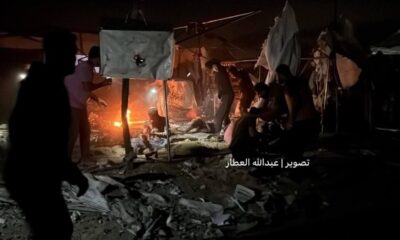
The reality inside displacement centers reveals that the lack of electricity coincides with high temperatures and the spread of insects and rodents, at a time when families are unable to operate lighting or ventilation means, which doubles the difficulty of staying inside tents and increases risks faced by families and children during night hours.
Doctor testimonies
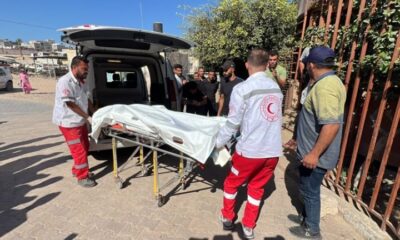
Testimonies published by doctors showed that the effects of electricity outages extended beyond lighting and daily services, to touch basic needs linked to population safety and opportunities for patients and the injured to receive care, describing the situation as a “crime and a death sentence for patients.”
The impact of energy shortage extended to operating water, sanitation, health and food services, and communication networks, as Sheikh Radwan pumping station was forced in July 2026 to reduce its operating hours due to lack of engine operation supplies, which led to rising sewage levels inside the rainwater collection basin.
The station resumed operation between 12 and 16 hours daily after receiving a limited quantity of engine oil, which is the level necessary to maintain or lower water levels and avoid additional environmental risks, according to the United Nations Office for the Coordination of Humanitarian Affairs.
Services still disabled
The health sector recorded the continued disruption of a large part of services, as less than half of the health service points registered before the war were operating in July 2026, amid difficulties in operating equipment, preserving medicines, and pumping water inside health facilities.
The United Nations Office for the Coordination of Humanitarian Affairs confirmed that basic services for about 350,000 people with chronic diseases remain severely disrupted, as a result of damage to water and sanitation infrastructure, supply shortages, access restrictions, alongside continued shortages of fuel, engine oil, generators, and specialized equipment.
The electricity shortage was also reflected in the education sector, as about 6,000 students out of 37,000 registered were unable to participate in the first day of the 2026 high school exams, due to limited access to devices, weak internet connection, and lack of sufficient power sources to charge equipment used in exams.
Students search for electricity
Video clips showed a number of students forced to take their electronic exams using phones inside crowded cafes, tents, and tarpaulin-covered spaces, searching for electricity and internet connection, amid overcrowding, noise, high temperatures, and technical problems.
The analysis results confirmed the continuation of the sharp drop in night lighting inside Gaza Strip compared to pre-war levels, noting that satellite data, although not directly measuring electricity outages, provides an indicator of the electrical energy situation in the Strip.