GAZA, (Palestine Foundation Information Center), Winter is approaching Gaza with new burdens for displaced families already struggling with harsh living conditions, falling purchasing power and the loss of regular income.
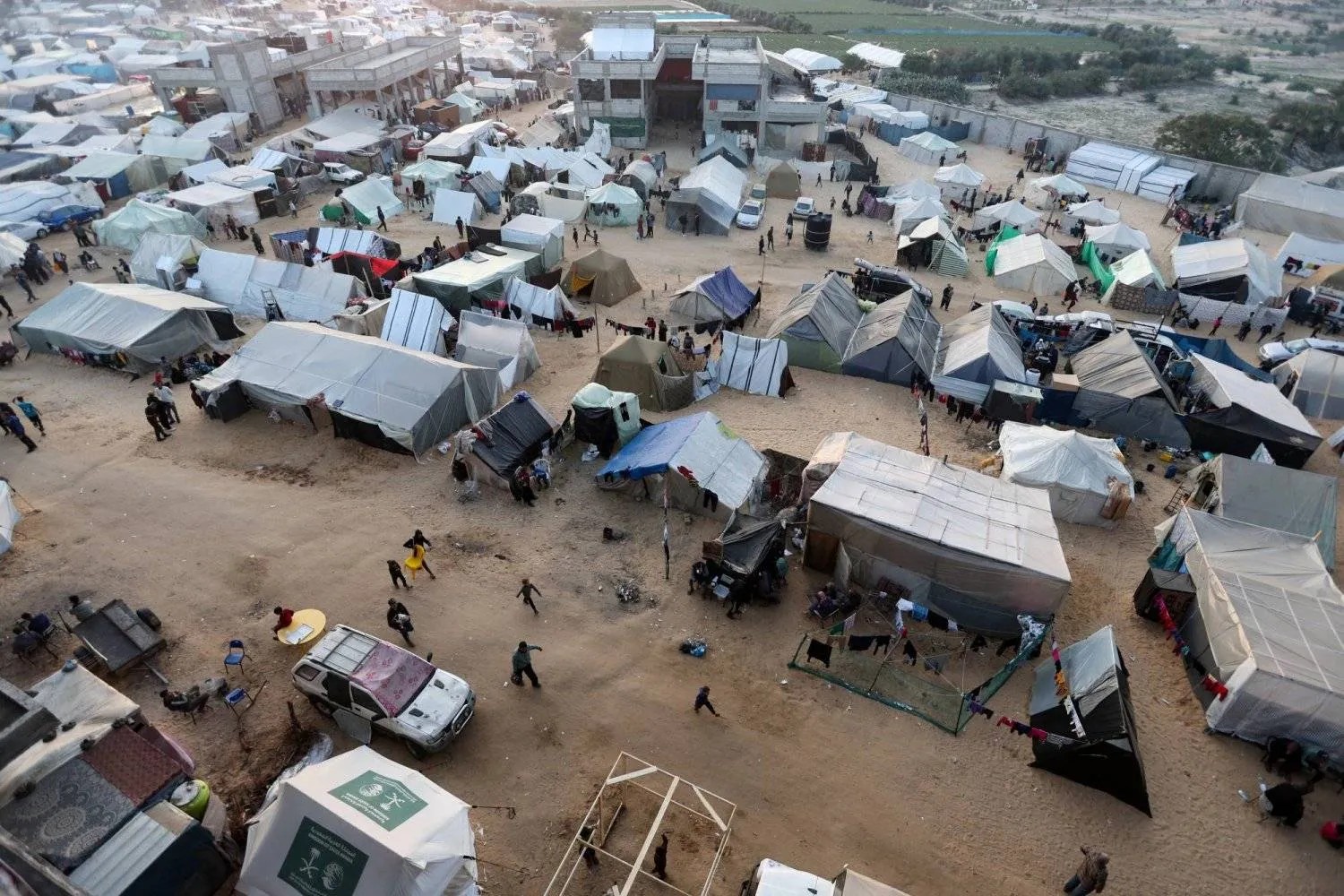
Economic researcher Ahmad Abu Qamar said the coming winter adds another financial burden, as securing shelter capable of withstanding rain and cold has become a cost many families cannot afford.
He said shelter-supply prices have risen sharply. The price of a tarp increased from about 130 shekels to 170 shekels, while larger types cost around 230 shekels. Tent prices have also risen from 1,300 to 1,700 shekels.
With many families unable to buy new tents, they are forced to repair old ones, creating repeated expenses. Abu Qamar said basic repair materials have also become more expensive: a meter of wood costs about 10 shekels, a nail around one shekel, a meter of construction rods about 5 shekels, and binding wire has risen from one shekel to 4 shekels per meter.
The cost of shelter is no longer limited to buying a tent or tarp. Worn-out tents require repeated repairs using wood, tarps, rods, nails and binding wire, forcing displaced families to choose between protecting themselves from winter and meeting basic needs such as food, water and medicine.
Abu Qamar said the absence of regular income makes these expenses even heavier, as repeated repairs consume what little savings families still have amid rising needs and limited spending power.
According to UN figures cited in the report, about 1.98 million people, or 94% of Gaza’s population, need shelter and non-food assistance, while around 58% face critical or catastrophic shelter needs.
Abu Qamar warned that the coming winter is not only a humanitarian test, but also a growing economic pressure on displaced families whose resources have been drained by years of displacement.