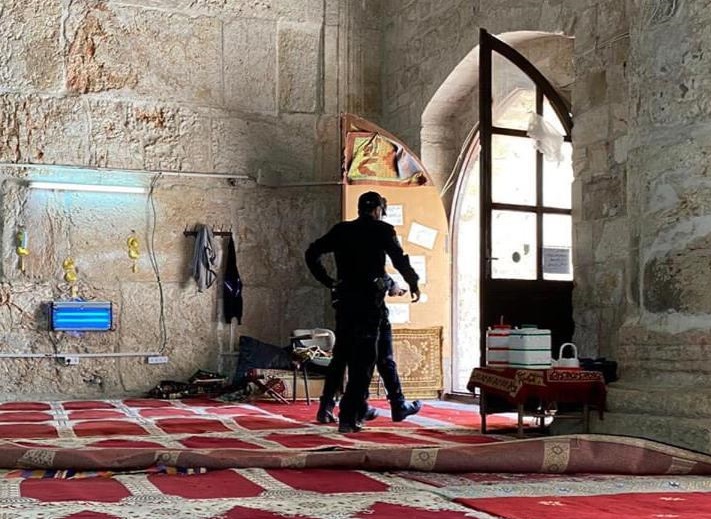
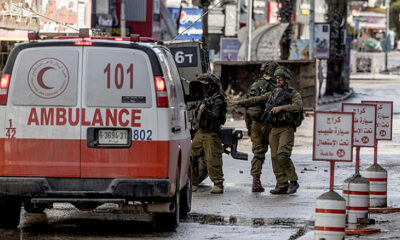
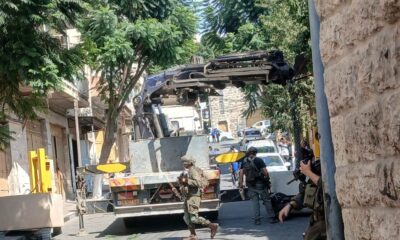
Hebron, (Palestine Foundation Information Center), The historic Ibrahimi Mosque in the city of Hebron is once again facing closure to Muslim worshippers, beginning Sunday afternoon and continuing through Monday. The measure has been imposed on the occasion of the Jewish holiday of Yom Kippur, marking the second major closure of the mosque within a single week. Palestinian circles have issued strong warnings over growing restrictions on access to the mosque during the Jewish holiday season.
According to the published 2026 schedule, the Ibrahimi Mosque will be completely allocated for Jewish worship starting at 3:00 p.m. on Sunday, September 20, the eve of Yom Kippur, and will remain closed to Muslim worshippers throughout Monday, September 21.
The measure comes just days after the mosque was closed to Muslims on Wednesday and Thursday, accompanied by intensified military measures in the Old City and surrounding areas.
The Ministry of Endowments and Religious Affairs strongly condemned the latest closure, describing the Israeli occupation forces’ measures as an open attack on freedom of worship. It called on international and human rights organizations to intervene immediately to protect the Ibrahimi Mosque and ensure Muslim worshippers’ access to it.
Mosque Director Moataz Abu Sneineh said the repeated closures are part of ongoing escalation and attempts to take control of the remaining sections of the mosque. The ministry, meanwhile, reaffirmed that the Ibrahimi Mosque, including all of its halls and courtyards, is an exclusively Islamic site.
The anticipated closure follows similar measures earlier this week, when Israeli occupation forces closed the Ibrahimi Mosque to Muslim worshippers on September 16 and 17 during Jewish holidays and increased their military presence around the mosque and in the Old City.
The measures extended to the surrounding areas, where checkpoints and electronic gates were closed and movement was severely restricted. As a result, classes at the Ibrahimiya Primary School for Boys were completely suspended, while education at the Al-Faiha Girls’ Primary School was disrupted. Access routes leading to the markets of the Old City were also closed.
The schedule announced for 2026 indicates that these measures will not end with Monday’s closure. The Jewish holiday of Sukkot is scheduled to begin in the final week of September following Yom Kippur, with September 28 and 29 designated for opening the entire mosque to Israeli settlers. According to the published schedules, further arrangements related to the holiday are planned for September 30, followed by another occasion on October 3.
In practical terms, these dates mean that September will see successive days on which arrangements governing access to and use of different sections of the mosque are changed, alongside intensified military measures in Hebron’s Old City.
Measures affecting the Ibrahimi Mosque are not limited to complete closures during Jewish holidays. The Ministry of Endowments also publishes monthly documentation of restrictions on the Muslim call to prayer at the mosque.
In its report for last August, the Ministry of Religious Affairs stated that Israeli authorities prevented the call to prayer from being made at the mosque on 155 occasions during a single month. The ministry said such measures are intended to undermine freedom of worship and alter the existing historical status of the site.
The complete closures imposed during Jewish holidays add to these daily restrictions, under which Muslim worshippers are prevented from entering the mosque while various sections are allocated for Jewish rituals and prayers.