GAZA, (Palestine Foundation Information Center), Doctors Without Borders (MSF) warned Thursday that thousands of people in the Gaza Strip are at serious risk of death and severe illness as Israeli authorities continue to restrict the entry of engine oil and spare parts into the territory.
In a statement, the organization said these supplies are essential for operating electrical generators in hospitals, ambulances, water pumps and water trucks, adding that the obstruction of these essential services is clear evidence of Israel’s systematic destruction of the basic systems needed to sustain life in Gaza.
MSF said its engine oil reserves are barely sufficient for one month, while some of its equipment has already been damaged due to supply shortages, forcing its teams to search for oil on the local market at extremely high prices.
The organization said engine oil supplies have fallen to such low levels that prices have increased twentyfold over the past six months. By the end of July, the price of a liter had exceeded $1,300, with no guarantee of its quality or availability.
On August 5, a generator at the MSF field hospital in Deir al-Balah broke down. With the facility forced to rely on a smaller backup generator, teams had to impose severe restrictions on electricity consumption.
MSF said it was able to operate the surgical theater only for the most critical cases, while nursing teams were unable to sterilize essential equipment and radiology services were suspended. Patients suffering from painful burns were also left to endure extreme heat without air conditioning.
Felipe Ribeiro, MSF program coordinator in Palestine, said the situation in Gaza was not simply a series of isolated incidents caused by dwindling supplies, but reflected a deliberate policy of attrition.
He said Israeli policies have obstructed the entry of supplies for more than two years, not only delaying aid but dismantling the systems on which people depend for survival.
Ribeiro added that today the shortages involve engine oil and spare parts, while tomorrow they could affect other essential goods. He stressed that regardless of which supplies are restricted, the underlying effect is the same: subjecting the population to unbearable living conditions and depriving people of the most basic and essential goods.
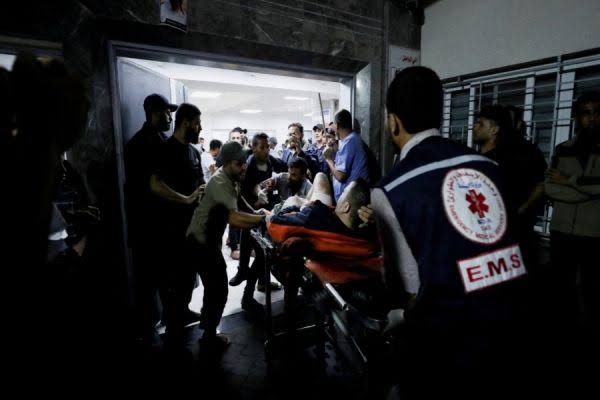
MSF Deputy Project Coordinator Ola Bardawil warned that generator failures put hospitals at serious risk, particularly newborns in incubators, people dependent on oxygen concentrators and patients requiring lifesaving surgery.
Bardawil said the restrictions on engine oil and spare parts were not an isolated incident but part of a broader pattern of restrictions imposed in the context of the Israeli genocide, using structural violence to deliberately restrict access to vital services and supplies.
The consequences extend beyond hospitals. Gaza’s population currently relies heavily on water trucks to deliver drinking water to areas where displaced people are sheltering.
A July survey by organizations monitoring water and sanitation conditions found that 90% of families in Gaza face moderate to severe water insecurity.
Various forms of transportation also risk grinding to a halt because of the engine oil shortage, including water trucks that are increasingly vital during the peak summer heat, ambulances, buses transporting medical staff to work and trucks delivering humanitarian supplies.
Bakeries and flour mills also depend on generators, raising concerns that food production could be affected if shortages of engine oil and spare parts continue.
A generator at an MSF desalination facility has already been damaged because of shortages of engine oil and the spare parts needed to replace faulty components.
In June, MSF was forced to reduce the facility’s operating hours from 12 to seven hours a day, cutting daily drinking water production from 600,000 liters to 350,000 liters and leaving more than 40,000 people without their daily water supply.