WEST BANK, (Palestine Foundation Information Center), The displacement of Palestinians in the occupied West Bank is expanding at an accelerating pace in 2026, amid rising demolitions, settler attacks and restrictions on Palestinians’ access to their land and sources of livelihood.
The United Nations says these measures have become one of the main drivers of the humanitarian crisis in the West Bank.
The latest figures from the UN Office for the Coordination of Humanitarian Affairs (OCHA) show that more than 4,300 Palestinians have been displaced since the beginning of the year due to demolitions, evictions, settler attacks and restrictions related to access and movement.
According to OCHA, settler attacks and related access restrictions have become the largest driver of displacement in the West Bank this year, accounting for around 60% of all recorded displacement cases.
1,164 structures demolished
OCHA data shows that Israeli authorities have demolished 1,164 Palestinian structures since the start of 2026, citing lack of building permits. These demolitions displaced more than 1,500 Palestinians.
Across all demolition-related causes, more than 1,600 Palestinians have lost their homes in the West Bank, including occupied Jerusalem, since the beginning of the year.
The demolition crisis is part of a wider displacement environment. UN data indicates that more than 4,300 Palestinians have been forced to leave their homes this year because of interconnected factors, including demolitions, evictions, settler violence and restrictions that obstruct access to land and communities.
The pace has accelerated sharply. At the beginning of September, the number of Palestinians displaced since the start of the year had already exceeded 3,960, averaging more than 16 people per day. OCHA said this rate was nearly double the daily average recorded between 2023 and 2025.
Settlers: 6.7 attacks per day
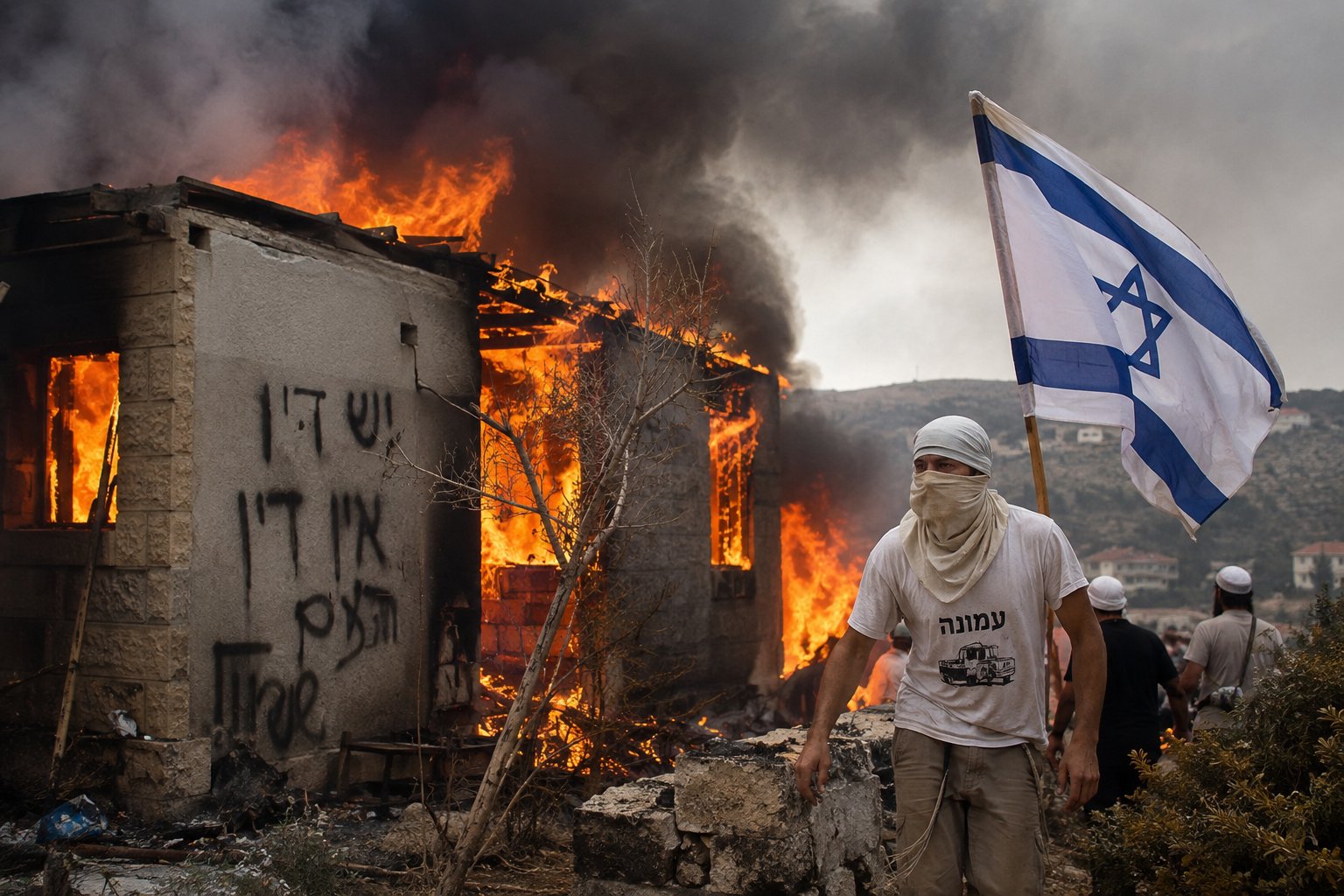
Alongside demolitions, the West Bank is witnessing an unprecedented rise in the frequency and geographic spread of settler attacks.
As of September 14, the UN had documented more than 1,600 settler attacks that resulted in Palestinian casualties, property damage or both. The average reached 6.7 attacks per day, compared with five attacks per day in 2025 and only around 1.5 attacks per day in 2021.
The attacks are no longer confined to specific hotspots. This year, they have affected 275 Palestinian communities, already close to the 279 communities attacked throughout all of 2025, the highest annual figure recorded by the UN since it began documenting such incidents in 2006.
The comparison suggests that the spread of attacks recorded in less than nine months of 2026 is approaching the total of a full year that was already the highest in the UN record.
From attack to displacement
The consequences of settler attacks do not stop at injuries or property damage. According to OCHA, more than 2,600 Palestinians have been displaced this year in the context of settler attacks and related access restrictions, making them the leading cause of displacement in the West Bank in 2026.
OCHA reports show that repeated attacks and movement restrictions have cumulative effects on targeted communities. These include long periods of isolation and reduced ability to reach homes, agricultural land, water sources and basic services, including health and education.
The wider timeframe shows the trend more clearly. From January 2023 through the end of August 2026, 130 Palestinian communities experienced full or partial displacement due to settler attacks and related restrictions. Of these, 48 communities were fully displaced, including 12 this year alone.
During the same period, more than 6,400 Palestinians were displaced in this context, including more than 3,100 children. The phenomenon has been concentrated especially in Bedouin and herding communities located in Area C.
Jerusalem at the center of demolitions
In East Jerusalem, demolitions of Palestinian homes and structures have continued. Between September 8 and 14, three families comprising 15 Palestinians were displaced as a result of demolitions in Jabal al-Mukaber and Silwan.
In the al-Bustan neighborhood in Silwan, the Israeli municipality, accompanied by Israeli forces, demolished a residential building, displacing two families of 10 people.
Around 1,500 Palestinians live in the neighborhood, which OCHA says is affected by a settlement plan to establish a park that requires the demolition of dozens of Palestinian housing units.
With more than 4,300 people displaced, 1,164 structures demolished under the pretext of lacking permits, more than 1,600 settler attacks and 275 communities affected, OCHA’s September data paints a picture of a year marked by a sharp rise in displacement and the rapid geographic expansion of settler violence across the West Bank.