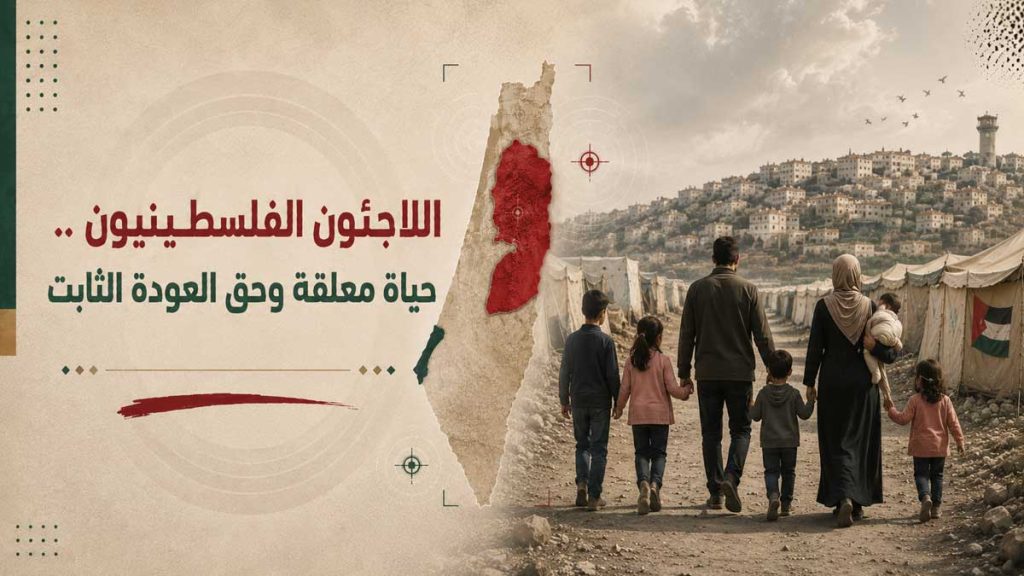
GAZA, (Palestine Foundation Information Center), The Palestinian Information Center (PIC) has launched an extensive journalistic file titled “Palestinian Refugees, Suspended Life and the Inalienable Right of Return”, shedding light on the issue of Palestinian refugees, in light of escalating Israeli moves aimed at undermining the United Nations Relief and Works Agency for Palestine Refugees (UNRWA), and targeting its role, institutions, and UN mandate.
The launch of the file comes in the context of a stage in which the agency is exposed to increasing political, legislative, and financial pressures, coinciding with continuous Israeli attempts to restrict its work and end its presence, amid fears that the repercussions of these measures will go beyond the humanitarian and service aspect, to affect the political and legal status of the Palestinian refugee issue and their historical rights.
The file aims to provide a comprehensive and multidimensional journalistic treatment of the refugee issue, combining historical documentation, news monitoring, and political and legal analysis, and dismantling narratives and positions that aim to redefine the refugee issue or bypass its entitlements, foremost among which is the right of return and compensation.
The file addresses the roots of the Palestinian Nakba in 1948, and the accompanying widespread displacement of Palestinians and destruction of hundreds of villages and towns, and the transformation of millions of Palestinians into refugees inside the homeland and abroad, while tracking the development of the issue in international forums, and the UN resolutions that addressed their rights, foremost among which is United Nations General Assembly Resolution 194.
It also pauses at the circumstances of the establishment of UNRWA under UN Resolution 302 of 1949, the nature of the mandate granted to it, the stages of the development of its work in its five areas of operation, and its role in providing education, health care, relief, and social services to millions of Palestinian refugees, as well as its status in preserving the institutional record of their cause and its continued presence on the international agenda.
The file devotes a special space to tracking Israeli policies aimed at undermining the agency, including legislation targeting its work, attacks on its facilities and staff, campaigns questioning its role, and pressures aimed at reducing its funding or finding alternatives to its services, while reviewing international and UN positions on these measures.
It also addresses the repercussions of the financial crisis facing UNRWA, and its reflections on its programs and services in the Gaza Strip, the West Bank, and refugee camps in Jordan, Lebanon, and Syria, alongside discussing the proposed scenarios for the future of the agency, the realism of transferring its responsibilities to other international or local institutions, and the resulting humanitarian, legal, and political effects.
The file dedicates part of its materials to addressing the emotional and national relationship between the Palestinian refugees and UNRWA, as part of their daily memory and experience extending across generations, from the school and the clinic to the ration card and the camp, and how the agency’s presence in the Palestinian consciousness became linked to the history of refugeehood and the continued demand for return.
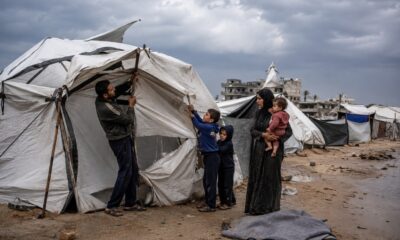
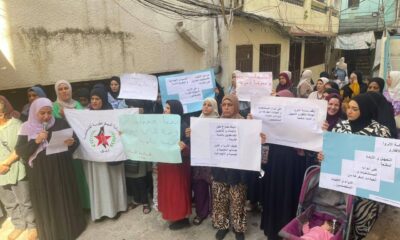
It also reviews testimonies and experiences of refugees, the living conditions in Palestinian camps, and the fears of new generations regarding the repercussions of targeting the agency, as well as the positions of host countries, Palestinian factions, and human rights and humanitarian institutions regarding the future of UNRWA and refugee rights.
The file relies on a diverse series of journalistic materials, including news, field reports, political and legal analyses, and documentary and in-depth materials, based on UN resolutions and documents, official statements, human rights reports, refugee testimonies, and the positions of concerned parties.
The file confirms that the issue of UNRWA goes beyond the matter of the continuation of a UN institution or the faltering of its services, to connect with the future of the Palestinian refugees’ issue and the status of their rights in the international system, foremost among which is the right of return that has not lapsed by prescription, and cannot be settled by administrative or financial measures targeting the agency.
Through this treatment, PIC seeks to re-highlight the refugee issue as one of the pillars of the Palestinian cause, and to present documented journalistic content that places attempts to target UNRWA in their historical, political, and legal context, and grants readers a wider space to understand the dimensions of the ongoing battle over the agency and the rights of Palestinian refugees.