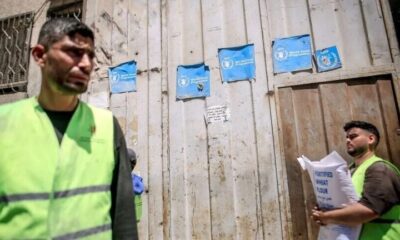
GAZA, (Palestine Foundation Information Center), UNRWA’s director of health, Akihiro Seita, has warned of the continuing deterioration of humanitarian and health conditions in Gaza, saying the Strip is increasingly becoming an impossible place to live.
In an online interview with Japan’s Jiji Press, Seita said Gaza’s living environment had collapsed. He noted that the ceasefire agreement, which took effect on October 10, 2025, had not ended the consequences of the war, while humanitarian and health conditions continued to worsen.
According to the report, Israel’s war on Gaza, which began in October 2023, has killed more than 74,000 Palestinians. Reconstruction efforts remain slow, while Israeli attacks continue and Israeli forces maintain control over large areas of the Strip.
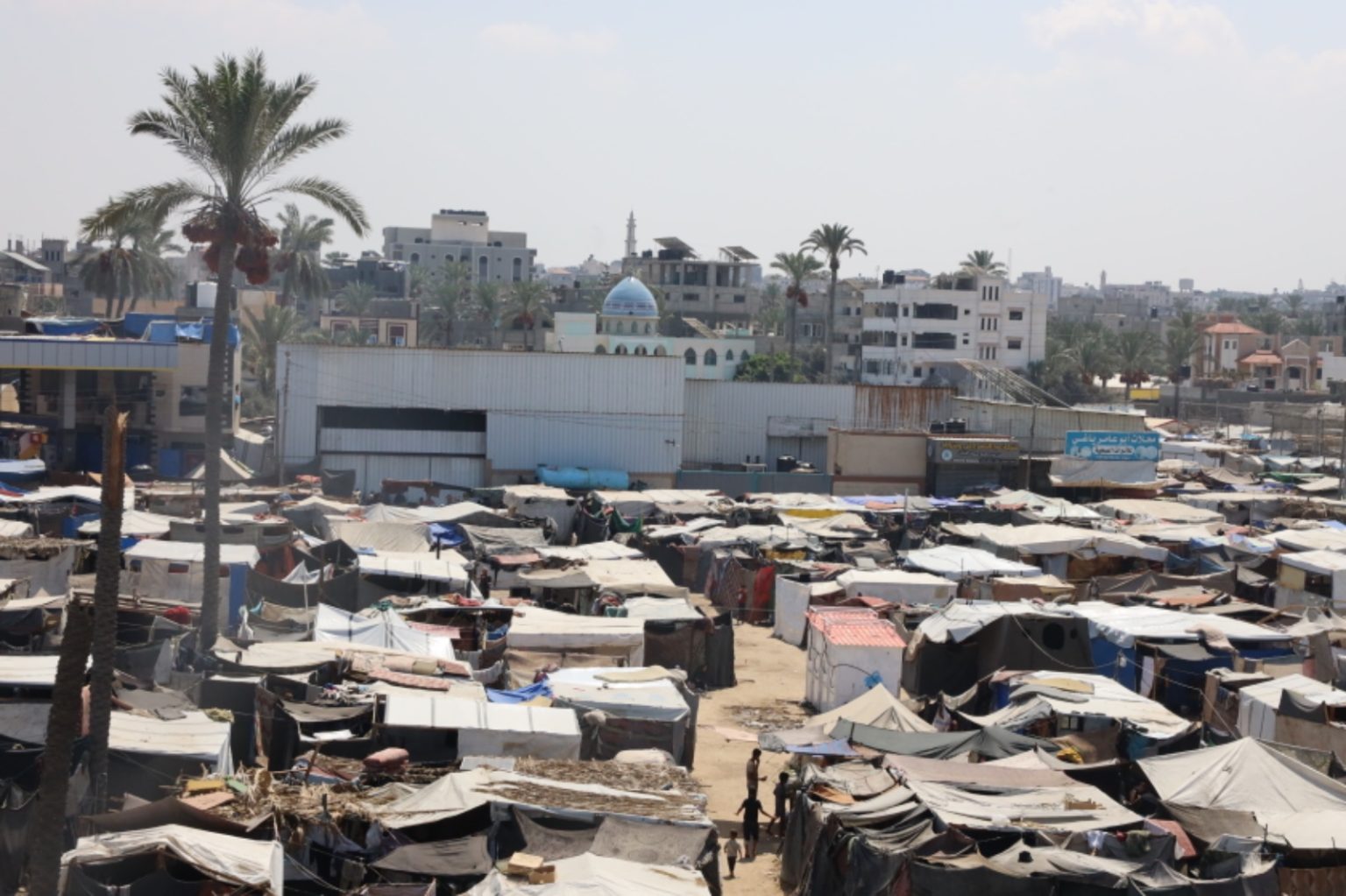
The report said the Israeli army controls about 70% of Gaza’s territory, beyond the areas specified under the ceasefire agreement. This has left around two million Palestinians confined to the remaining areas, with most living in tents that lack basic necessities.
These conditions have deepened the suffering of displaced families, as basic services continue to decline and safe living and health conditions remain difficult to secure.
The health crisis is also worsening because of shortages of medical supplies and restrictions on their entry. This has limited the ability of health facilities to meet people’s needs, while poor living conditions raise fears of the spread of skin diseases and other infectious illnesses.
Despite the ceasefire, Gaza continues to face severe humanitarian and health challenges amid slow reconstruction, ongoing Israeli control over wide areas and the collapse of basic services. The report said these conditions are making the return to normal life increasingly difficult for Gaza’s population.