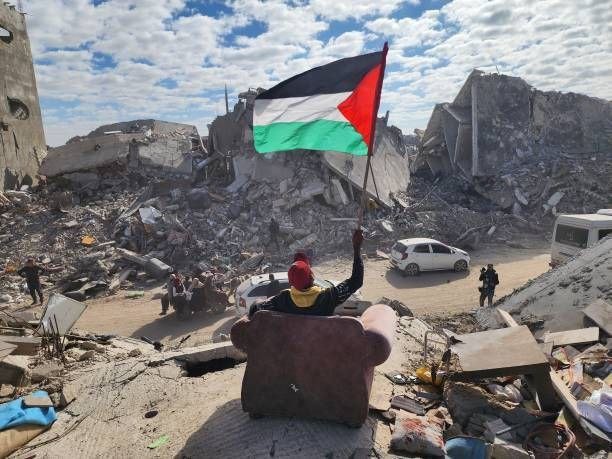
GAZA, (Palestine Foundation Information Center), Palestinian national forces on Sunday called for broad national dialogue and greater political unity, saying the Palestinian cause is facing one of the most dangerous periods in its history amid the ongoing war in Gaza and escalating Israeli actions in the occupied West Bank and Jerusalem.
In a joint statement, the factions stressed that the current circumstances require strengthening national unity and ensuring genuine political partnership in decision-making, allowing all components of the Palestinian people to participate in shaping the future of the national cause and defending Palestinian rights.
The groups said that efforts to rebuild and reform Palestinian institutions, including a draft temporary constitution, a political parties law, and a new electoral system for the Palestinian National Council, must be based on comprehensive national consensus and inclusive dialogue to preserve institutional legitimacy and reinforce Palestinian unity.
They also warned against attempts to reshape the Palestinian political system in response to external pressure, arguing that rebuilding national institutions, including through elections, should be founded on broad participation and consensus among all Palestinian factions.
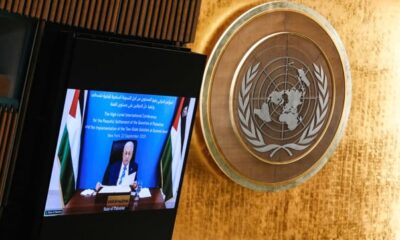
The statement called on Palestinian President Mahmoud Abbas to urgently convene a meeting of the secretaries-general of all Palestinian factions to launch a comprehensive national dialogue aimed at establishing a unified political partnership and developing a common national strategy to address current challenges.
Among the priorities outlined were reaching an agreement on holding comprehensive Palestinian elections, including elections for the Palestinian National Council, to ensure broader representation and strengthen the legitimacy of the Palestine Liberation Organization (PLO).
The factions also pointed to the temporary unified leadership framework agreed upon in previous Palestinian reconciliation agreements, most recently the Beijing Agreement, as an appropriate transitional reference body to help lead the current phase and strengthen national partnership.
The statement emphasized that national dialogue should reject exclusion and unilateral decision-making, uphold political pluralism, and unite Palestinians around a common national program to confront Israeli policies while preserving core national principles, including the right of return, self-determination, and the establishment of an independent, fully sovereign Palestinian state with Jerusalem as its capital.
Concluding the statement, the factions said the scale of the challenges facing the Palestinian cause, including displacement, annexation, and ethnic cleansing policies, requires prioritizing national interests, strengthening unity, and rebuilding Palestinian institutions through democratic elections and broad political participation.